DICHOTOMIES
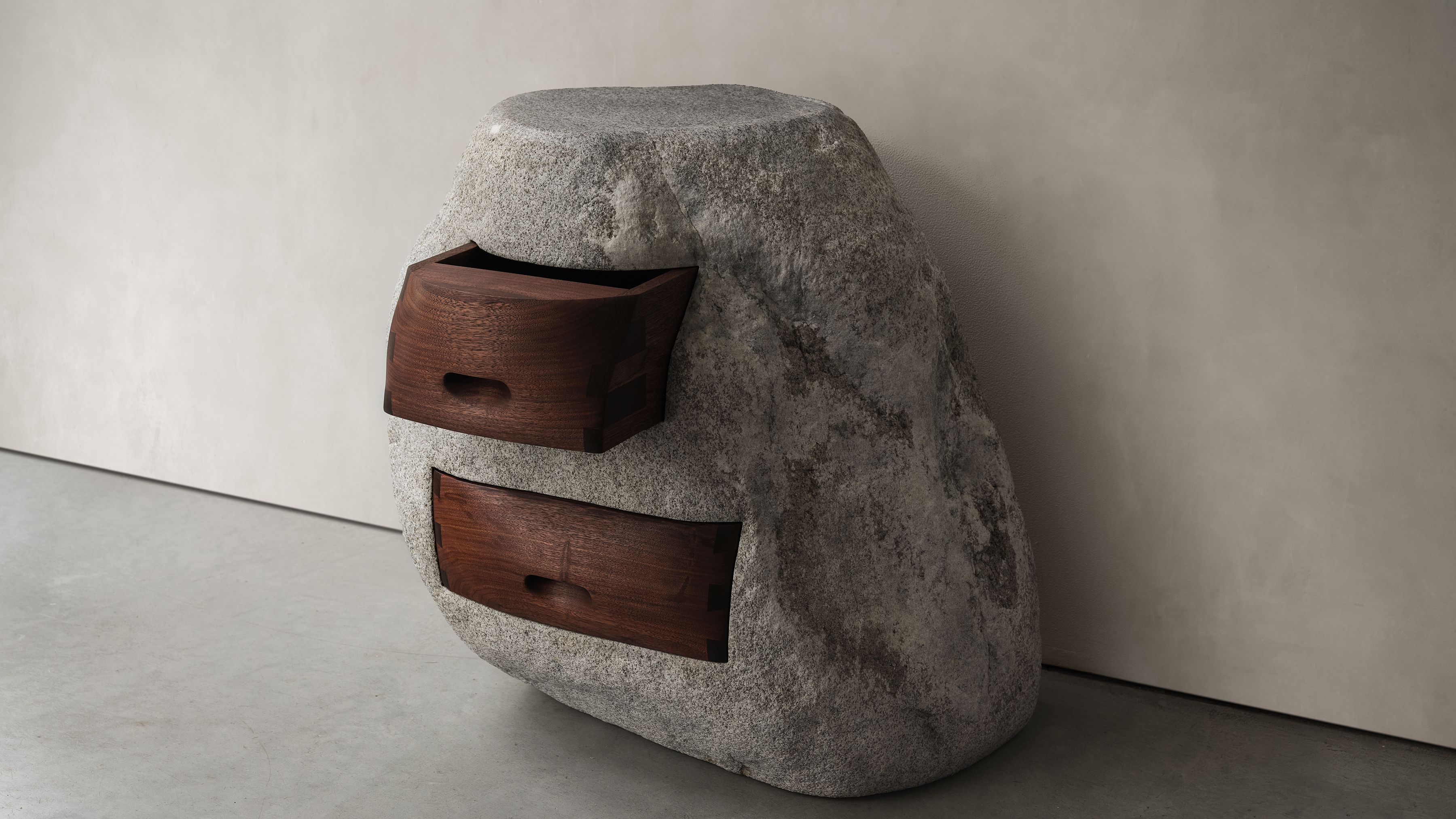
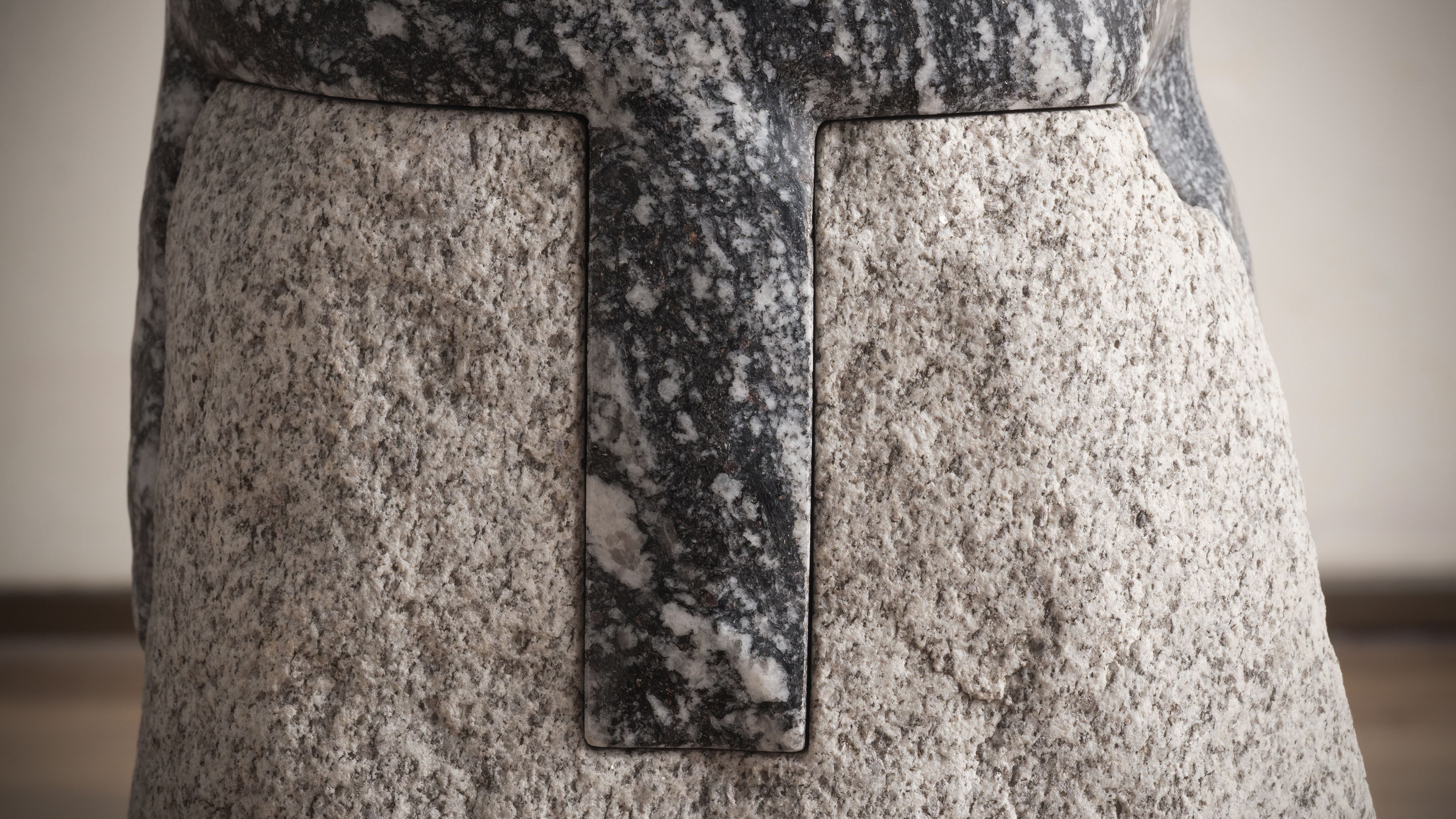
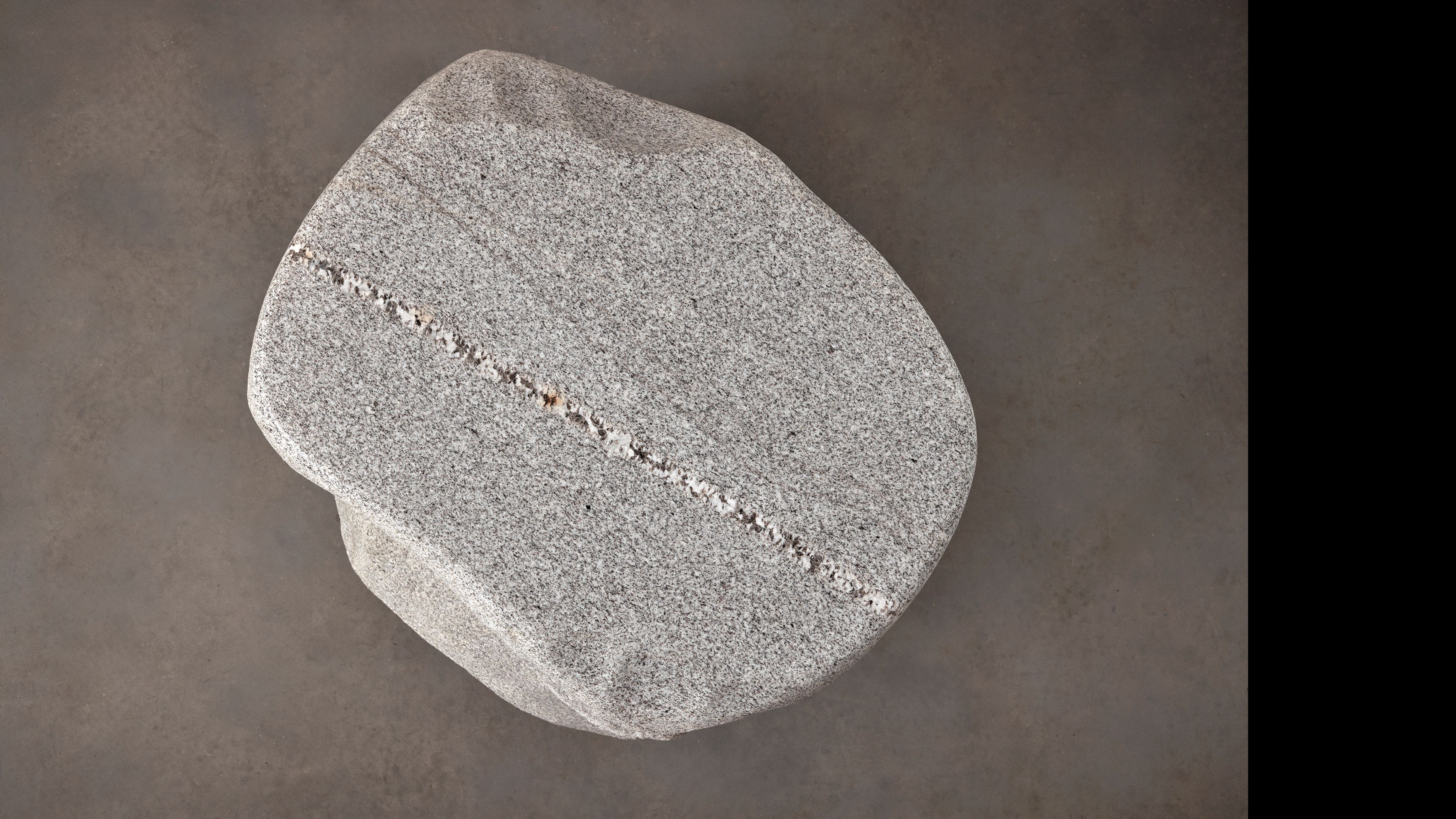
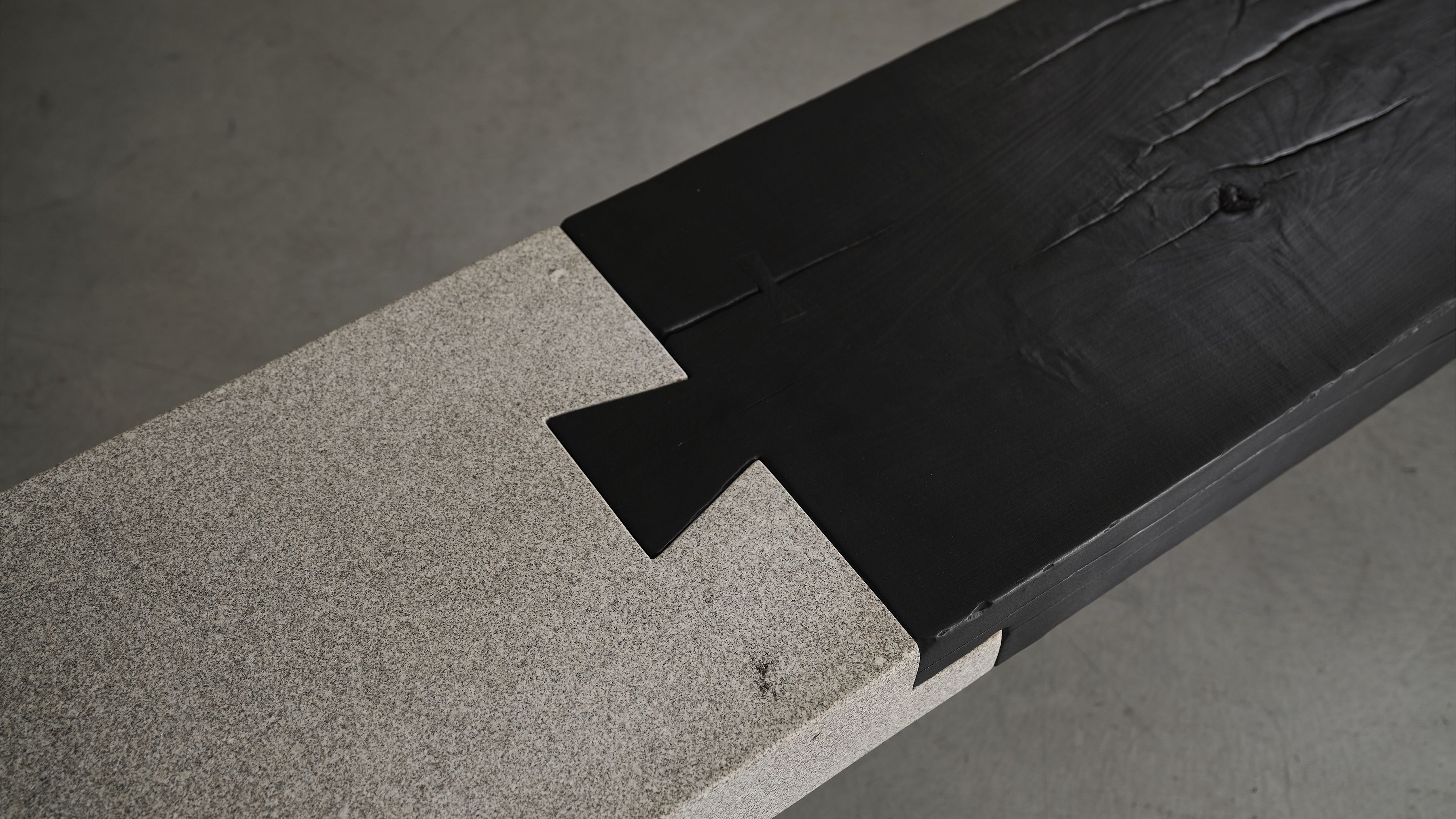
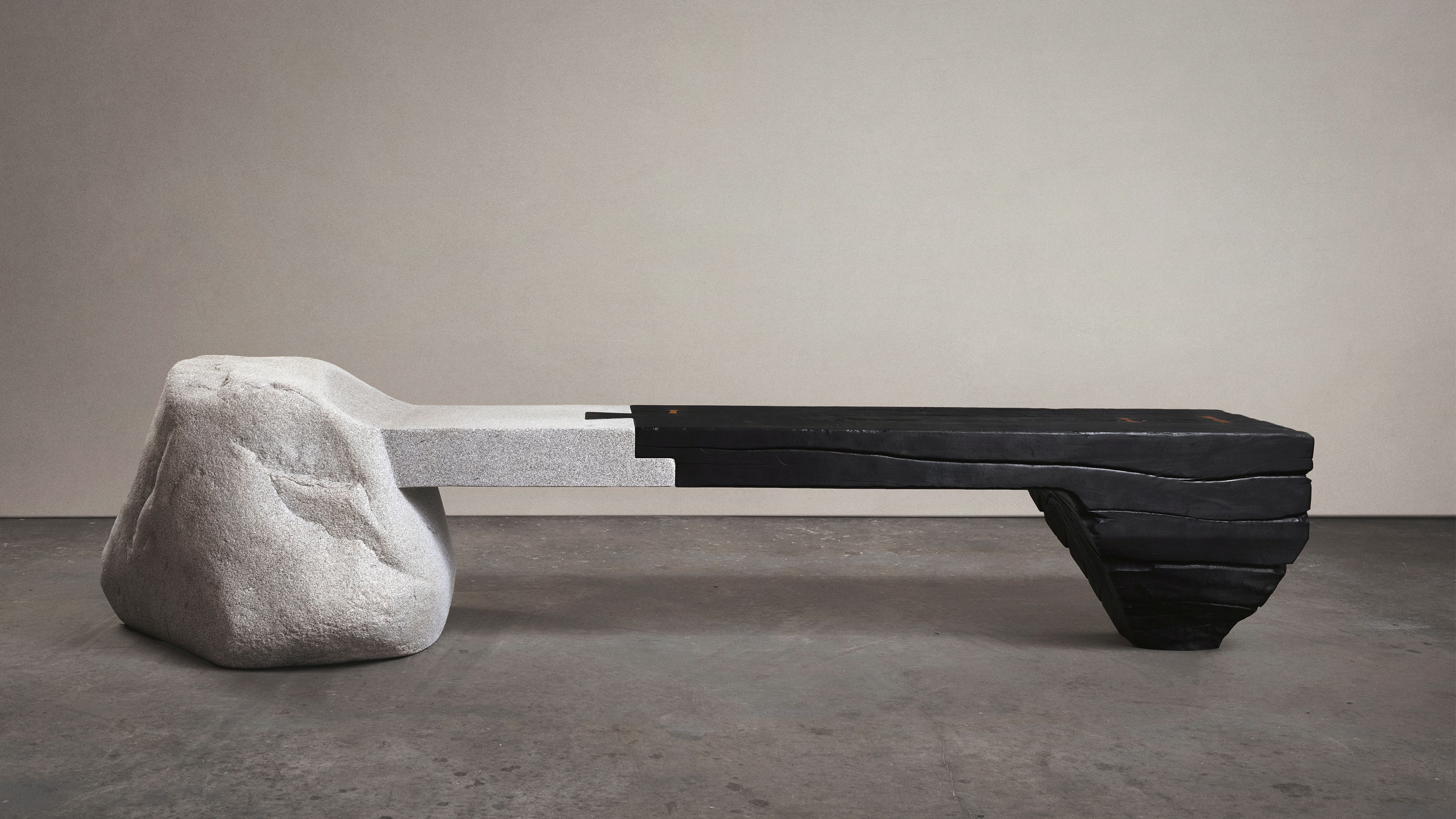
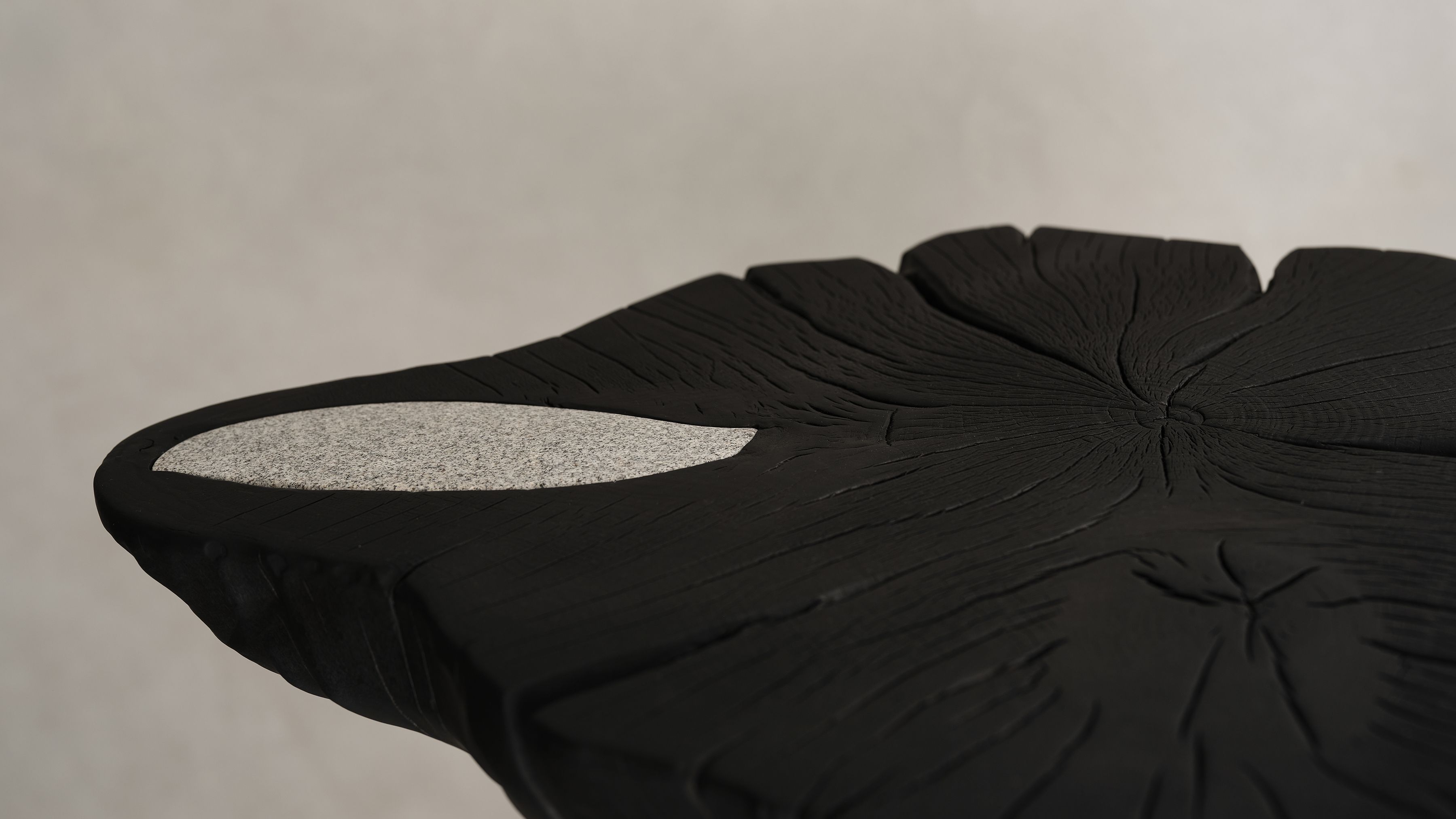
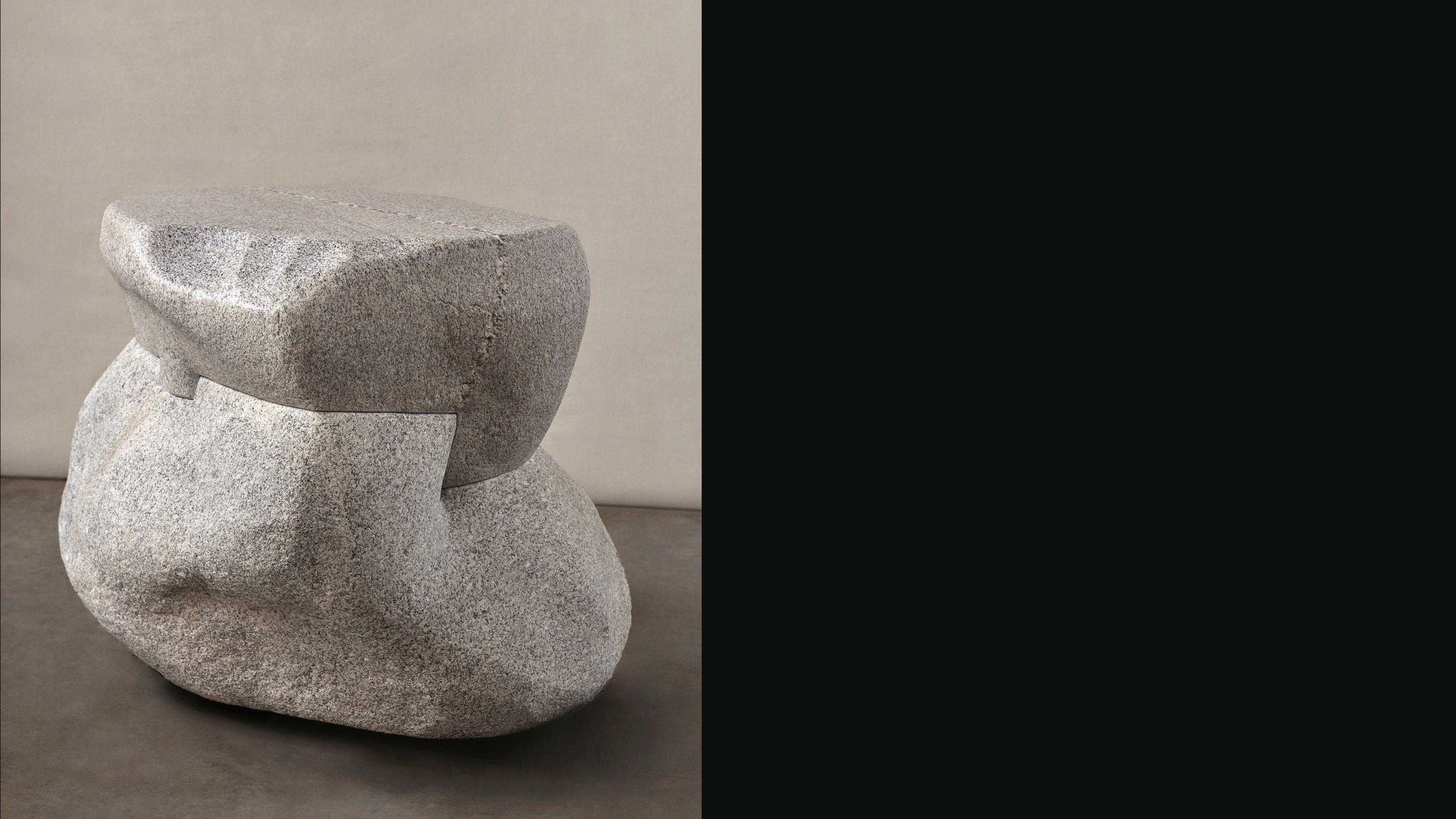
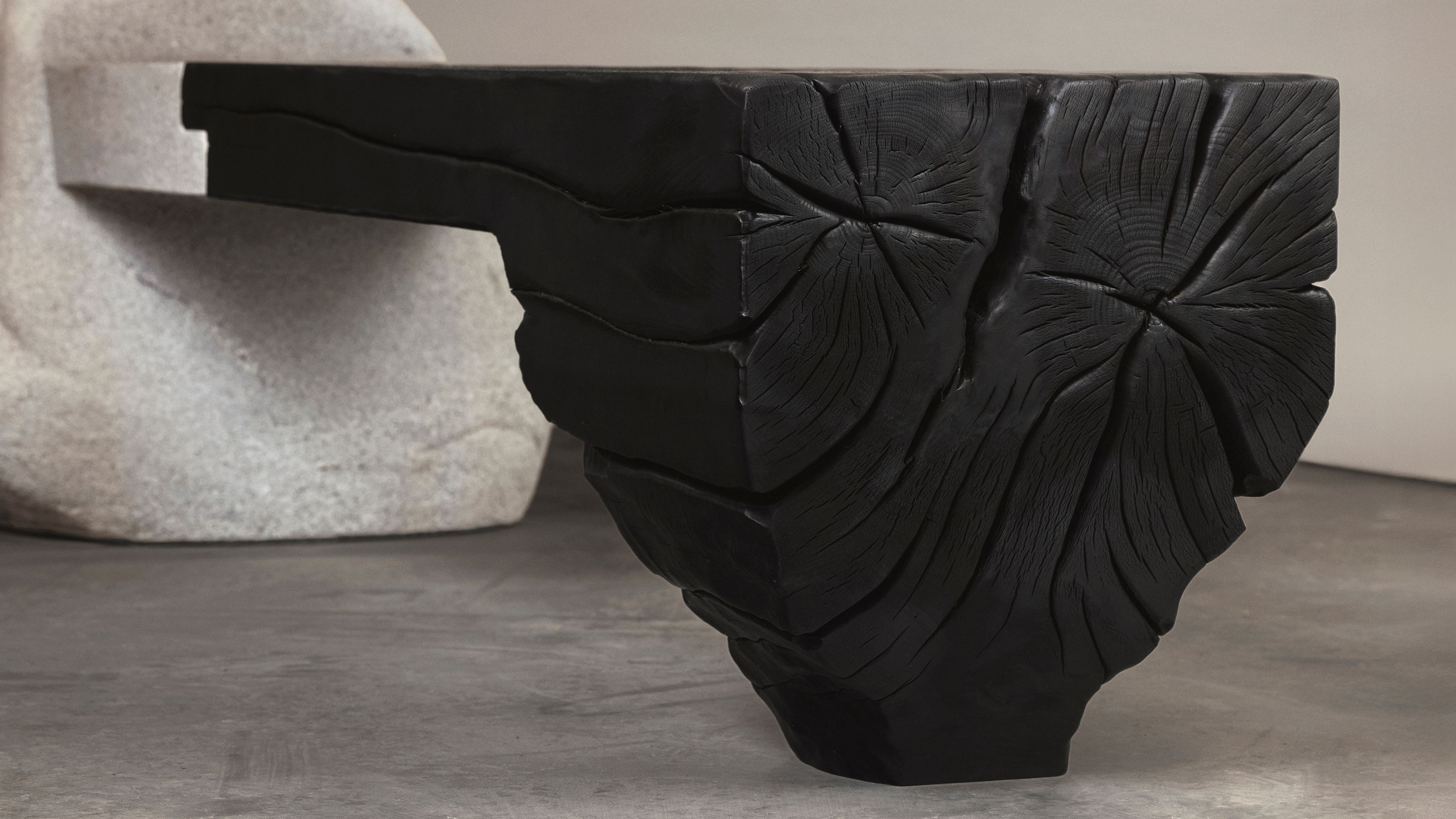
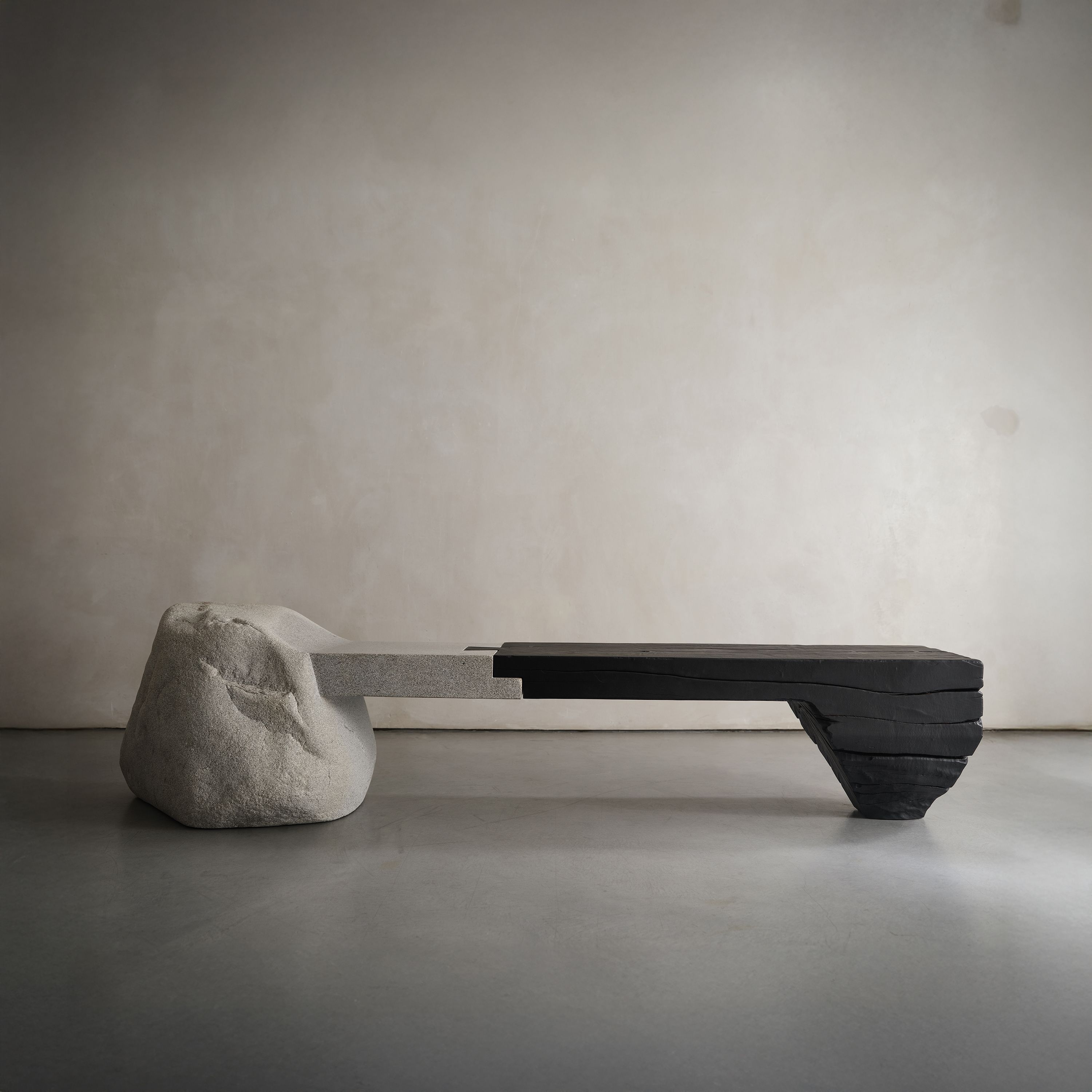
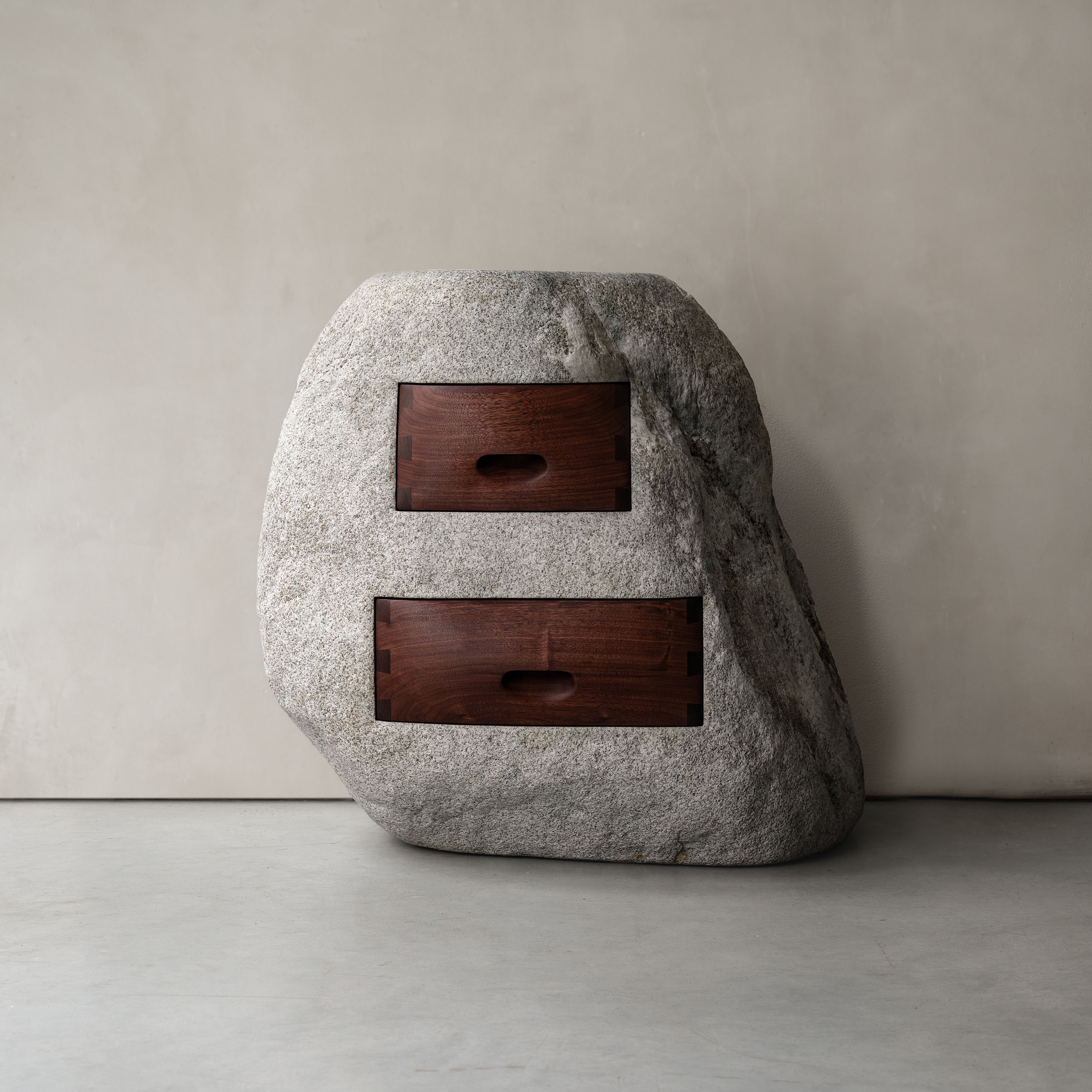
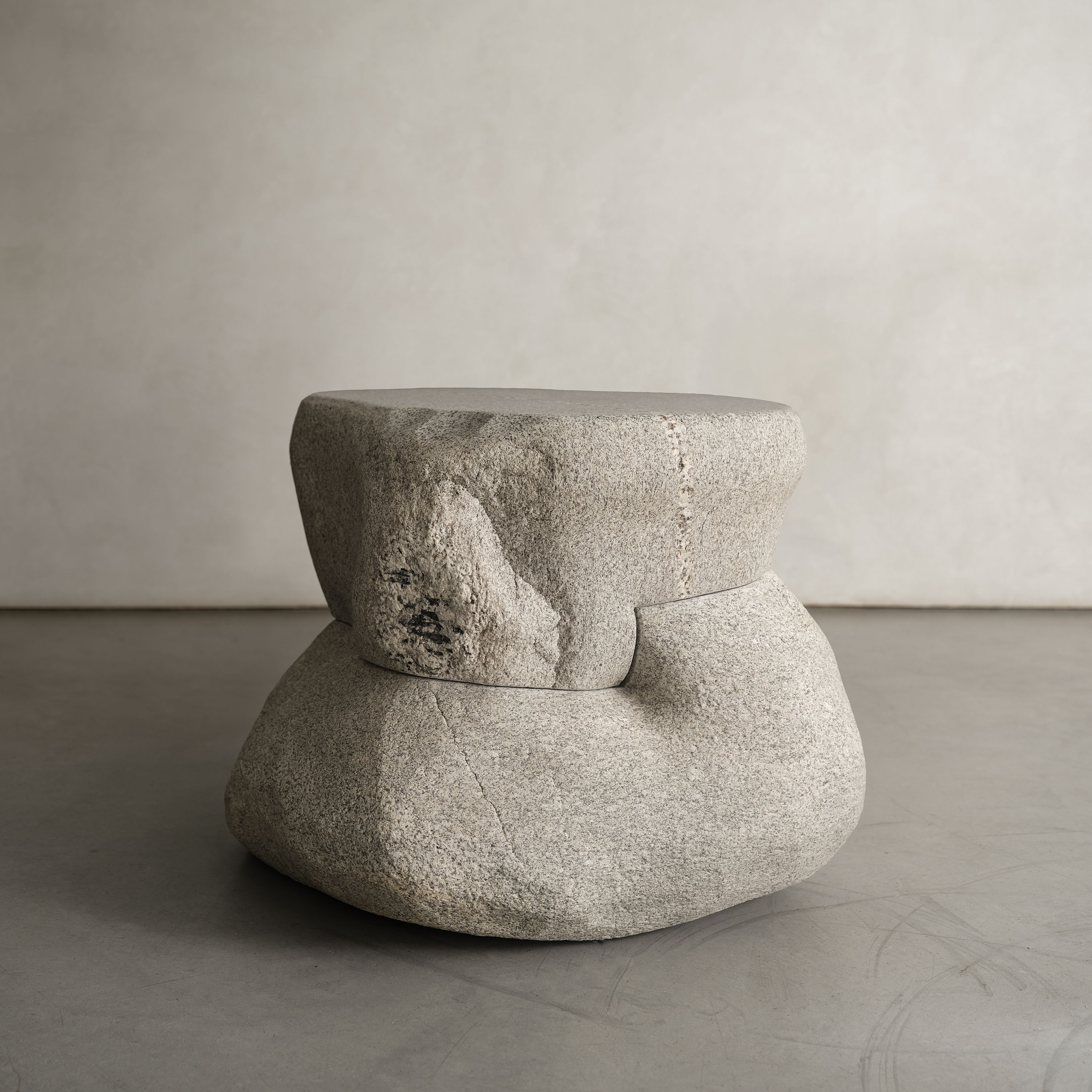
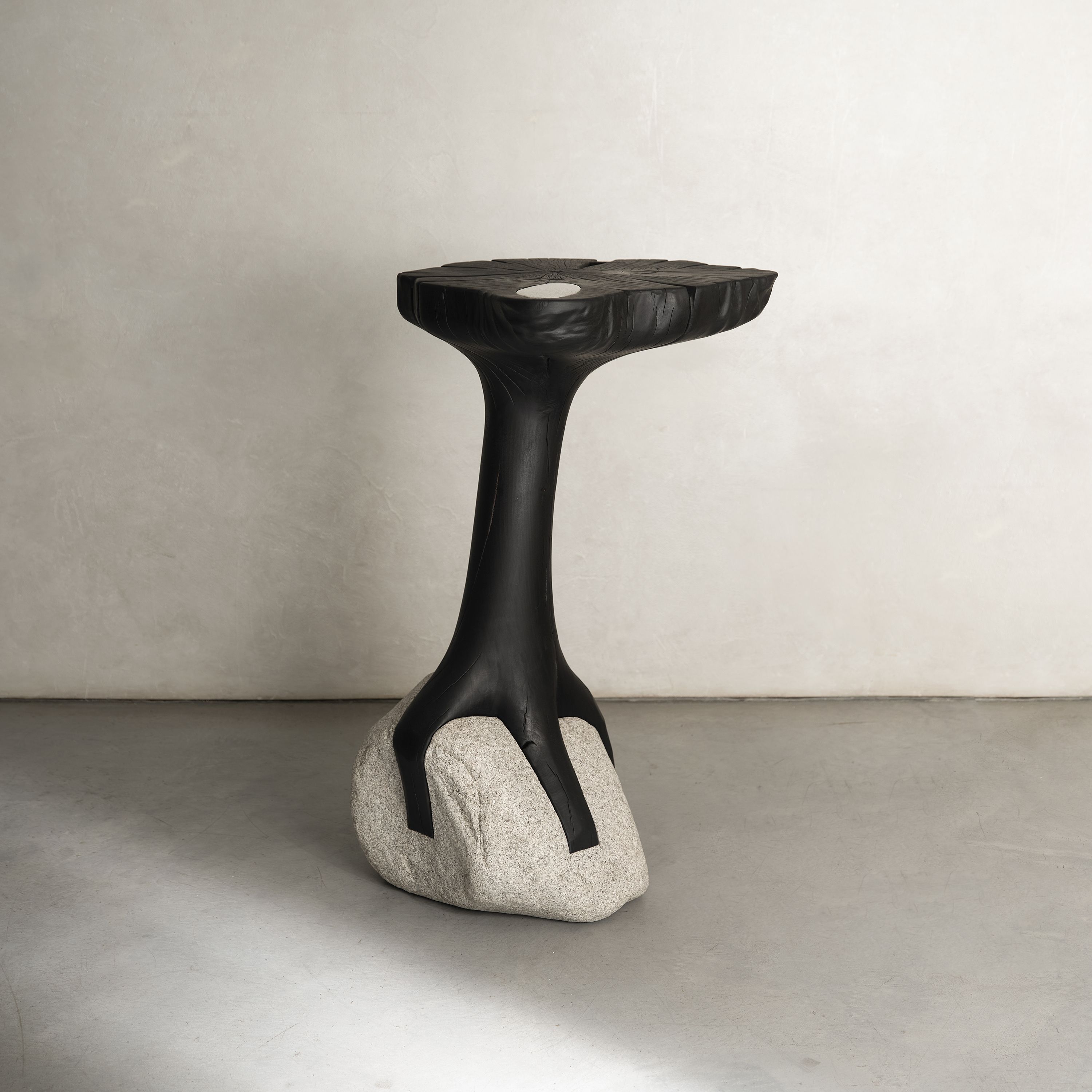
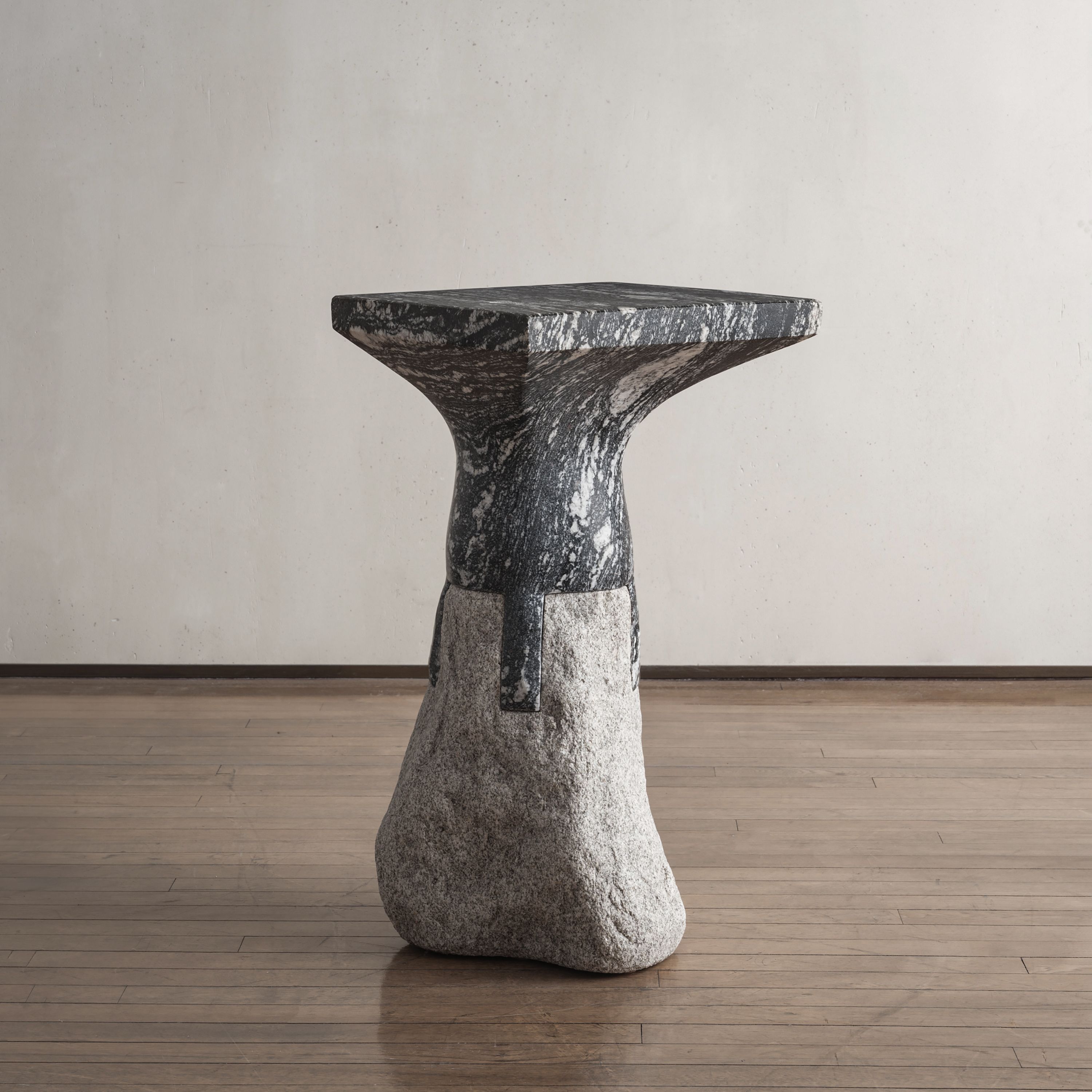
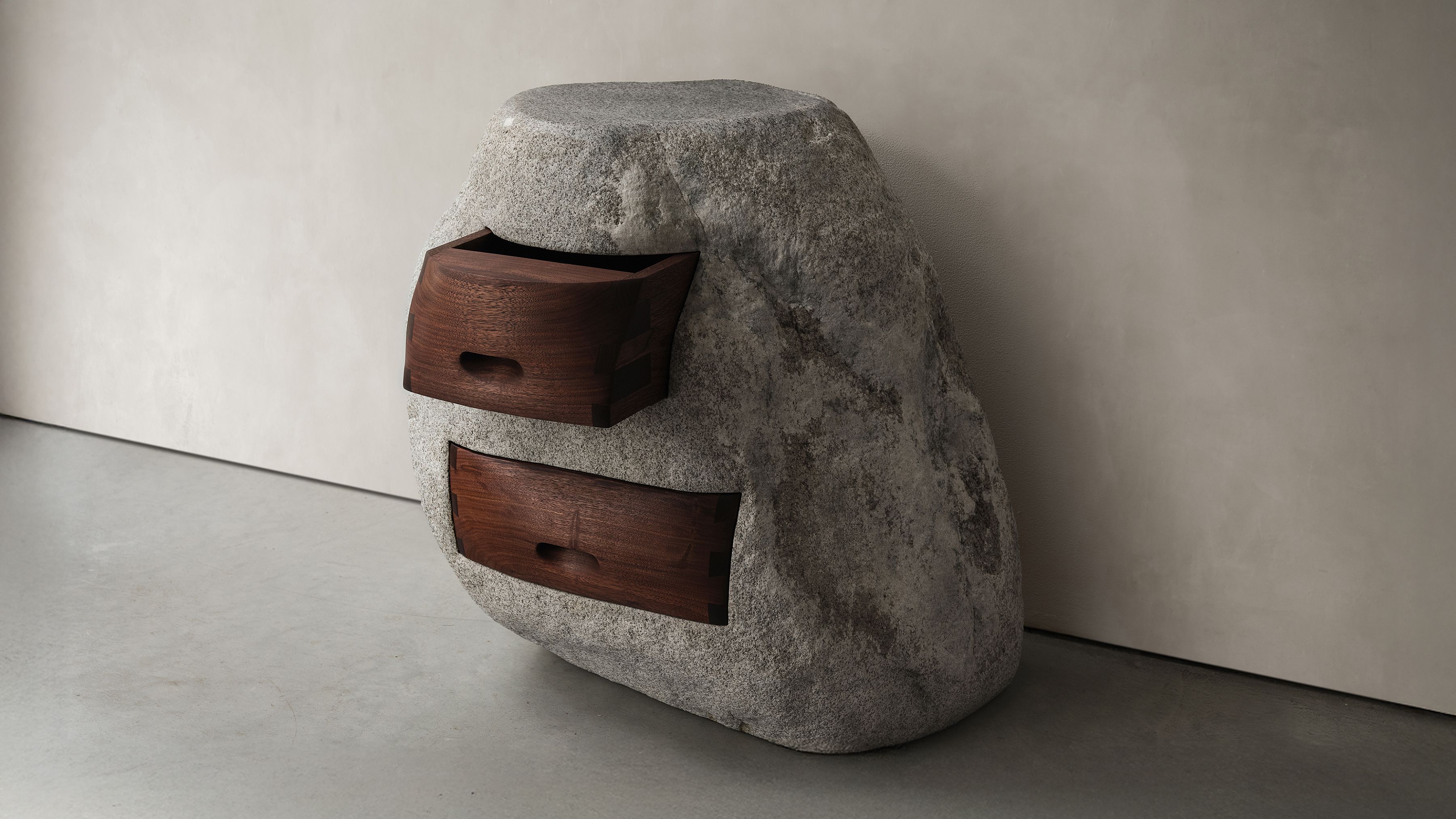
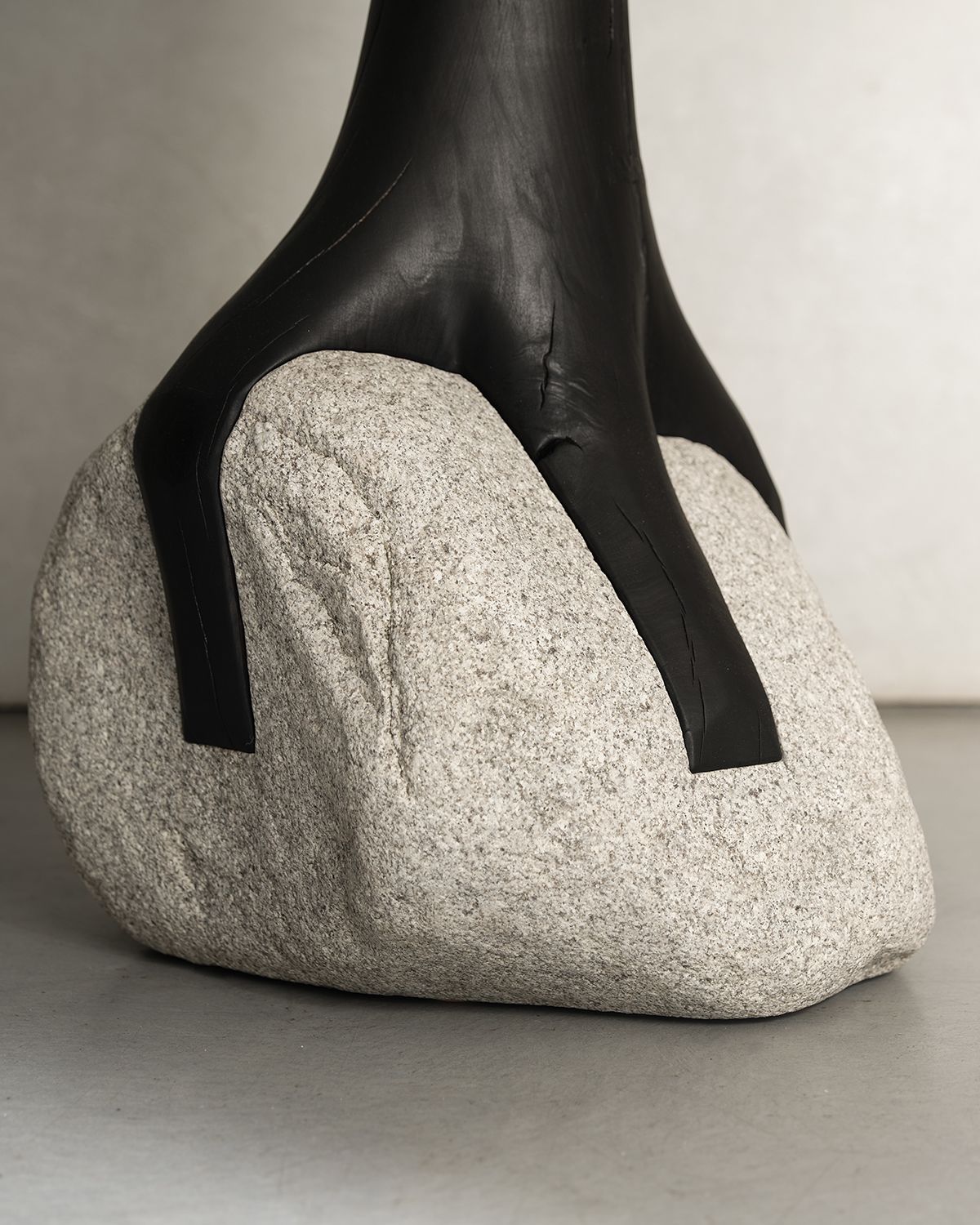
Ateliers Courbet is pleased to announce DICHOTOMIES, an exhibition unveiling new works by master stone carver and woodworker Ethan Stebbins — on view at Ateliers Courbet’s Chelsea gallery from May 12 through July 31, 2026. Marking the seven-year anniversary of our collaboration with Ethan and his second solo exhibition with the gallery, DICHOTOMIES features a series of new sculptural works representing an evolution in Stebbins’ material practice and his sustained investigation of the symbolic notion and technical challenge of interlocked elements. The exhibition introduces charred timber as a new element in the artist’s iconic wood-granite mediums, yielding works of heightened contrast that give the series its title.
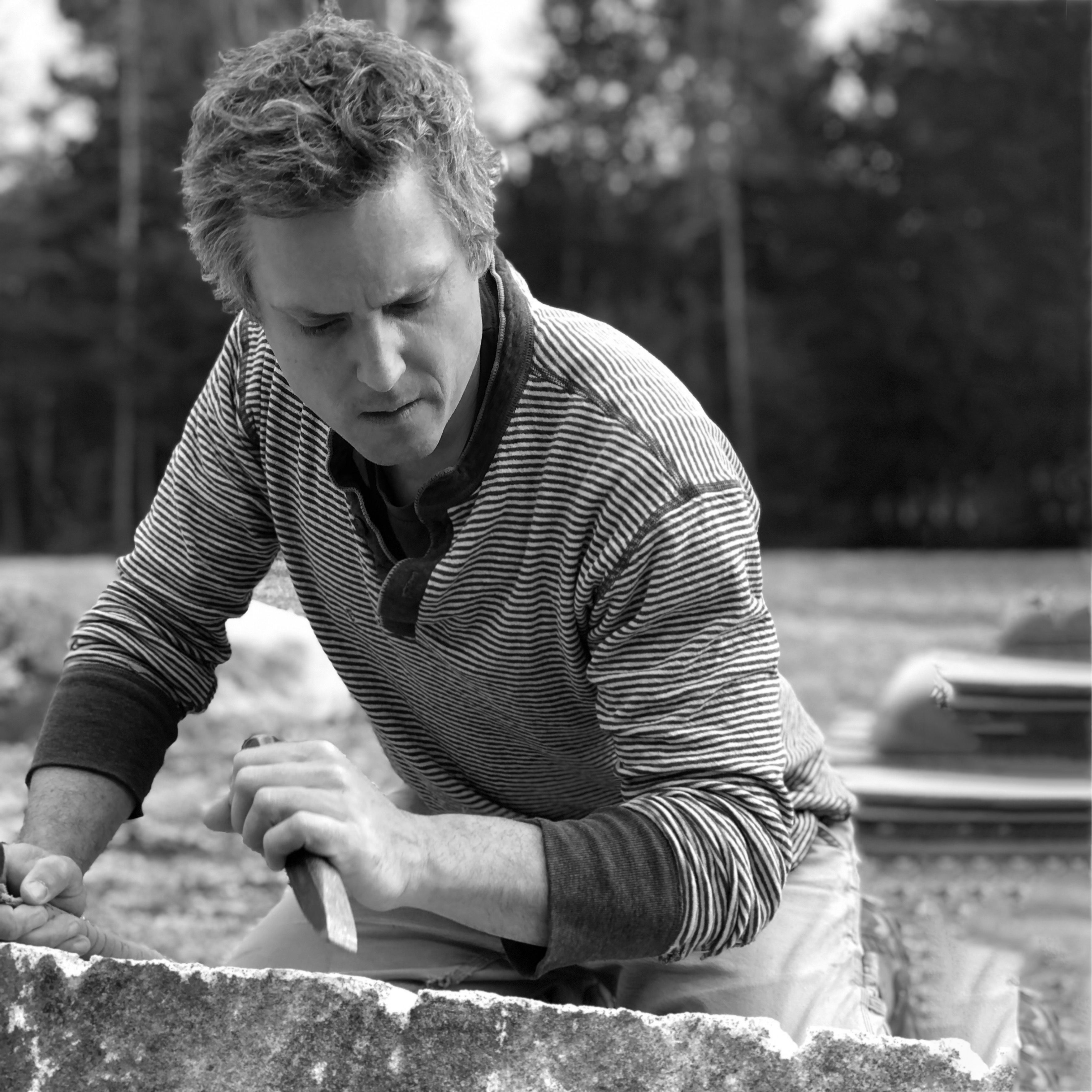
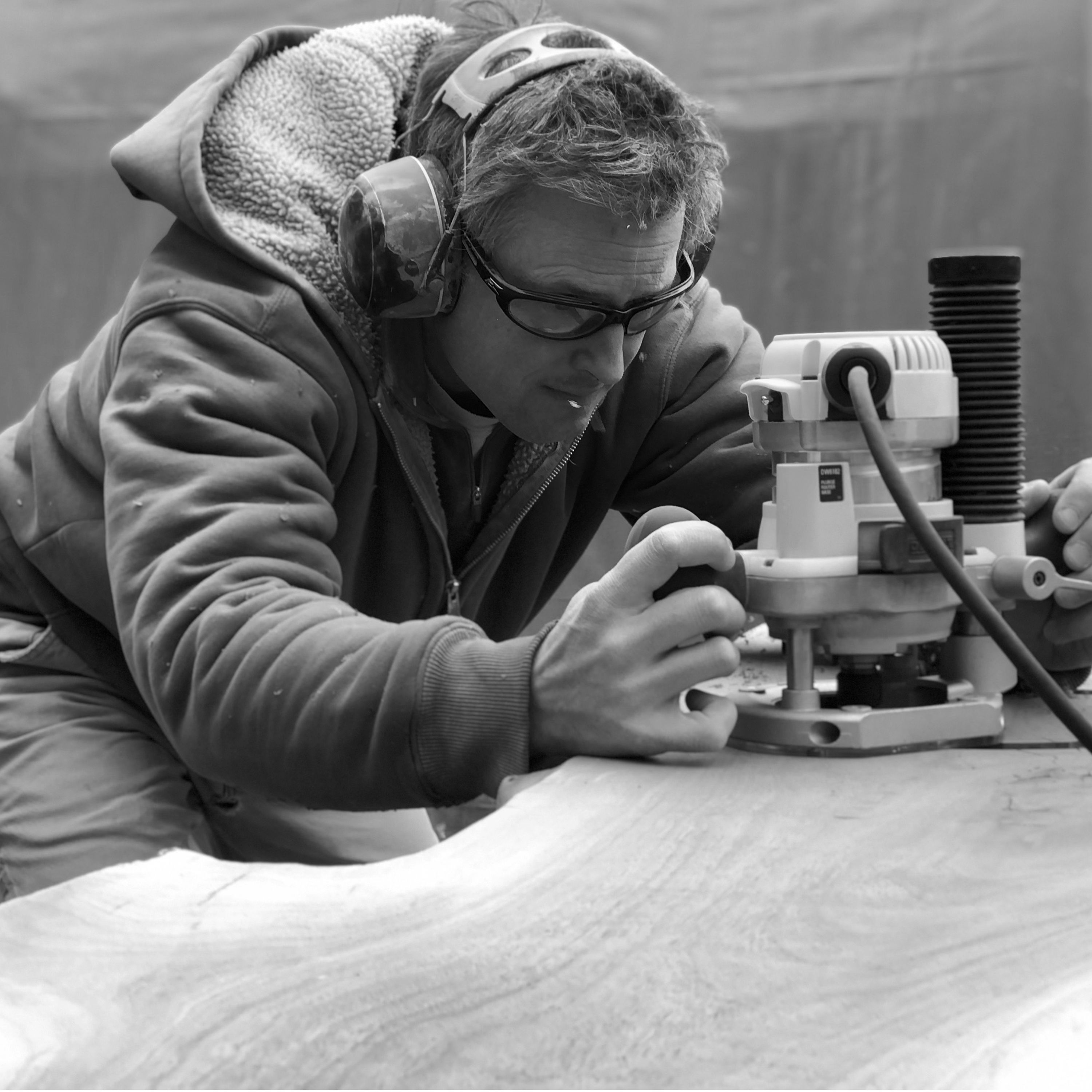
Born and raised in coastal Maine, where he continues to live and work, Stebbins is a master stone carver and woodworker whose practice is rooted in poetry, which he finds and expresses both through words and sculpture. He discovered his craft while training as a stonemason in 1997, building dry stone walls with local fieldstone, before pursuing apprenticeships under master gardener Masahiko Seko and American master craftsman Chris Tanguay. Before turning to stone, Stebbins devoted much of his early adulthood to poetry, a discipline whose influence persists in the precision and intentionality with which he approaches material. His work is guided by the ethos of Japanese-American furniture maker George Nakashima, “The purpose is usefulness, but with a lyric quality,” and by the Wabi-Sabi philosophy of Japanese design. Place and geology are central to his process: much of his time is spent in his remote outdoor studio, in quarries and along the rocky Maine coast, searching for stones whose individual character will inform the final piece.
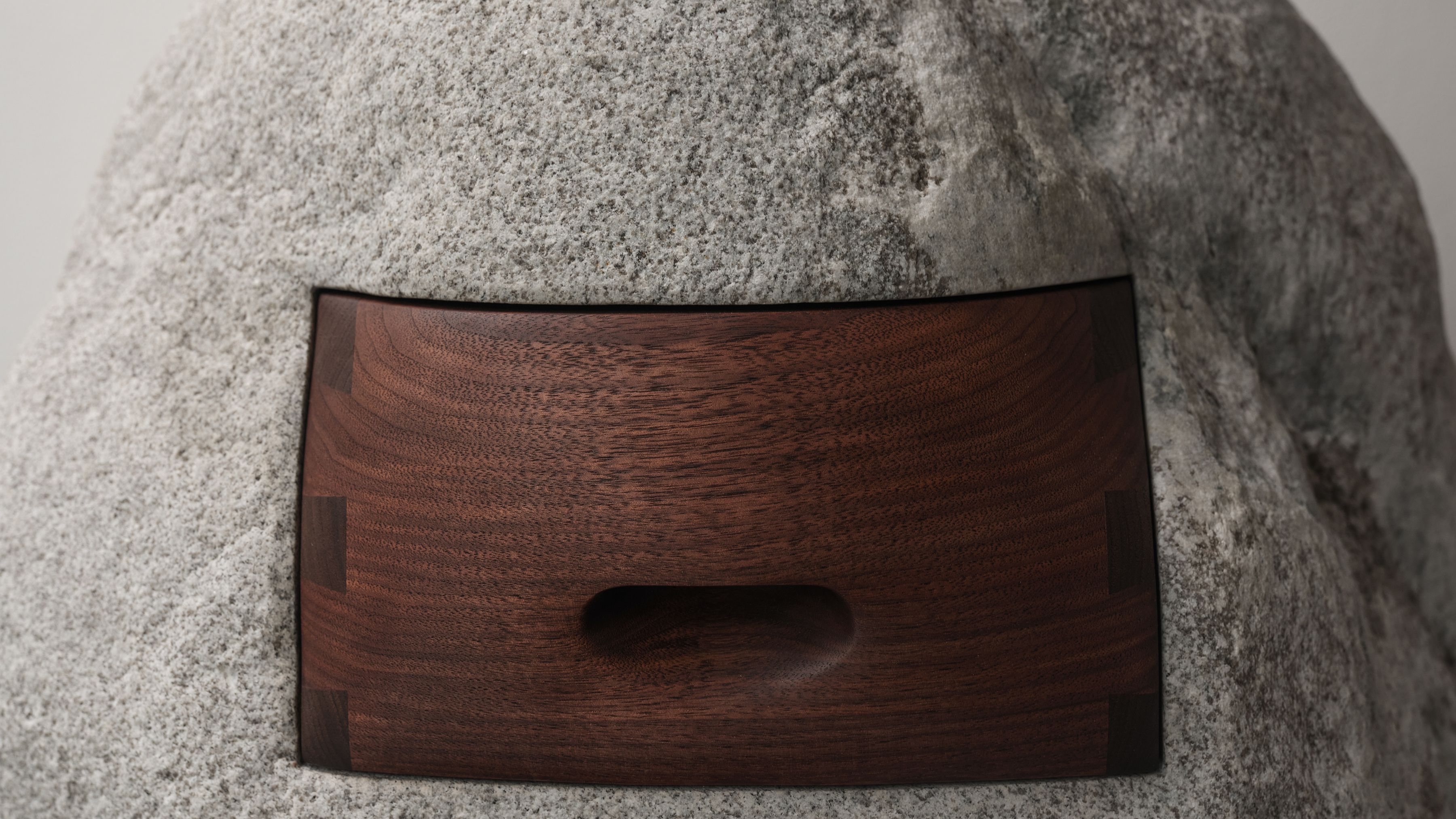
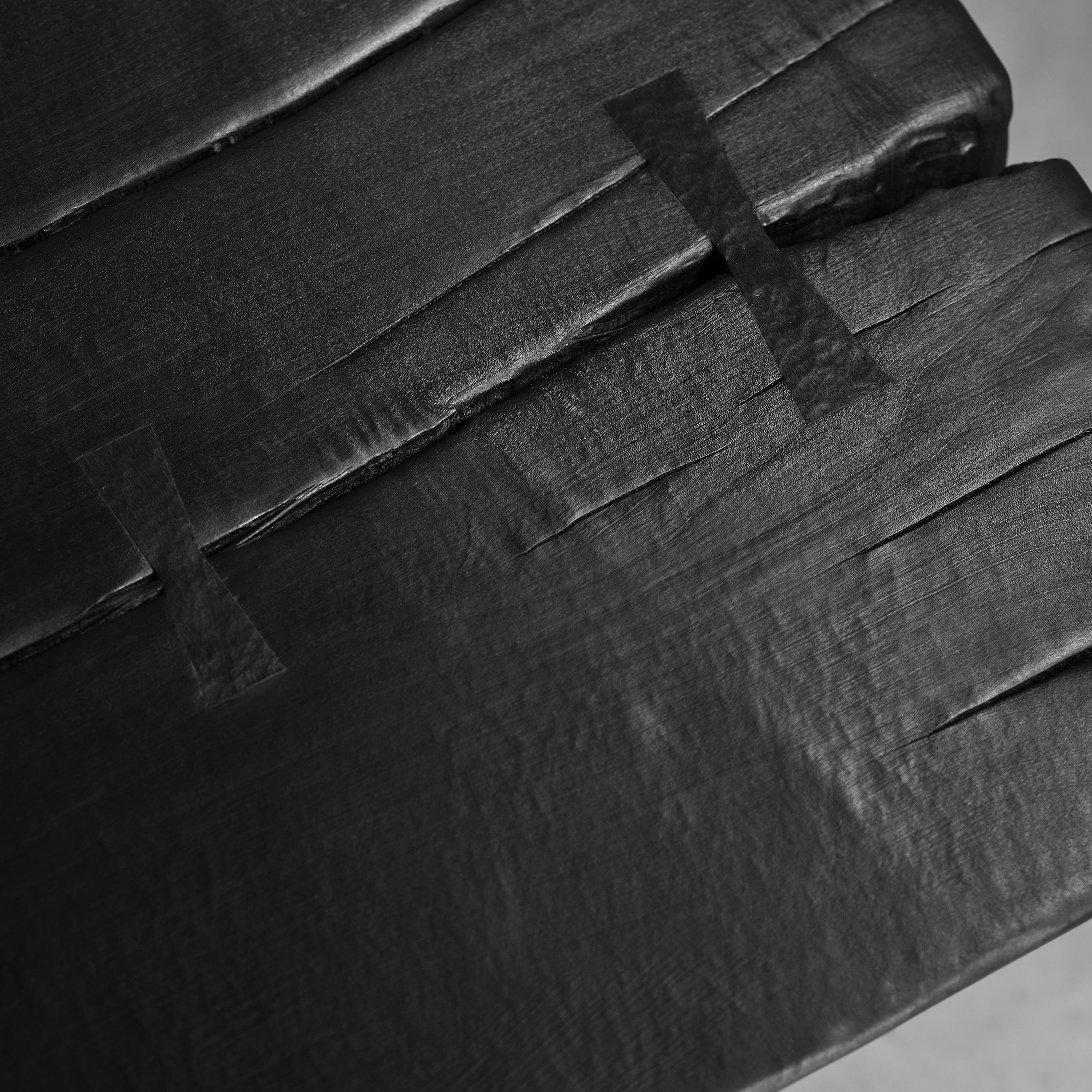
Where Stebbins’ earlier body of work paired the warm grain of black walnut and live-edge wood with the unworked surface of Maine granite, the works in DICHOTOMIES introduce charred timber. The contrast between carbonized organic matter and the geological permanence of stone gives the exhibition its animating tension. The rough surface of the boulder, the carbonized timber, and the geometry of the joinery are never smoothed over or concealed, each piece carrying the full evidence of how it was crafted.