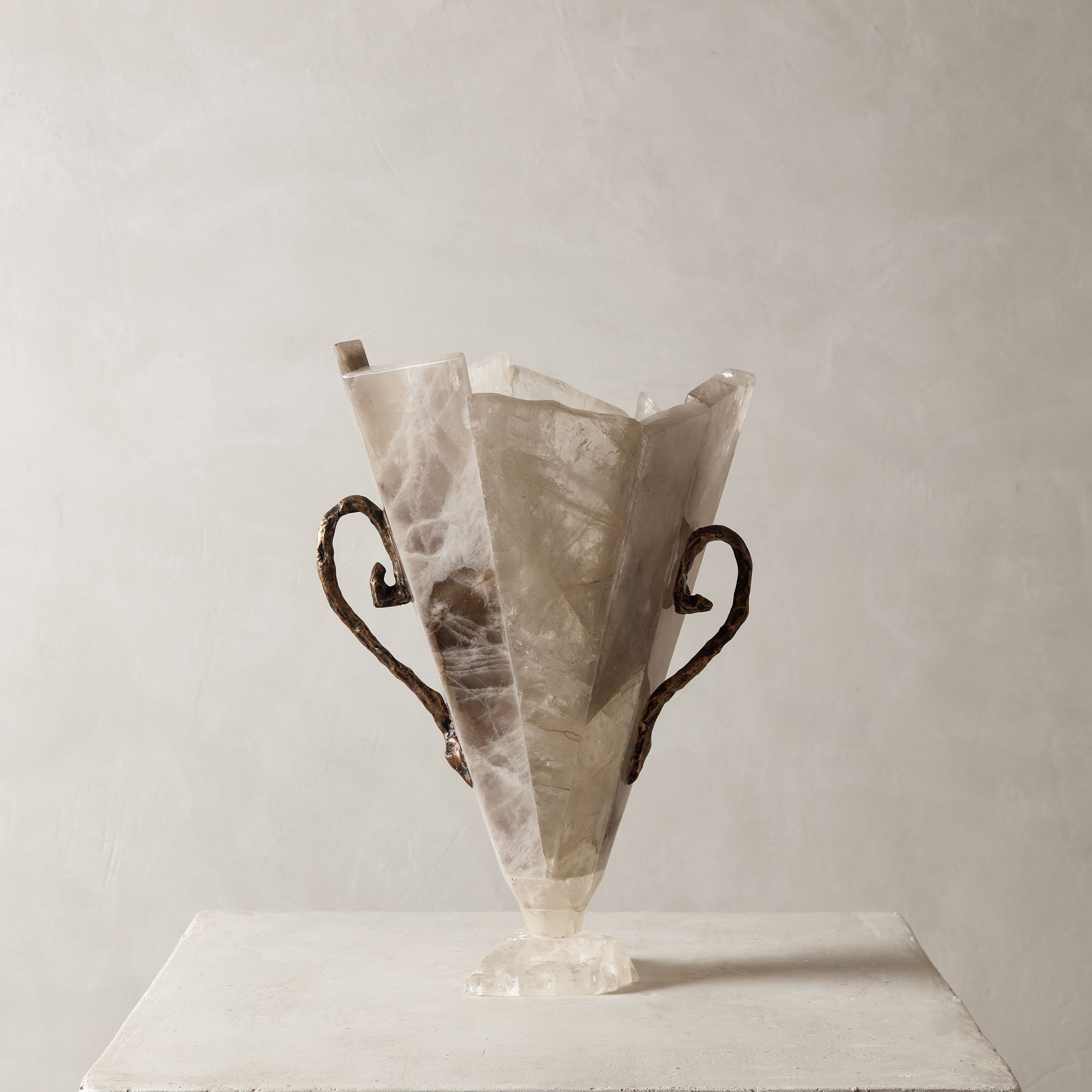
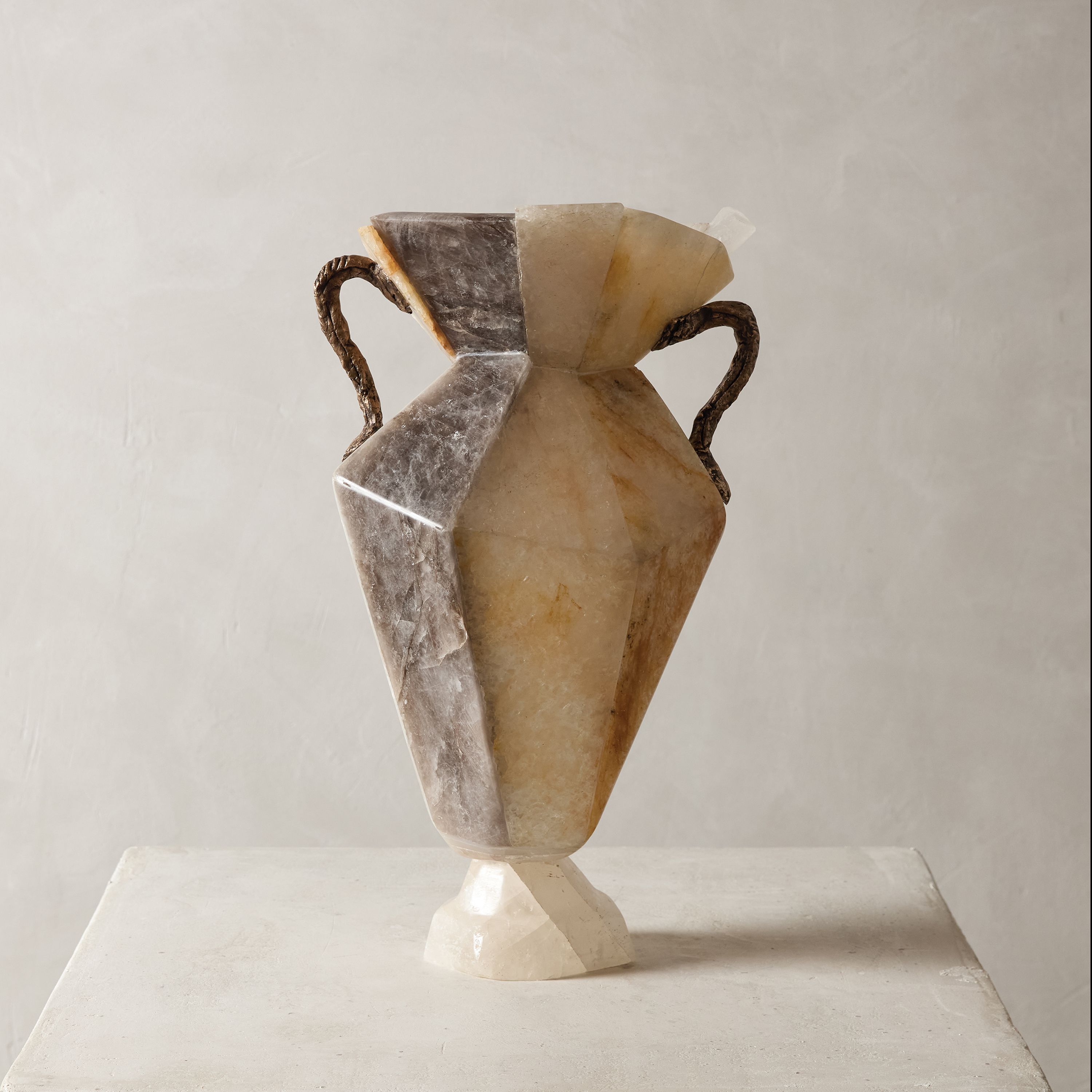
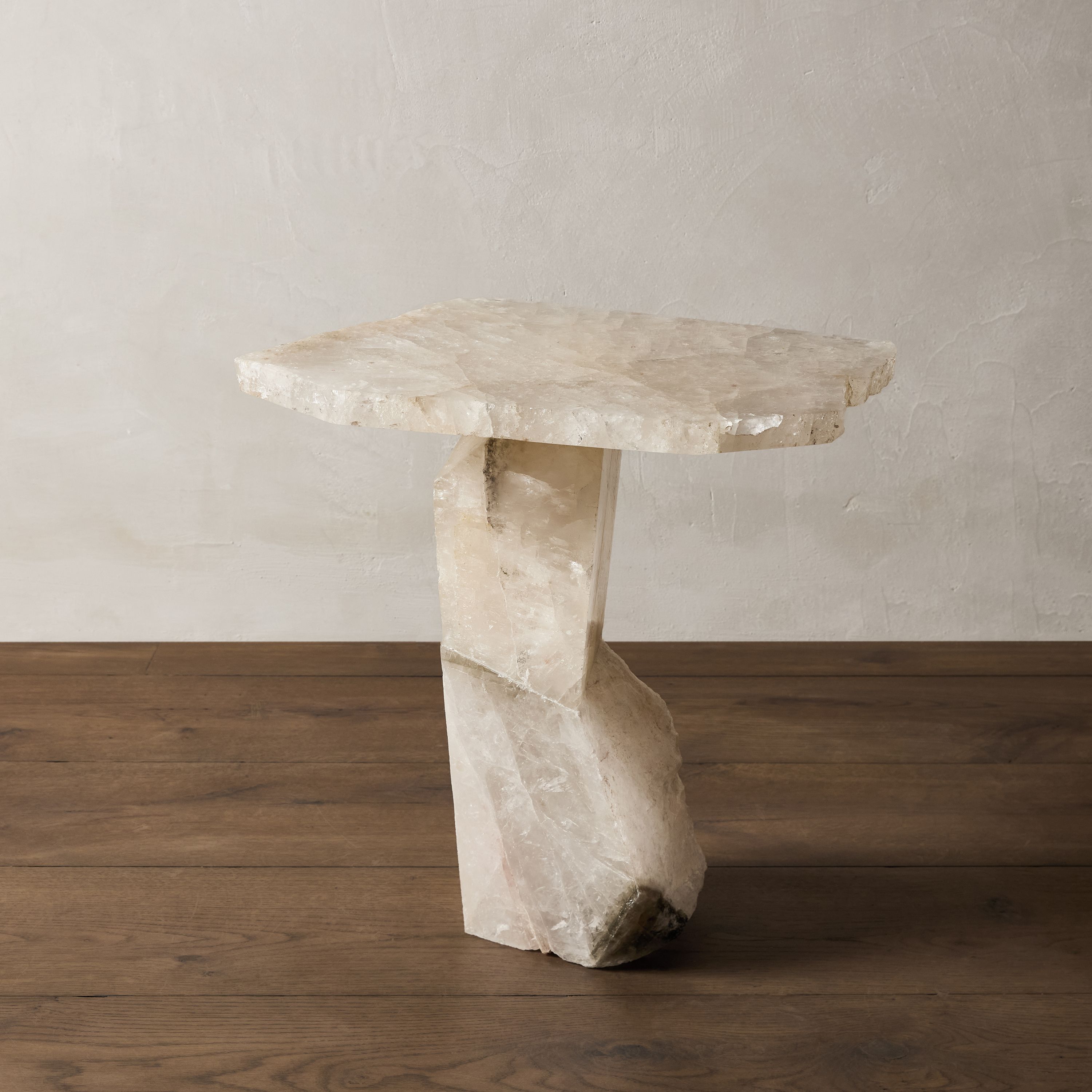
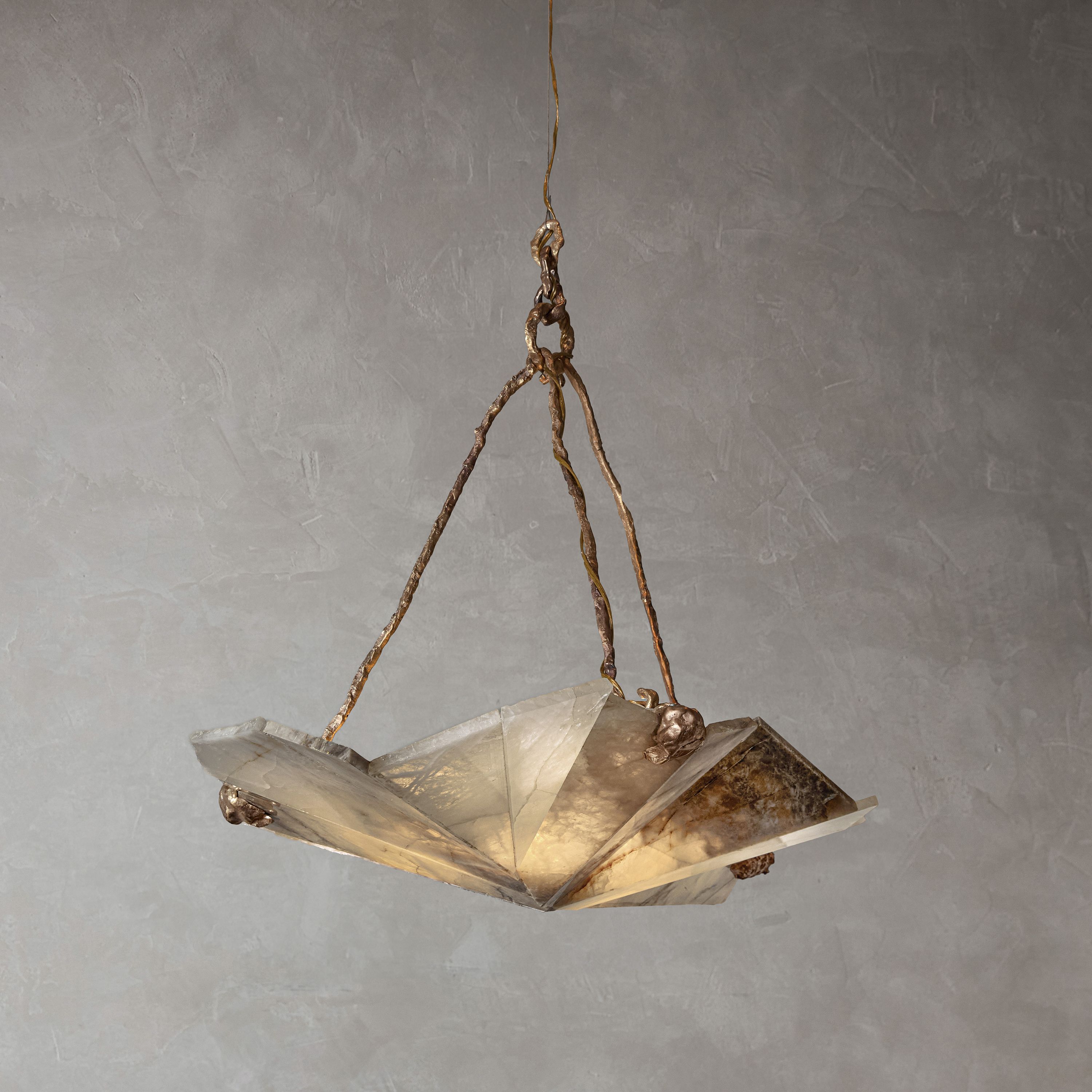
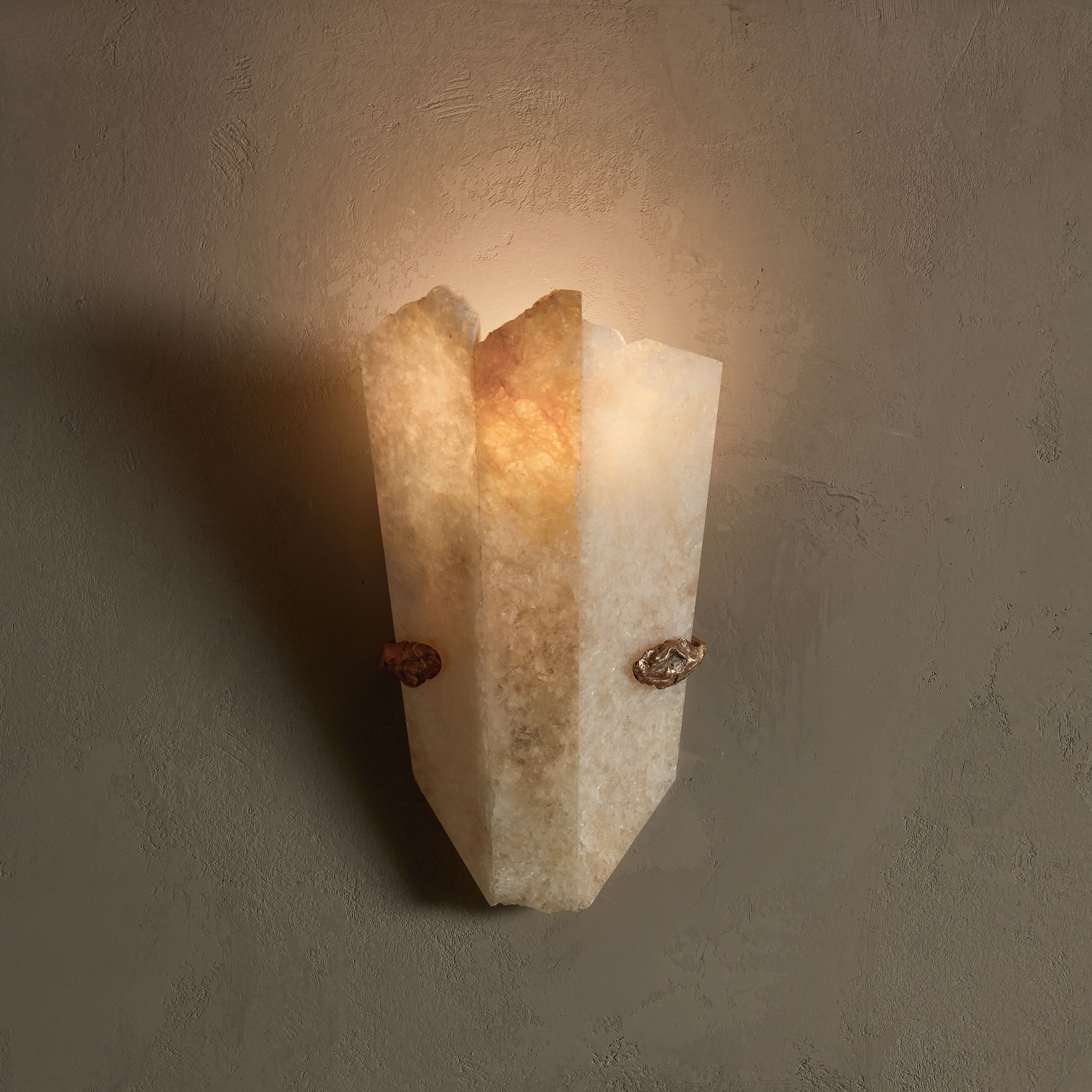
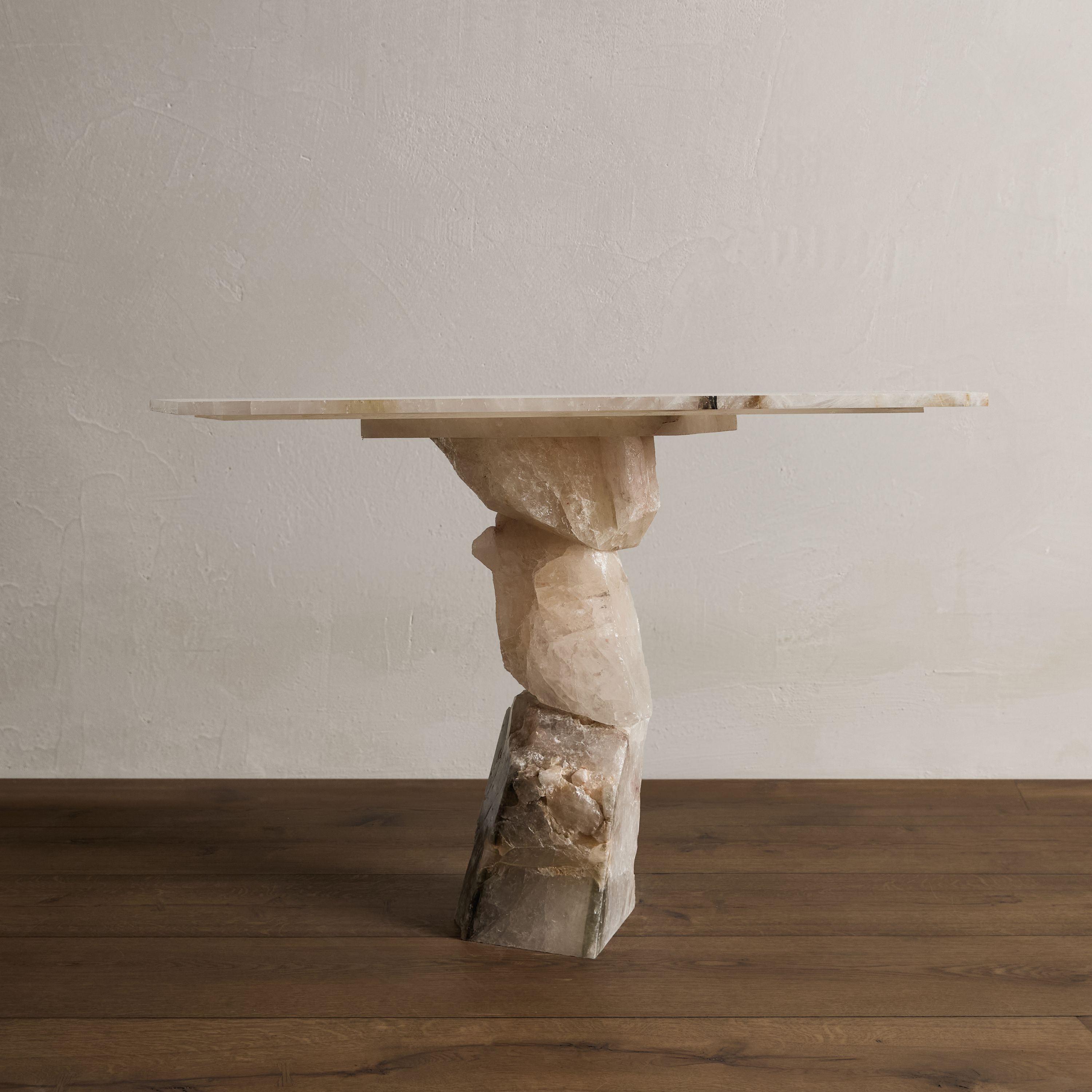
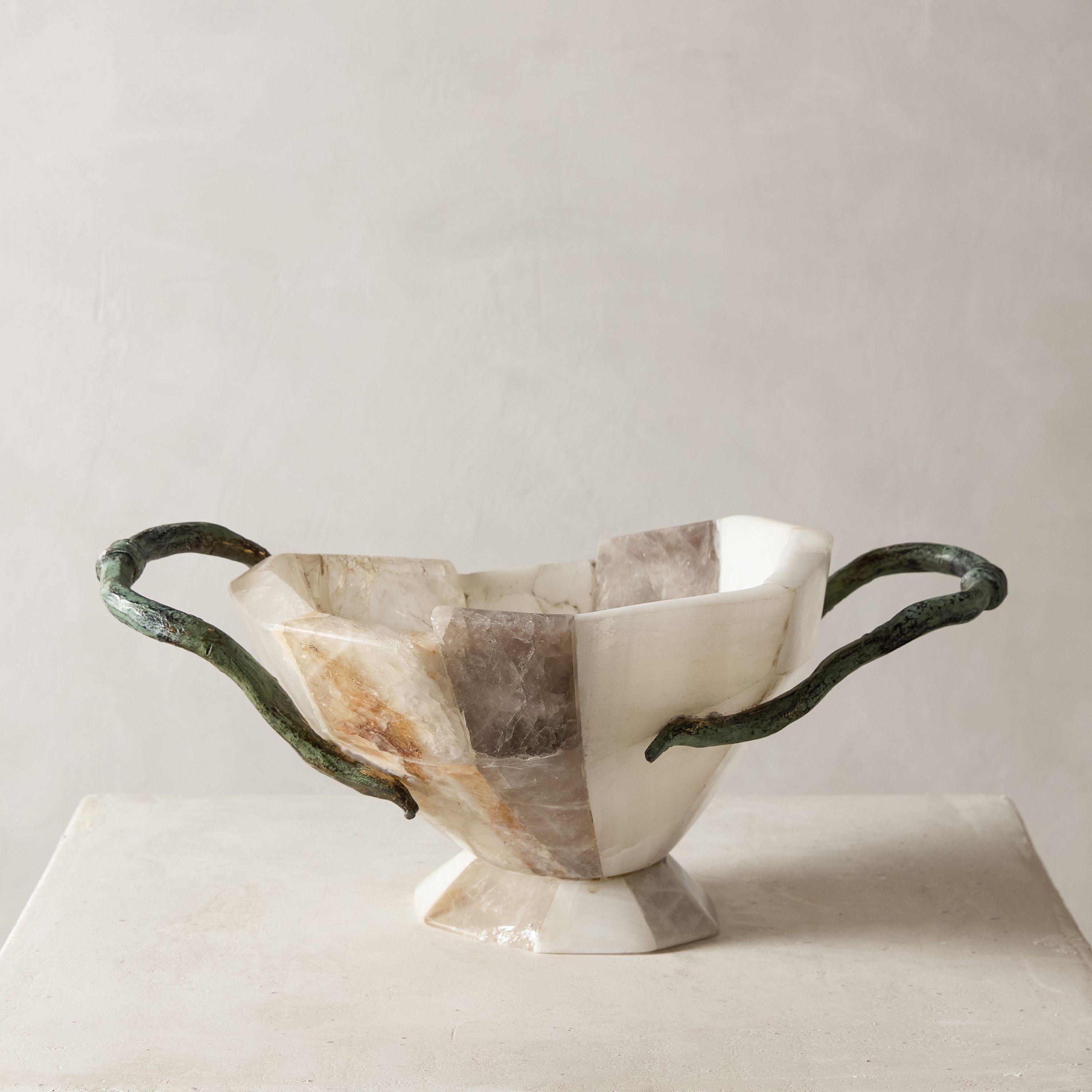
Tesserae 2
Designer
Daniel KolodziejczakDescription
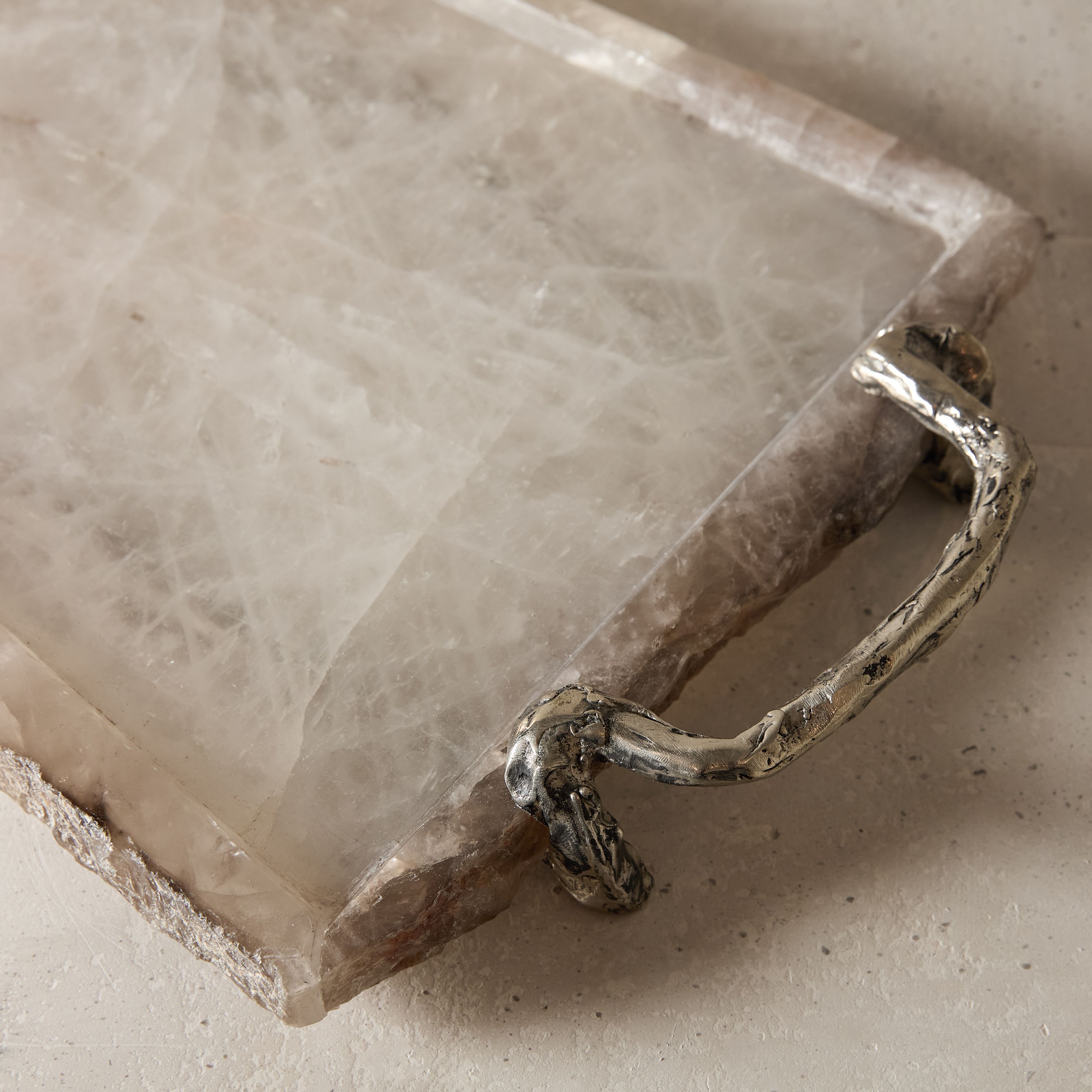
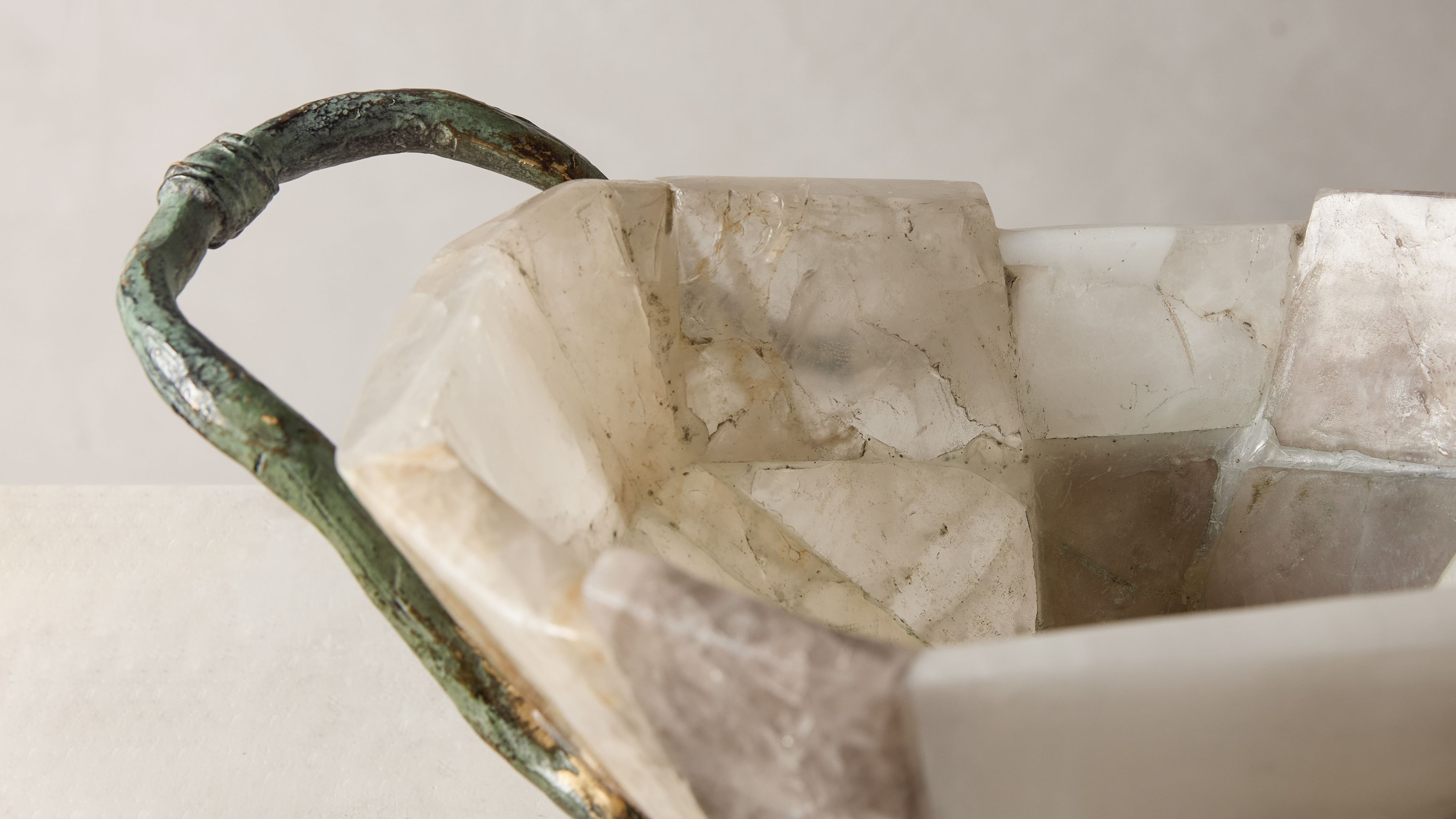
Crafted in Naples from found stone, each form draws on the enduring legacy of Pompeii and the broader Roman and Mediterranean worlds, reinterpreted through a contemporary lens. The inclusion of finely cast bronze handles reflects the artist’s foundation in jewelry-making, introducing a tactile contrast between weight and refinement. Each piece becomes a vessel of connection between the past of its materials, the historical references, and the contemporary vocabulary of its expression.


Daniel Kolodziejczak
Daniel Kolodziejczak
Polish-born Daniel Kolodziejczak has pursued his art and design education across Europe, living in Denmark, Amsterdam, and London. Now based between France and Italy, he is building a cohesive body of work rooted in traditional crafts, art history, and contemporary design.
Kolodziejczak’s artistic vocabulary stems from his early dedication to jewelry art, which he practiced for over eight years. This formative period instilled in him an intimate understanding of minerals, stone, and metals, as well as the precision and technical mastery of their fabrication. These principles now inform his sculptural furniture and lighting, which he conceives as “jewels for the home.” His work balances meticulous craftsmanship with an appreciation for the natural irregularities of each material, allowing stone and bronze to acquire architectural presence.
Exhibited in Europe and the United States, Kolodziejczak’s Antechamber and Congresso series explored immersive environments through the interplay of light, texture, and proportion.
With his latest series, Tesserae, Kolodziejczak draws on classical art and architecture, as well as the deconstructed perspectives of Cubism, bringing historical references into dialogue with a contemporary geometric vocabulary. Working with reclaimed onyx and quartz remnants from quarries in India, Italy, and Patagonia, he assembles fragments according to their individual color, texture, and geological character. Each work brings together the history of its materials and the sculptural possibilities of their reconfiguration.
Working entirely by hand, Kolodziejczak cuts and carves each fragment of stone individually, assembling the pieces one by one to form each sculpture. His bronze elements follow a similarly hands-on process, from clay modeling and casting to surface finishing. Throughout, he allows the material’s natural variations to inform the final composition, balancing geometric structure with the distinctive character of each fragment.