
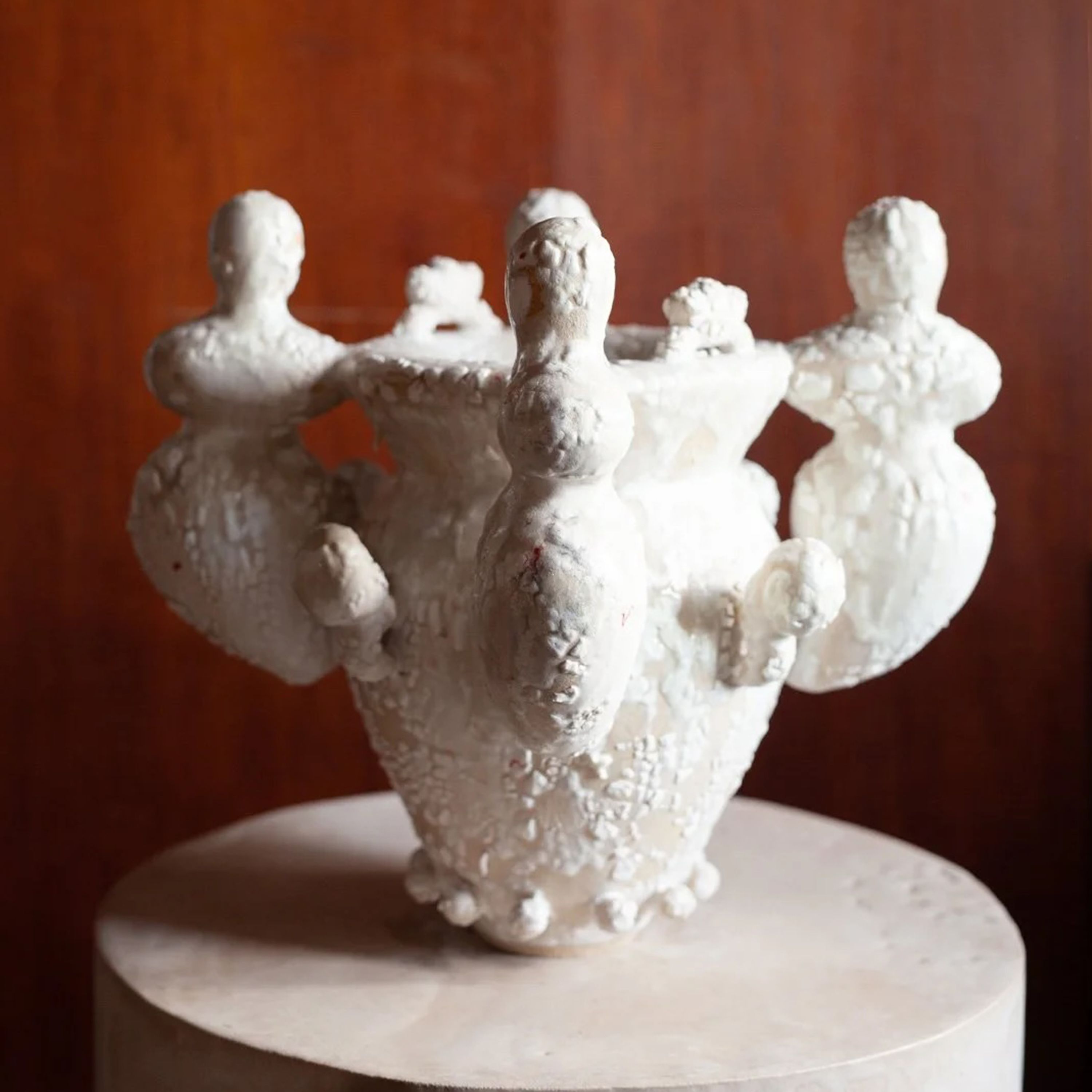
Jōmon 24
Designer/Manufacturer
Noe KuremotoCirca
2026
Description
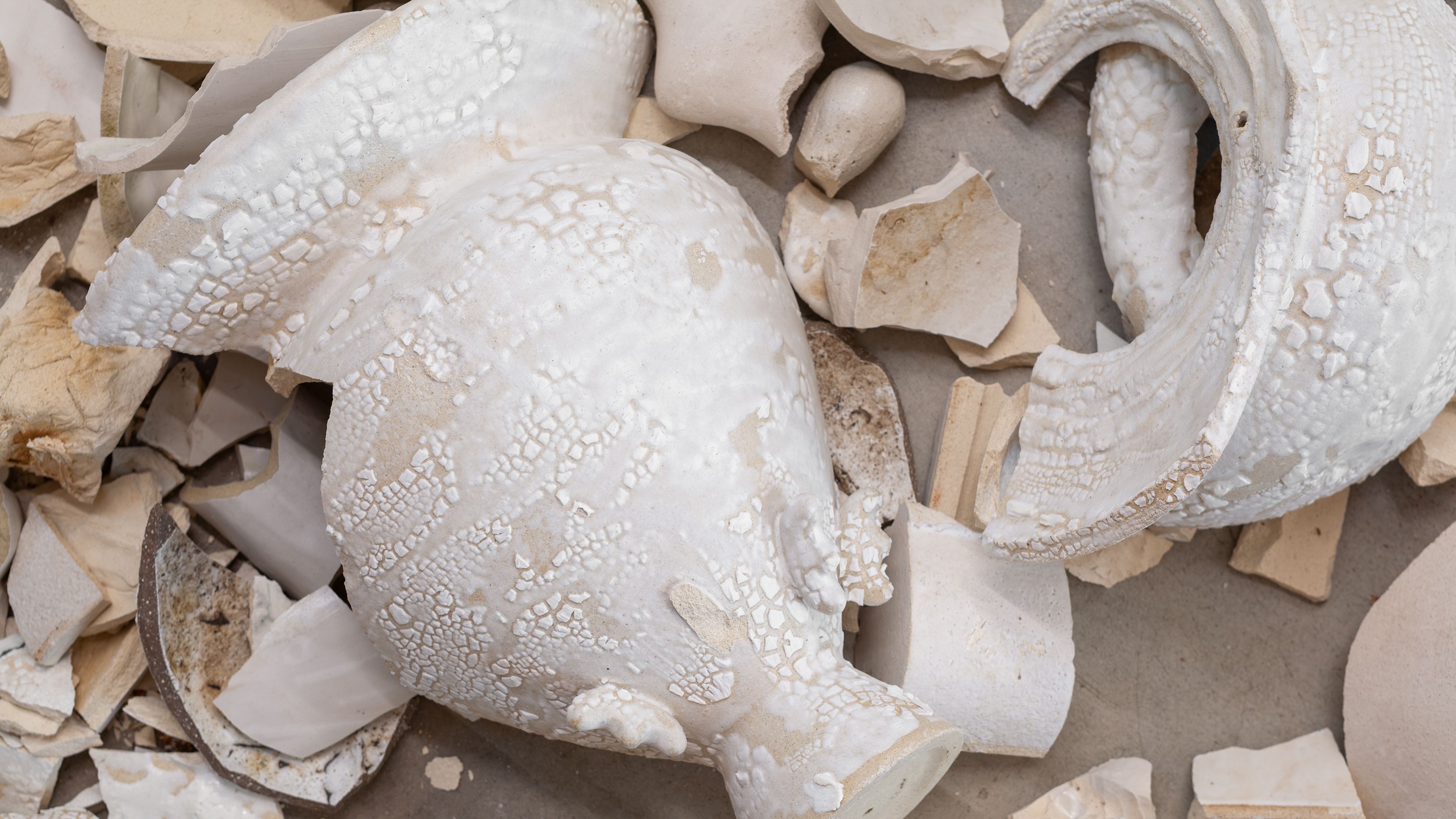
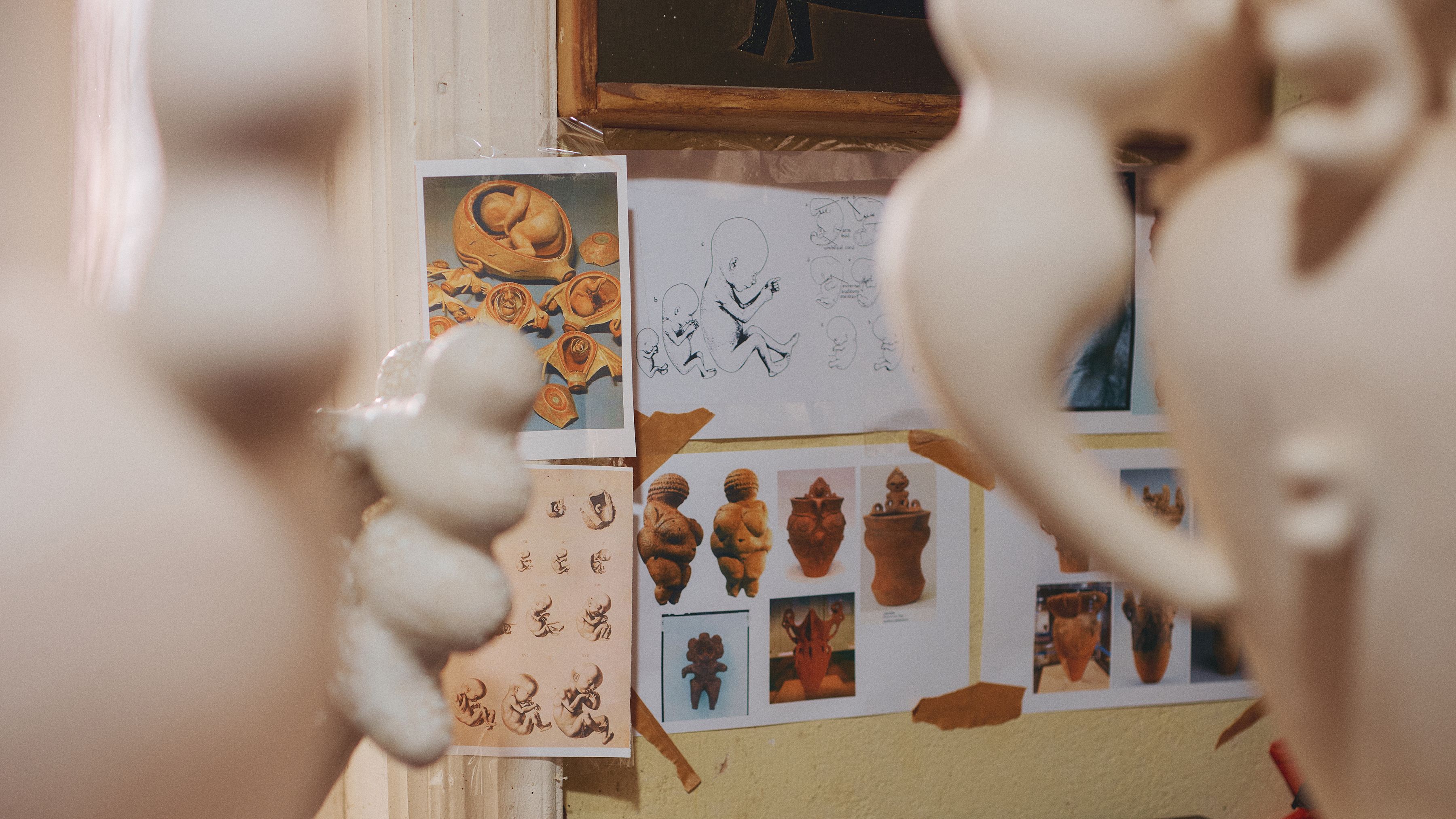
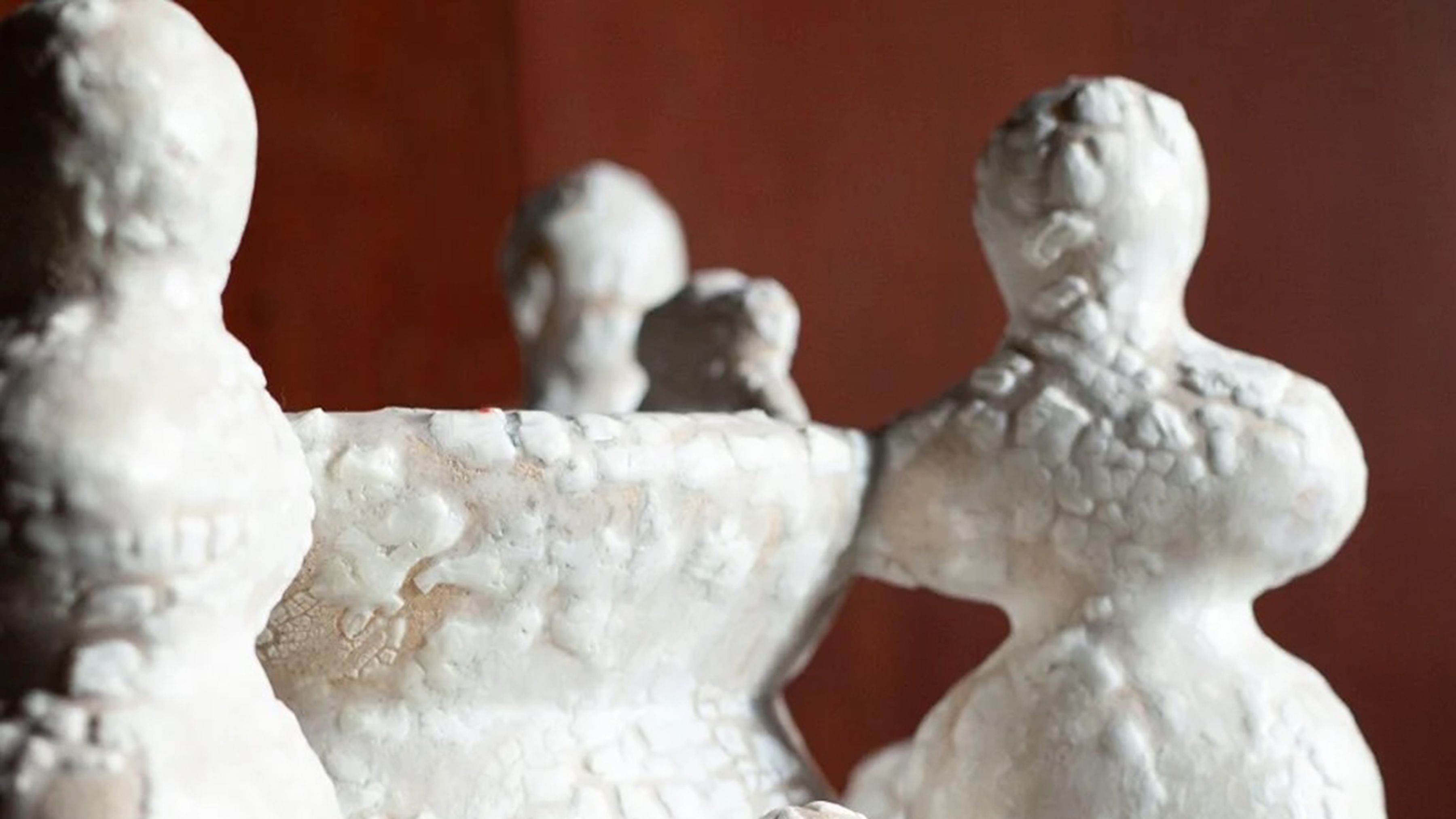
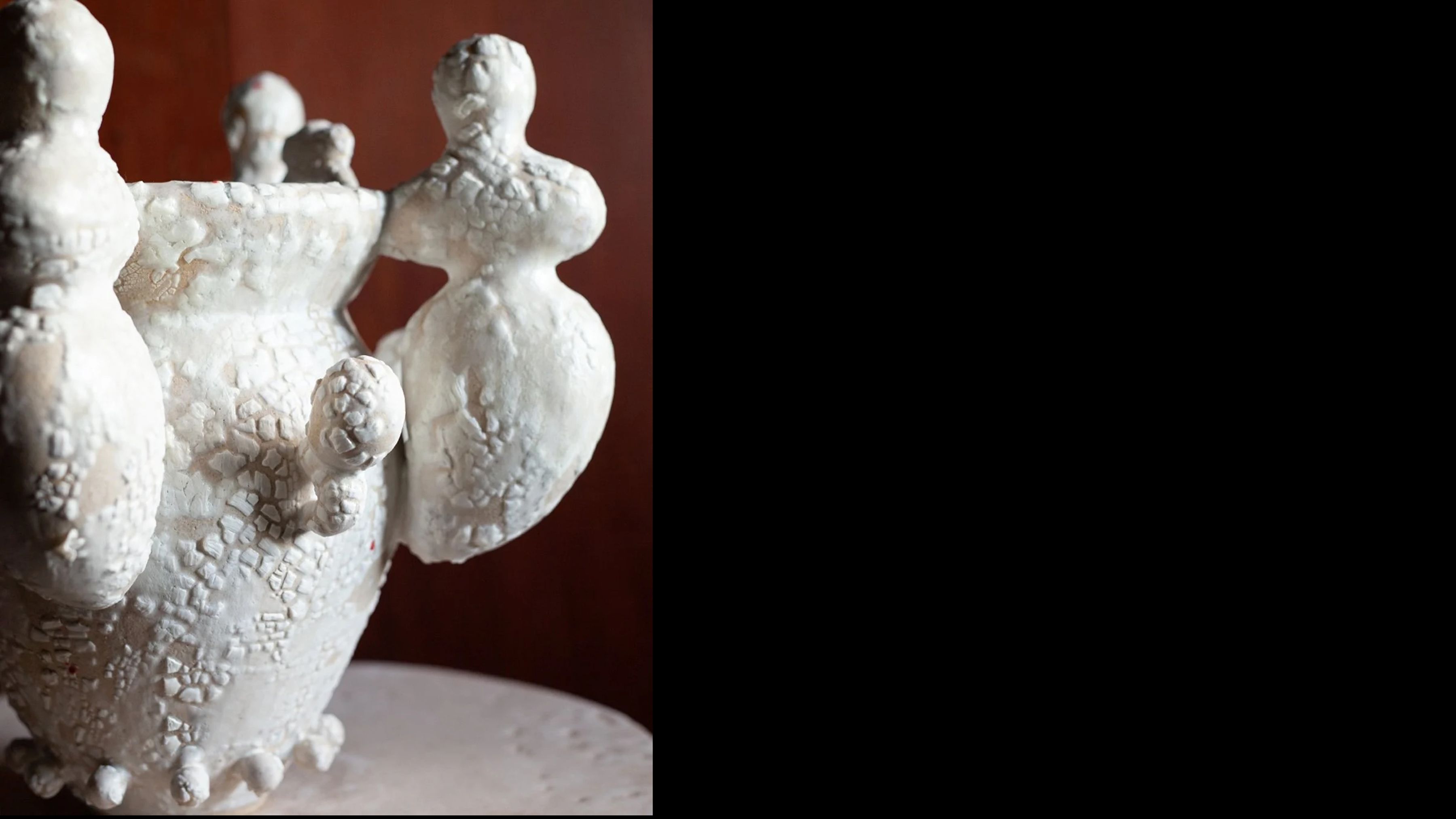
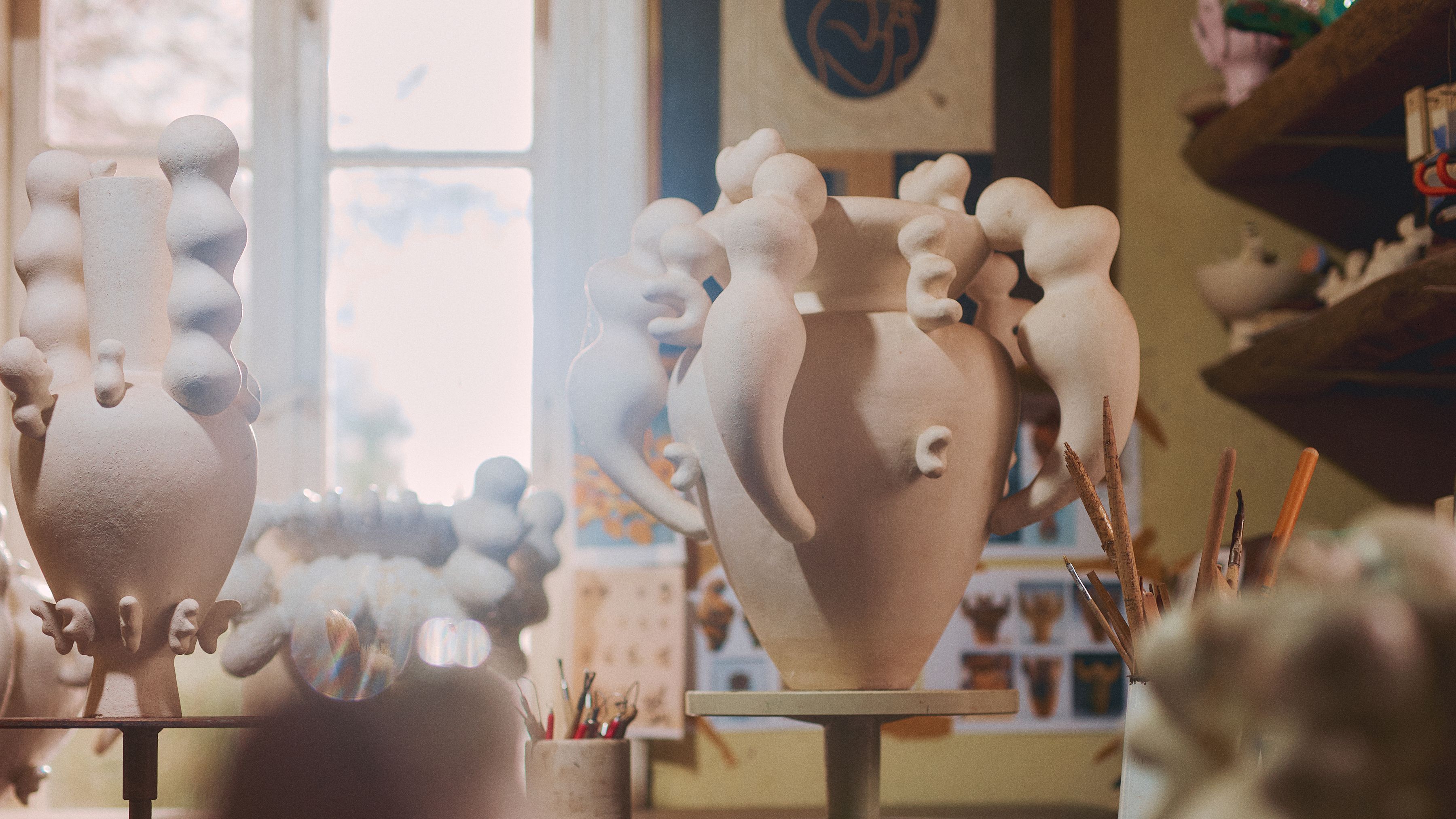
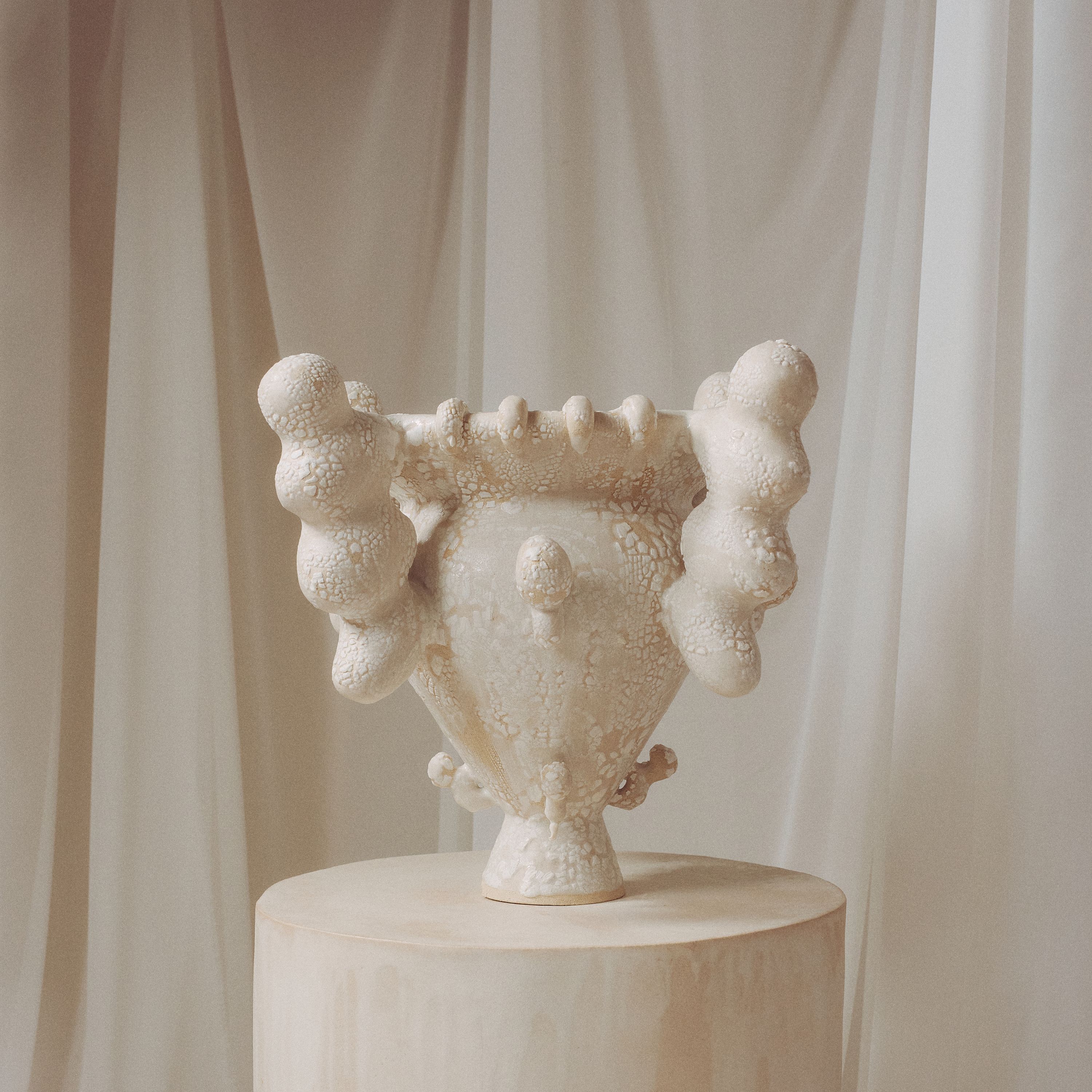
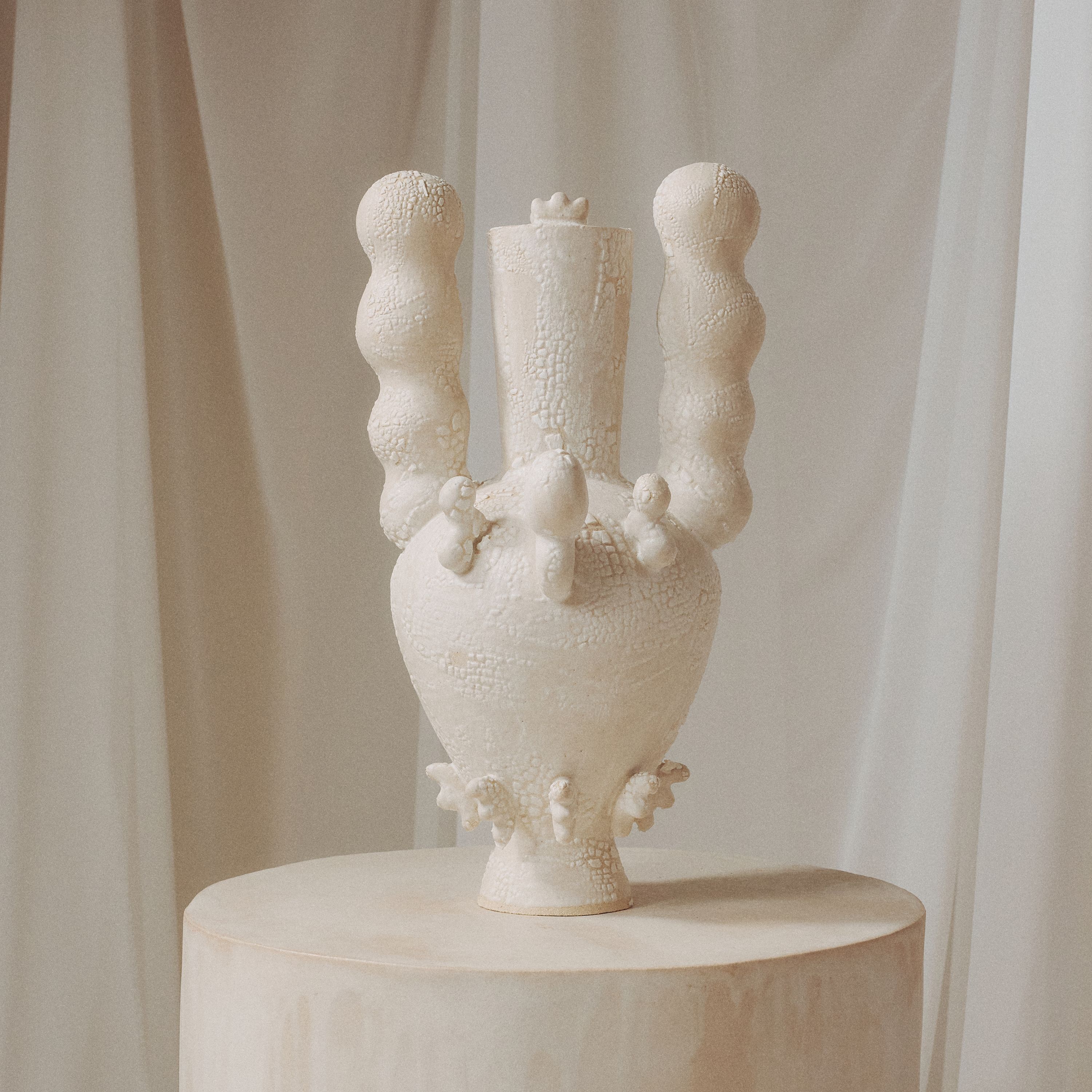
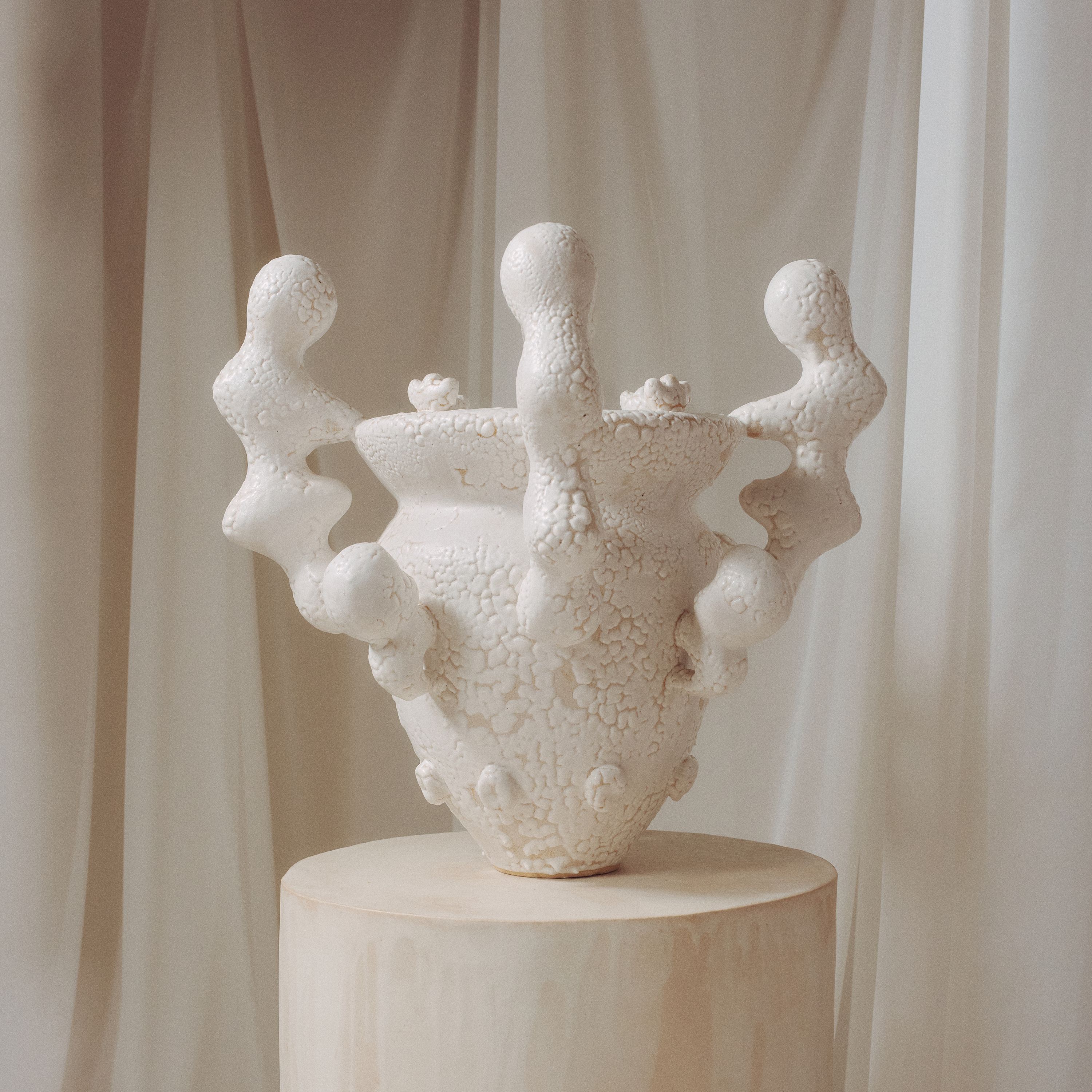
Jōmon vessels, made between roughly 14,000 and 300 BCE, were formed from wild clay and fired in open pits by hunter-gatherer communities. Among the earliest examples of pottery in the world, these vessels were used in domestic and ritual contexts, reflecting a close relationship between everyday life and spiritual belief. At a time when childbirth carried constant risk, certain vessels and clay figures are understood to have served as objects of protection for women and their children. Figurative representations of mothers, infants, and the female body further connected these objects to fertility, the continuity of life, and the hope for future generations.



Noe Kuremoto
Noe Kuremoto
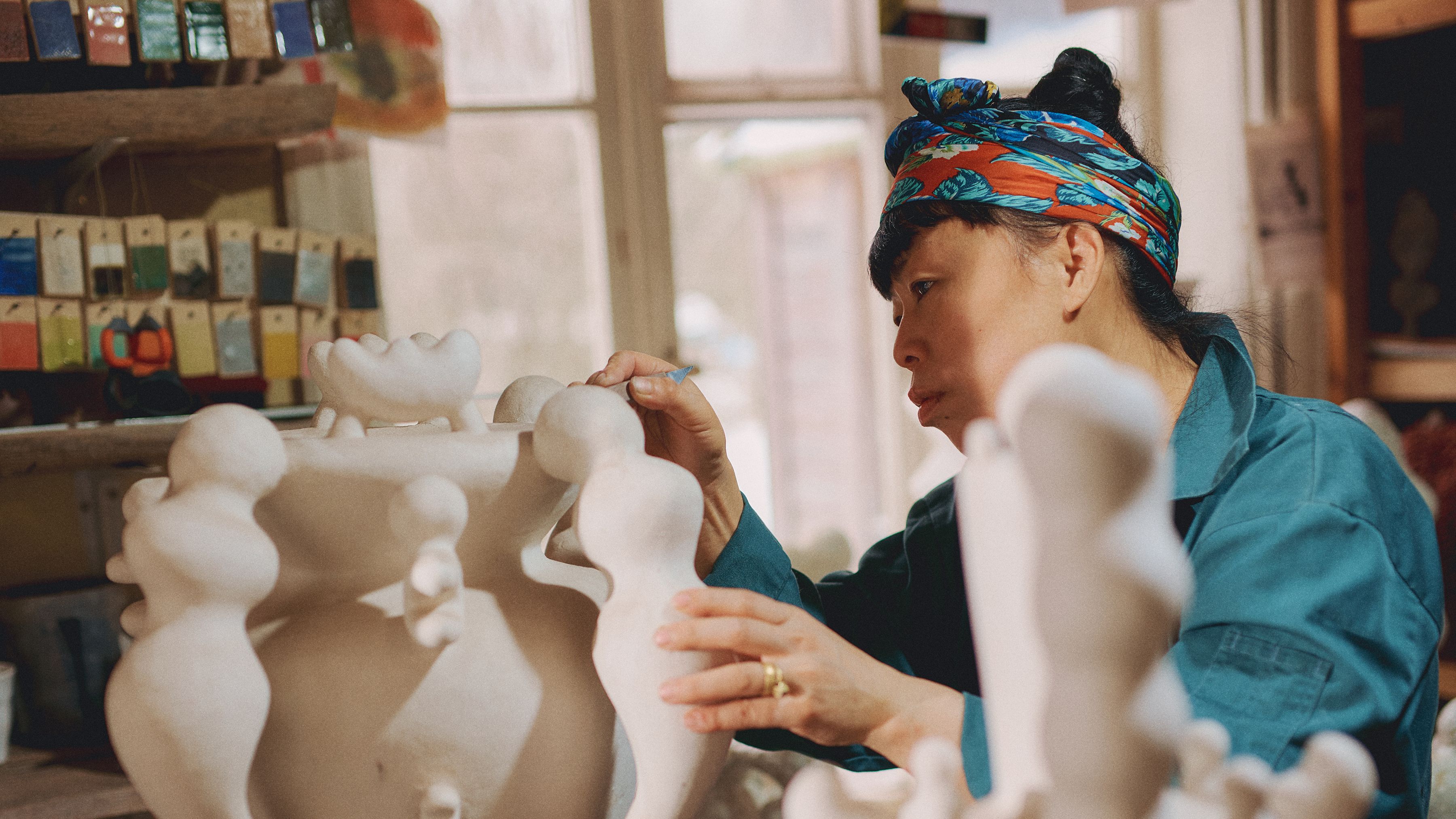
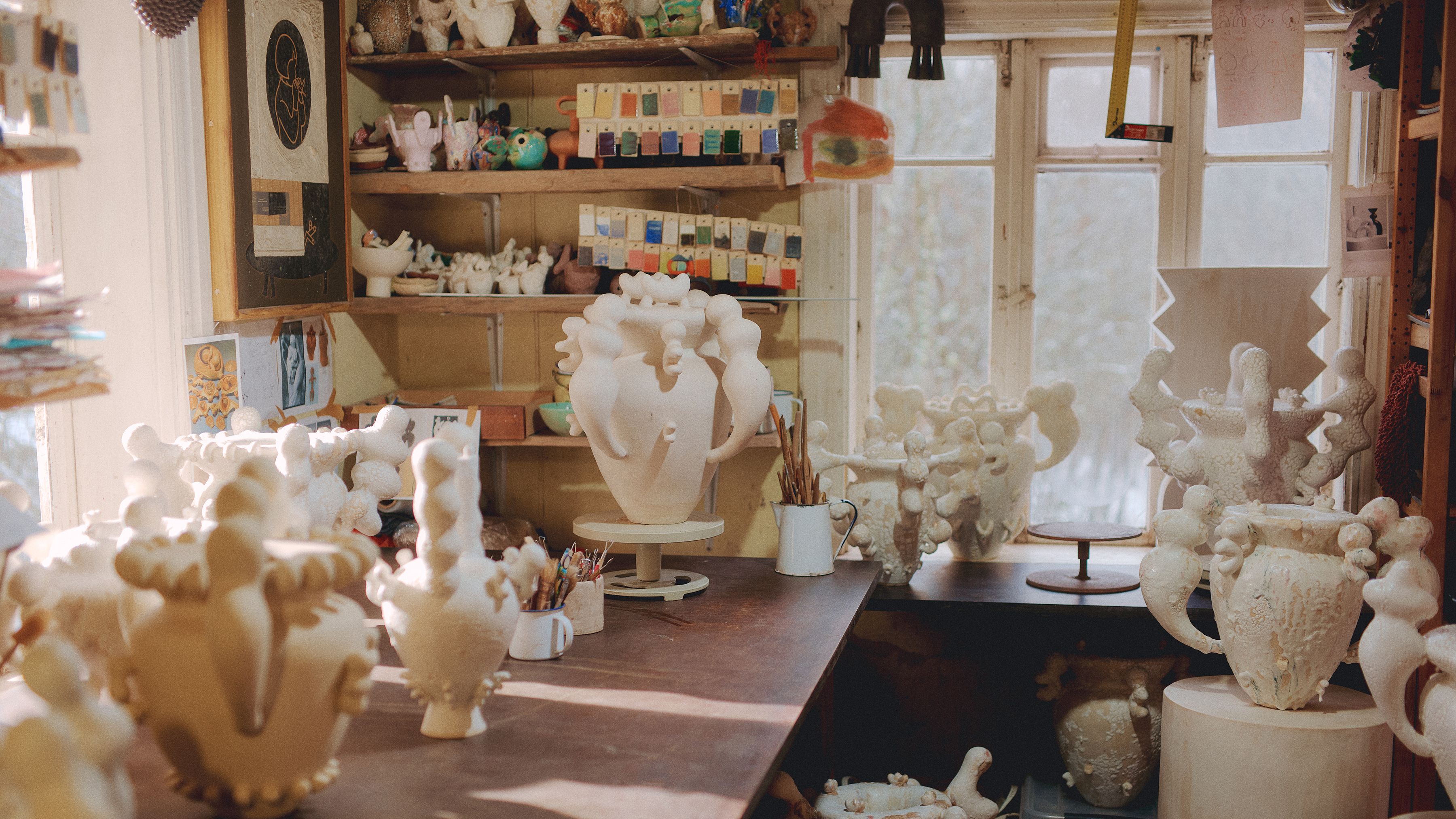
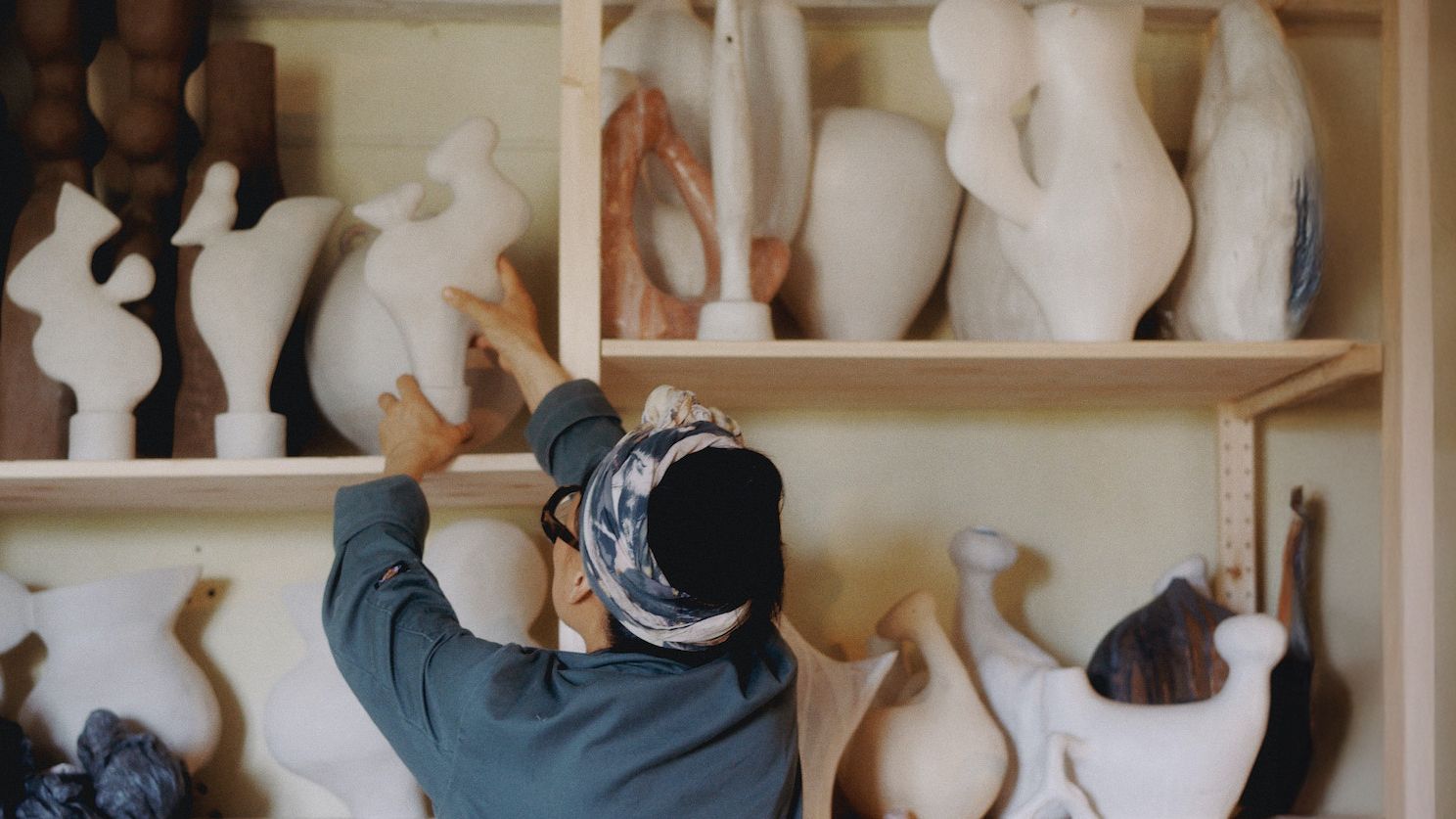
Born in Osaka, Japan, Noe Kuremoto grew up between the mountains of Mount Ikoma and thenpristine waters of Osaka Bay, a landscape that nprofoundly shaped her artistic sensibility. Working exclusively by hand, Kuremoto sculpts clay using tradtional Japanese craftsmanship, creating figurative sculptures that speak to both her ancestry and contemporary daily life. Trained in Fine Art at Central Saint Martins College of Art in London, Kuremoto now works between the city of London and the forests of Lithuania.
Kuremoto's body of work centers on sculptural pieces that reinterpret ancient Japanese clay figurines through a contemporary lens. Her signature works—interpretations of traditional talismans like 'Haniwa', 'Dogu', and 'Toro'— embody the Japanese philosophical understanding of omnipresent spirits, particularly in nature.
Each piece is meticulously handcrafted using elemental tools, resulting in works that balance child-like simplicity with sophisticated artistry. These sculptures, emerging from what she describes as “ a deep ocean of childhood memories,” serve as spiritual anchors, inviting the essence of nature into domestic spaces.

View The Collection
Jōmon 22
Jōmon 10
Jōmon 2
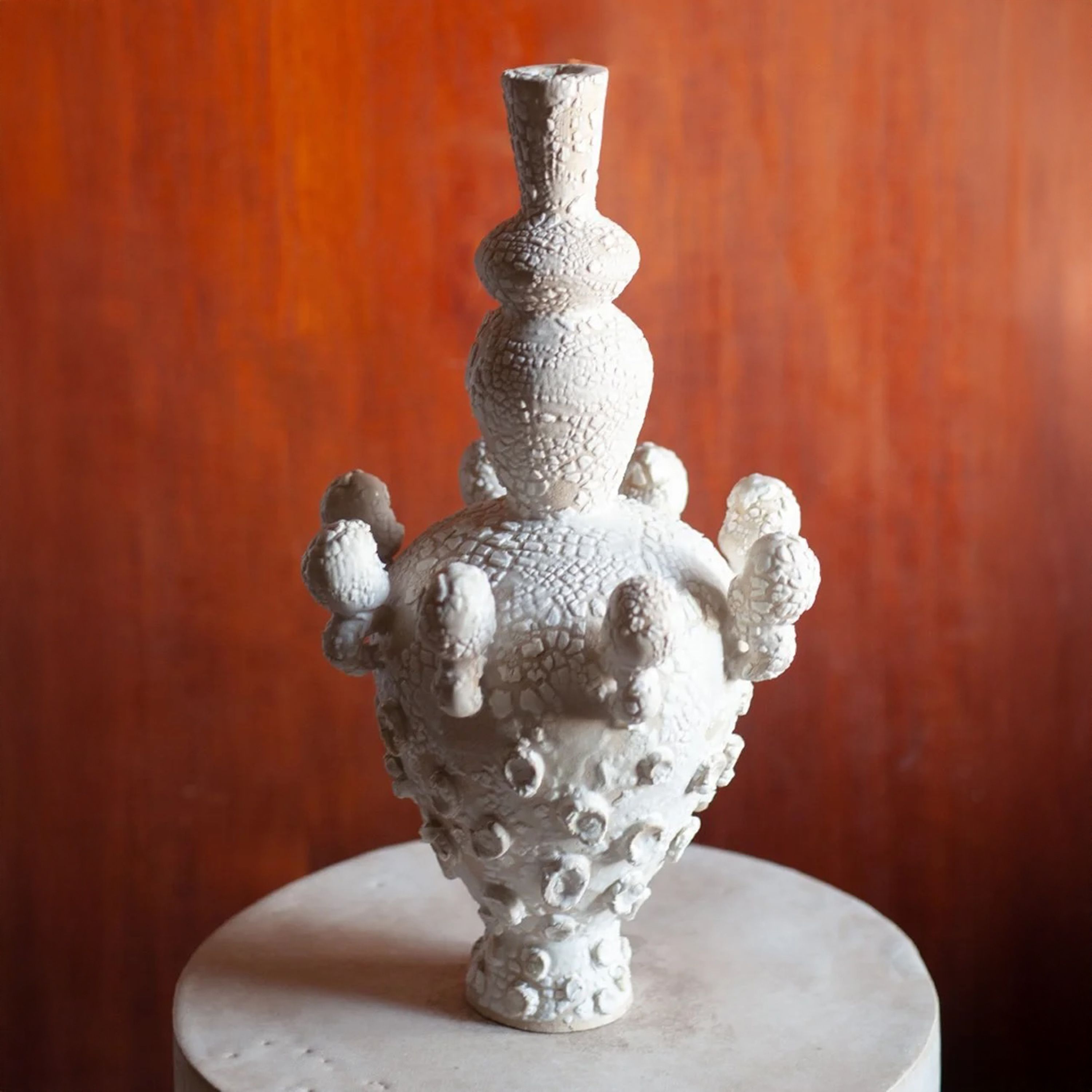
Jōmon 16
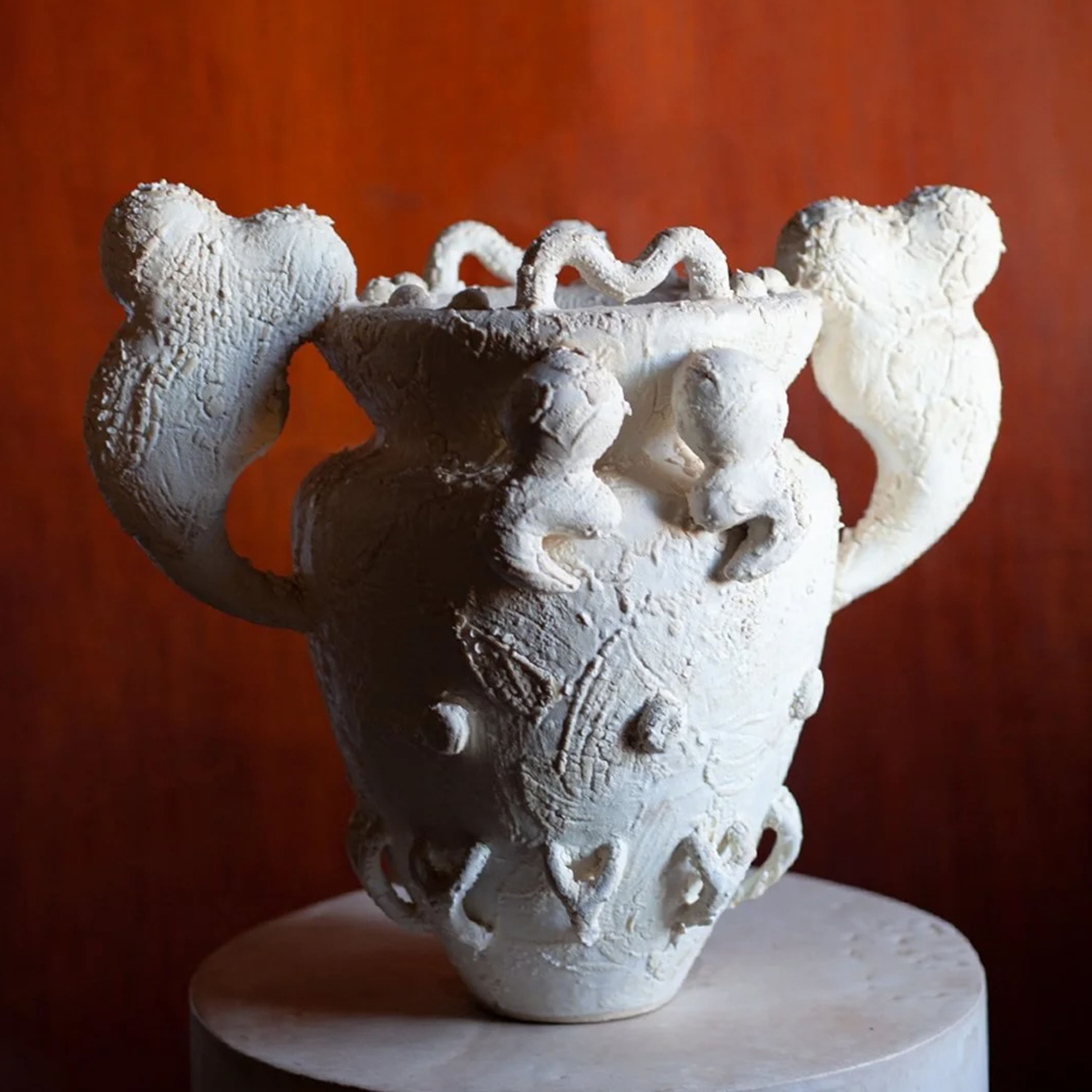
Jōmon 26
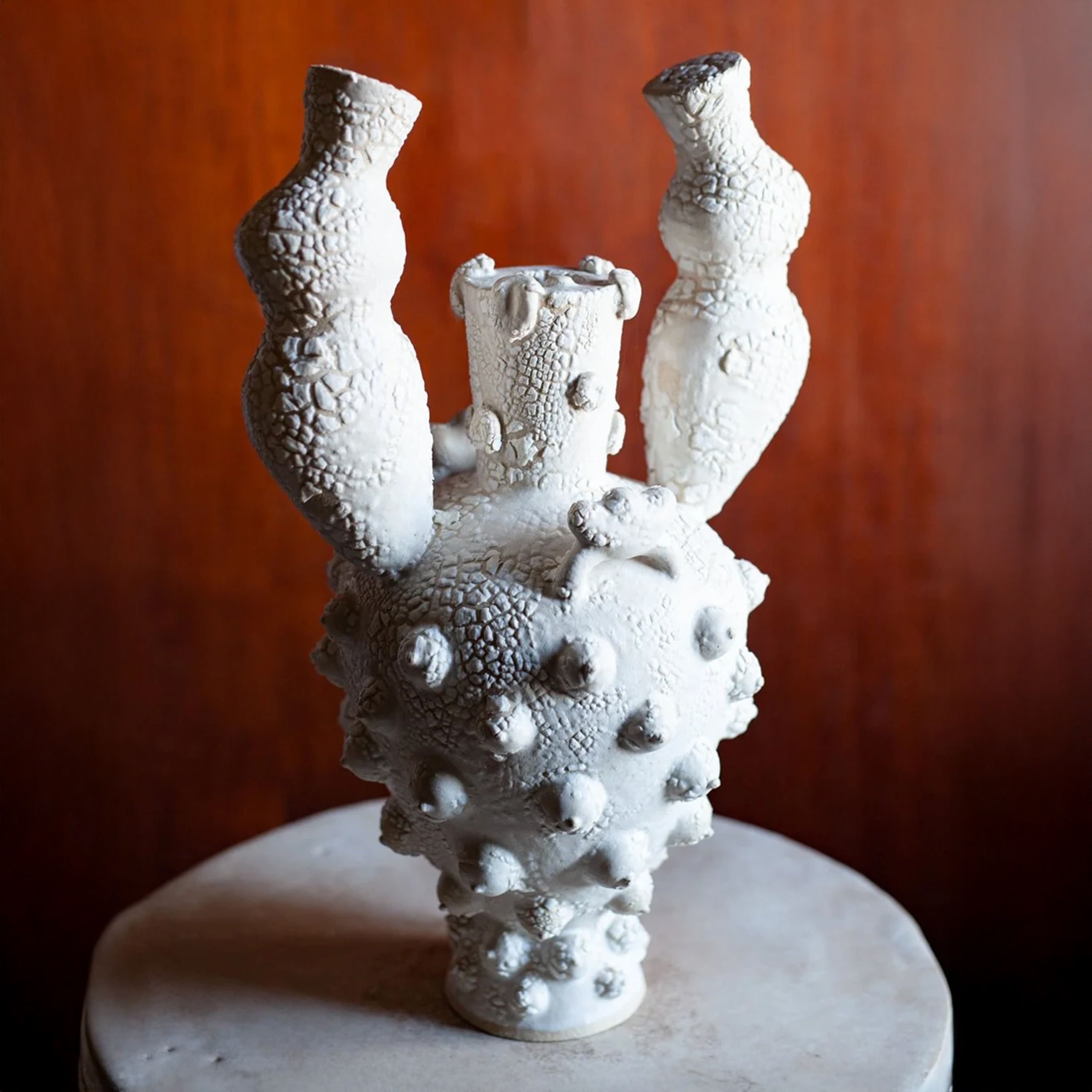
Jōmon 21
Jōmon 24

Haniwa Warrior 143

Haniwa Warrior 158

Haniwa Warrior 93

Haniwa Warrior 112

Haniwa Warrior 137

Haniwa Warrior 113

Haniwa Warrior 144

Haniwa Warrior 142

Haniwa Warrior 140

Haniwa Warrior 139

Haniwa Warrior 136

Haniwa Warrior 135

Haniwa Warrior 133

Haniwa Warrior 130

Haniwa Warrior 127

Haniwa Warrior 123

Haniwa Warrior 118

Haniwa Warrior 111

Haniwa Warrior 110

Haniwa Warrior 108

Haniwa Warrior 107

Haniwa Warrior 151

Haniwa Warrior 150

Haniwa Warrior 134

Haniwa Warrior 128

Haniwa Warrior 126

Haniwa Warrior 125

Haniwa Warrior 124

Haniwa Warrior 120

Haniwa Warrior 99

Haniwa Warrior 85

Kodama 17

Haniwa Warrior 51

Haniwa Warrior 59

Haniwa Warrior 56

Haniwa Warrior 52

Haniwa Warrior 93

Haniwa Warrior 76

Haniwa Warrior 75

Dogu Lady 131

Haniwa Warrior 54

Dogu Lady 95

Dogu Lady 93

Dogu Lady 91

Shodo VI

Shodo V