V/IV
Designer
Iris NesherCirca
2024
Description
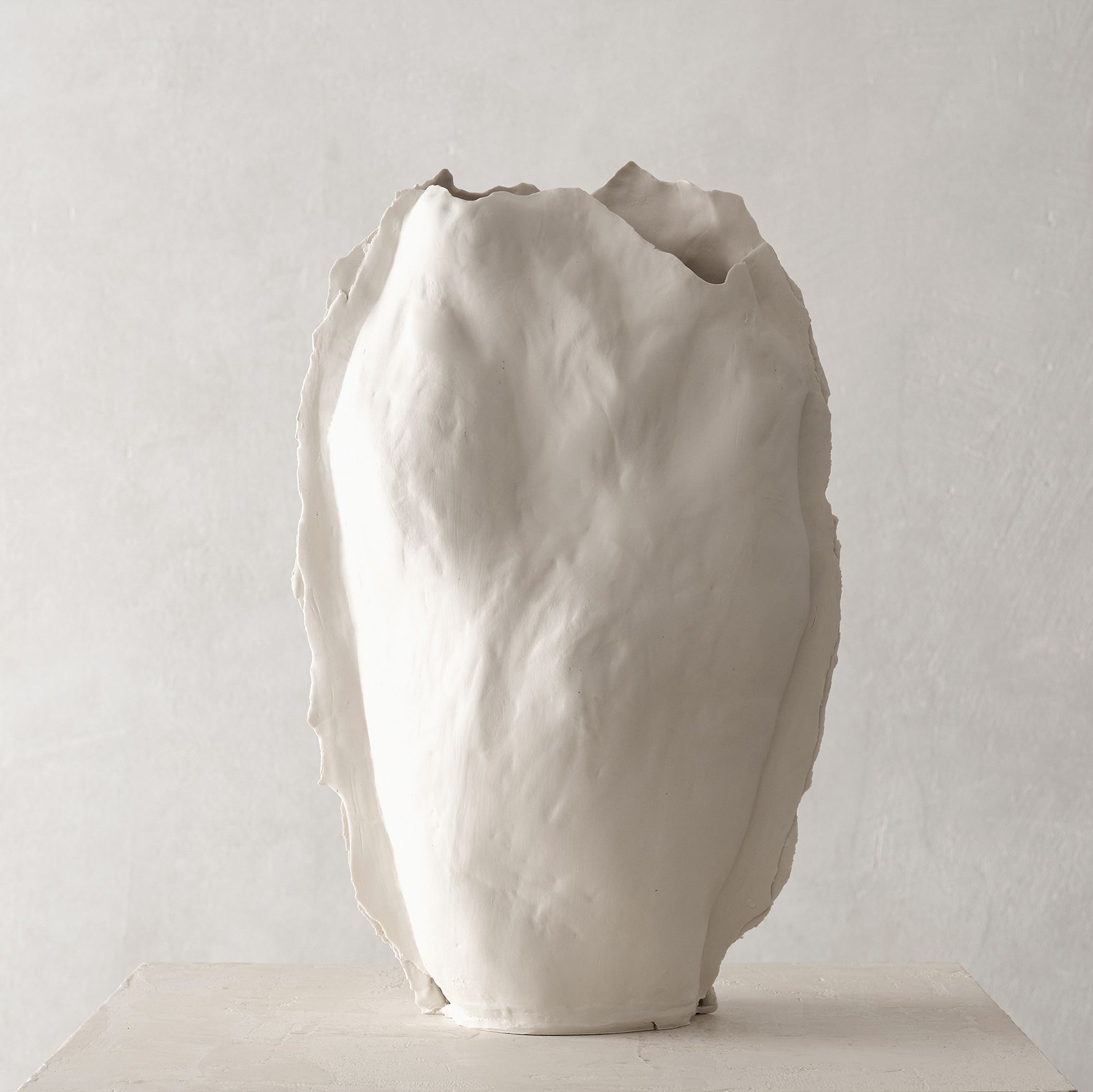
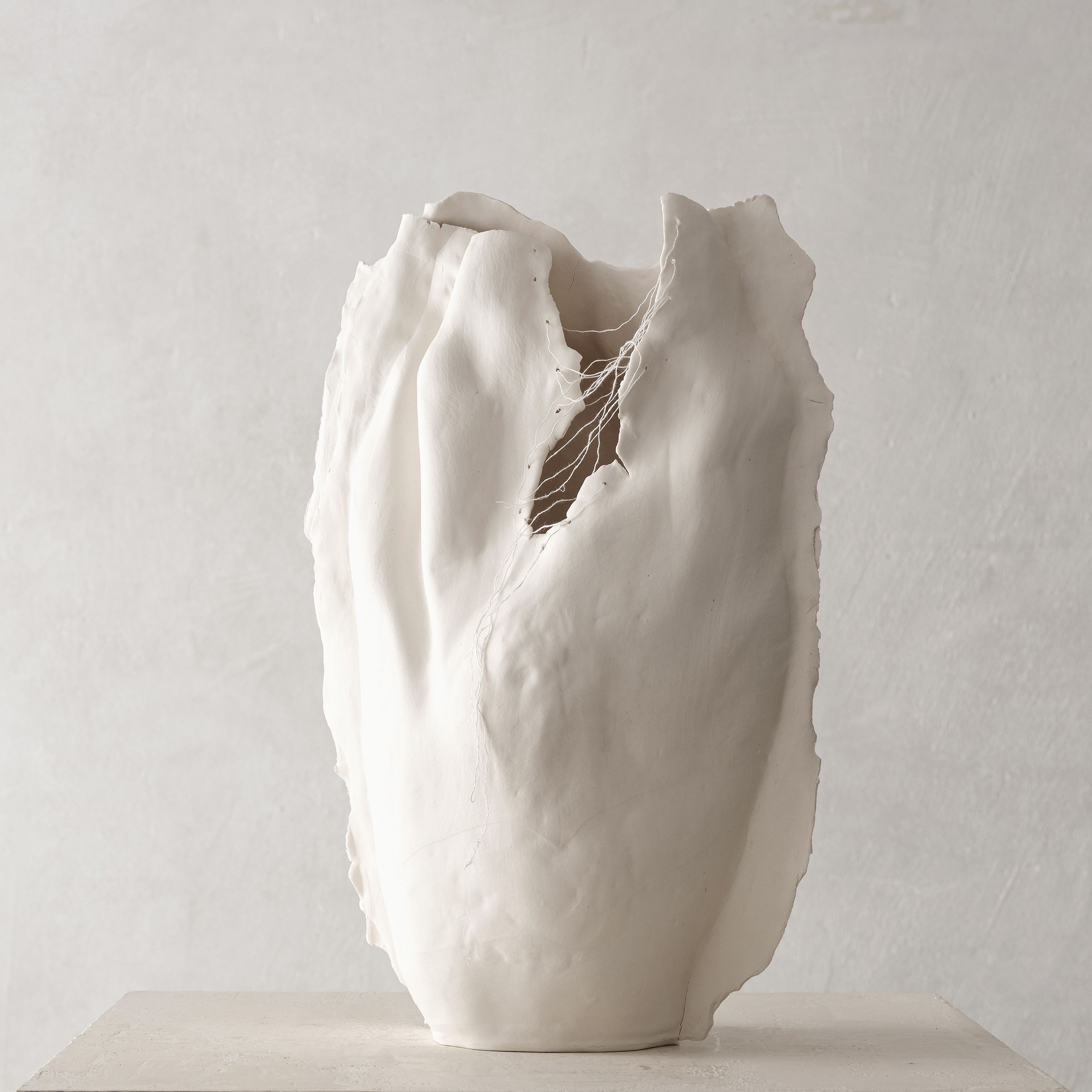
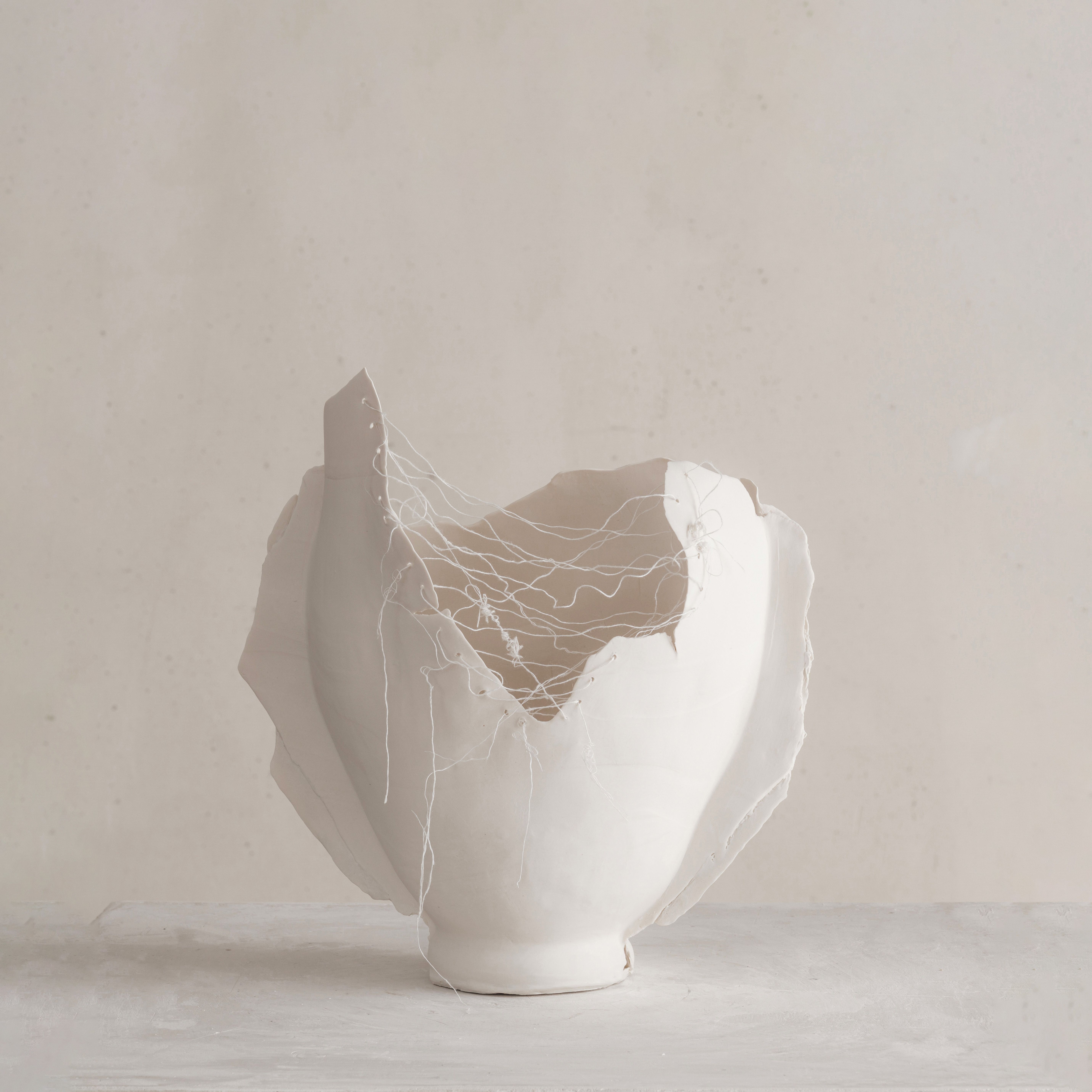
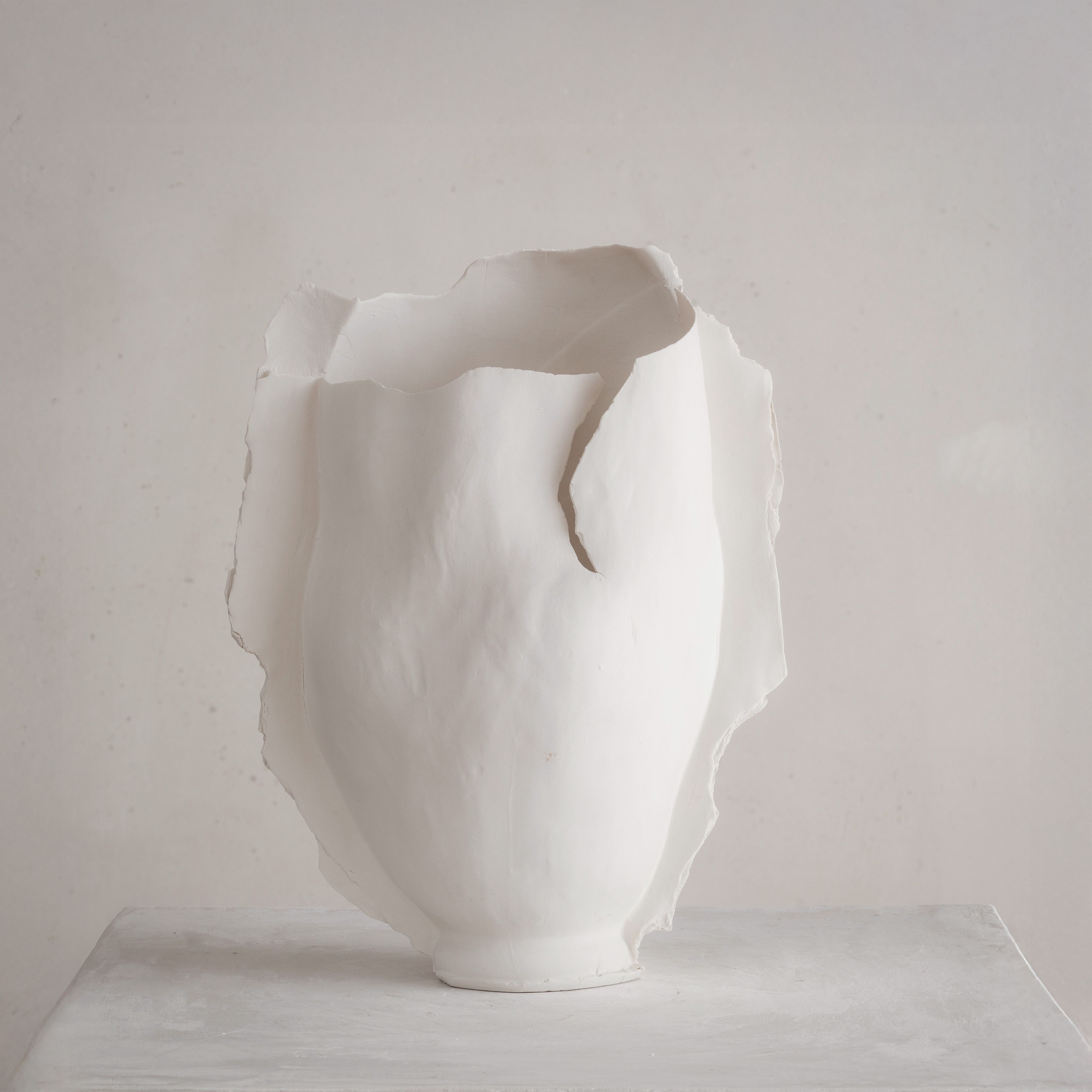
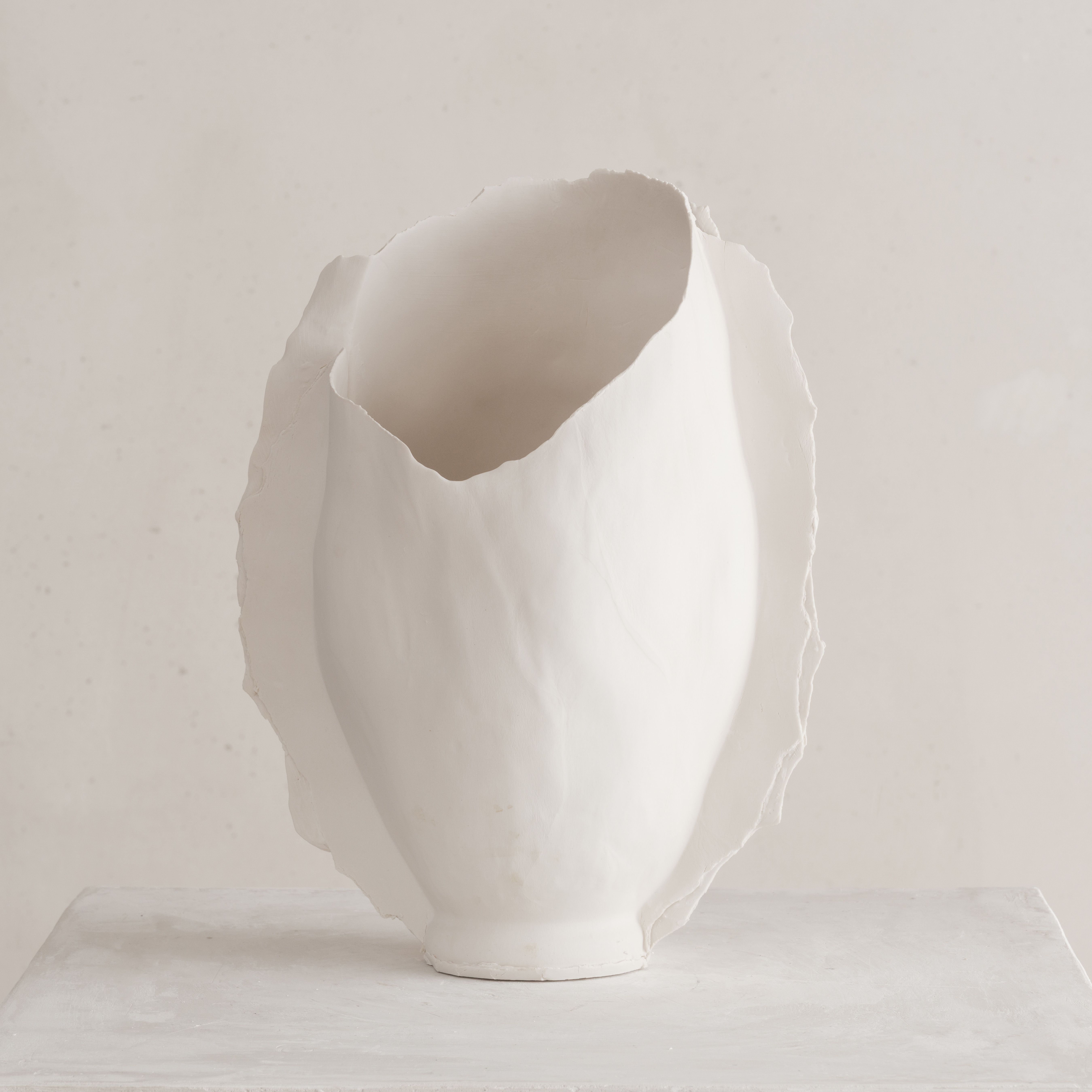
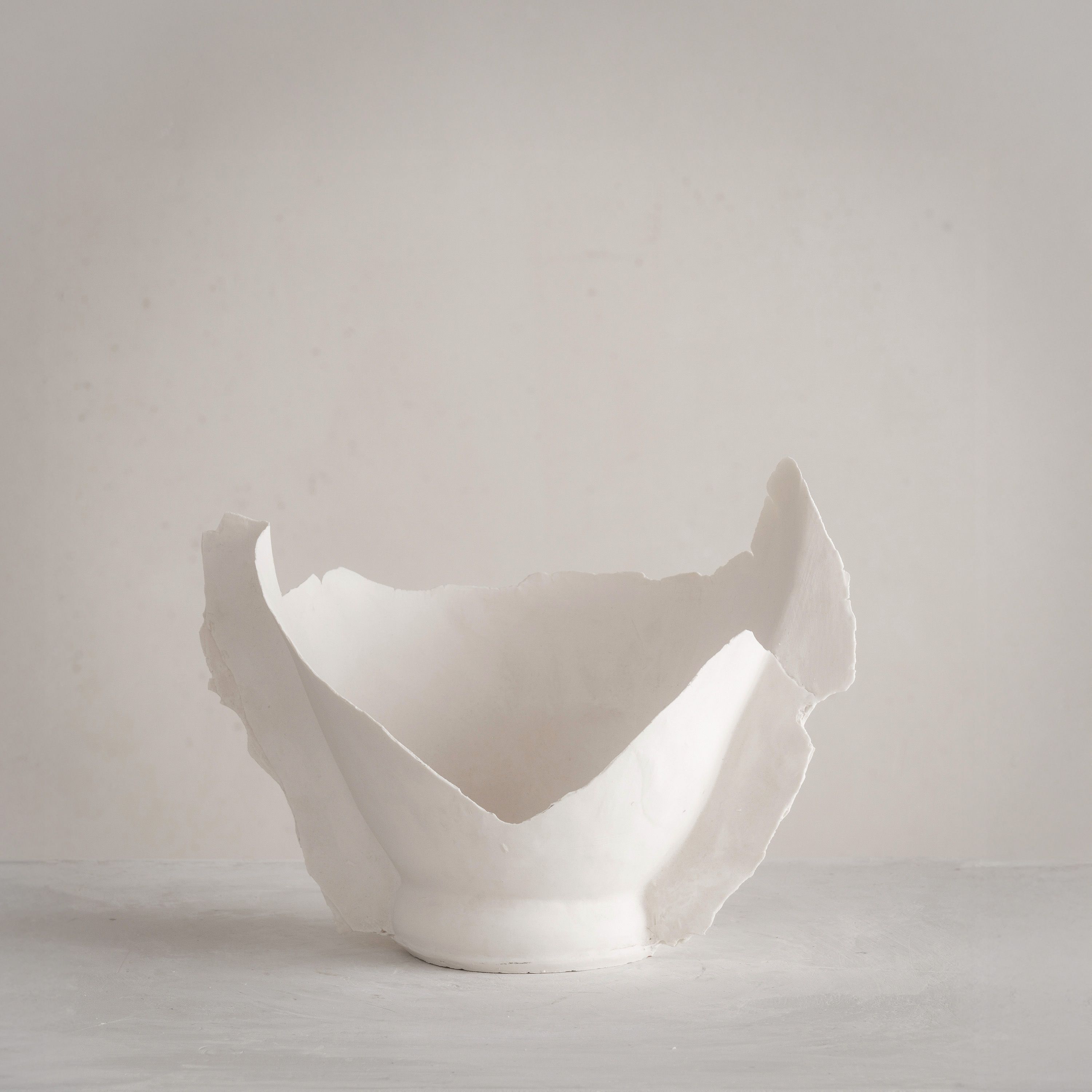
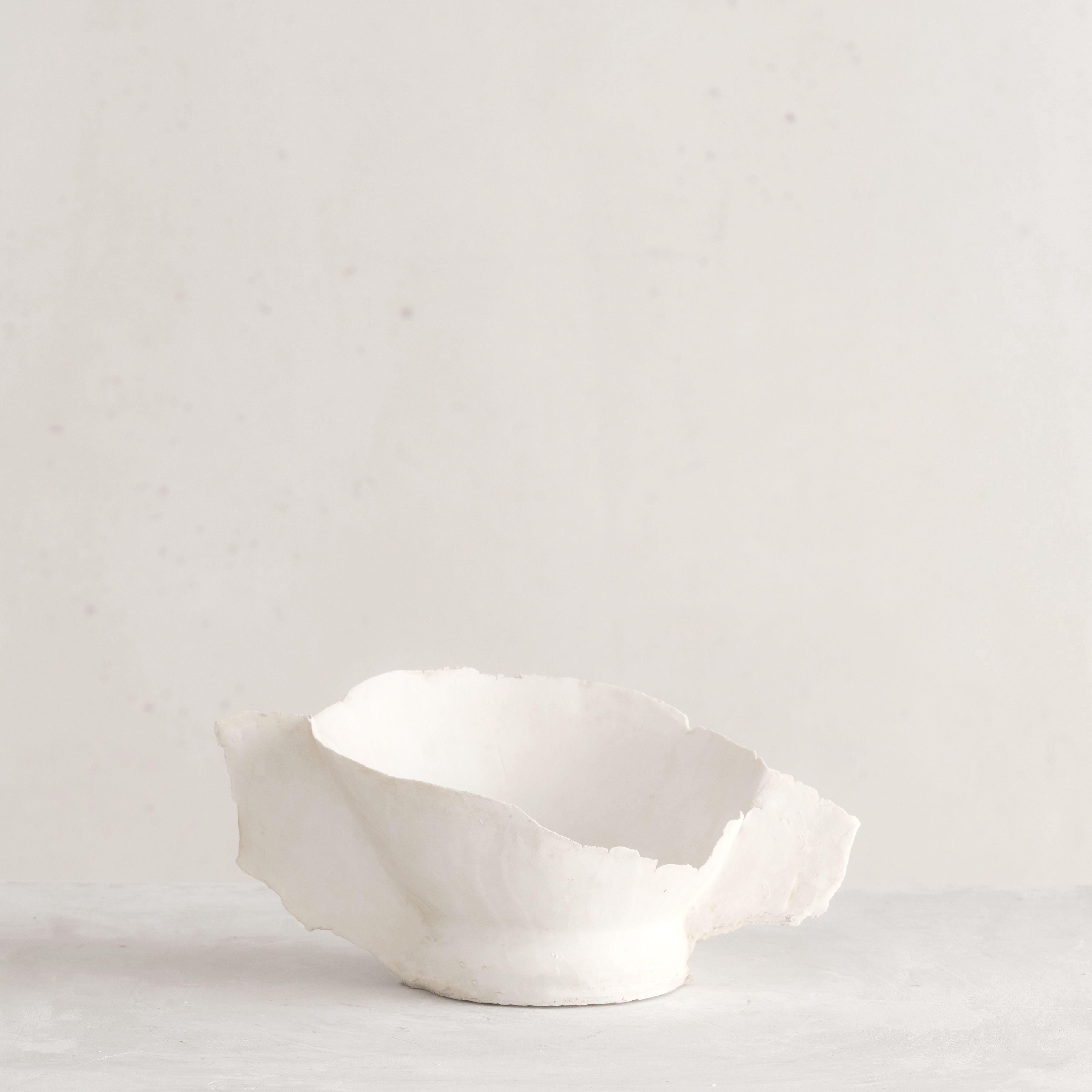
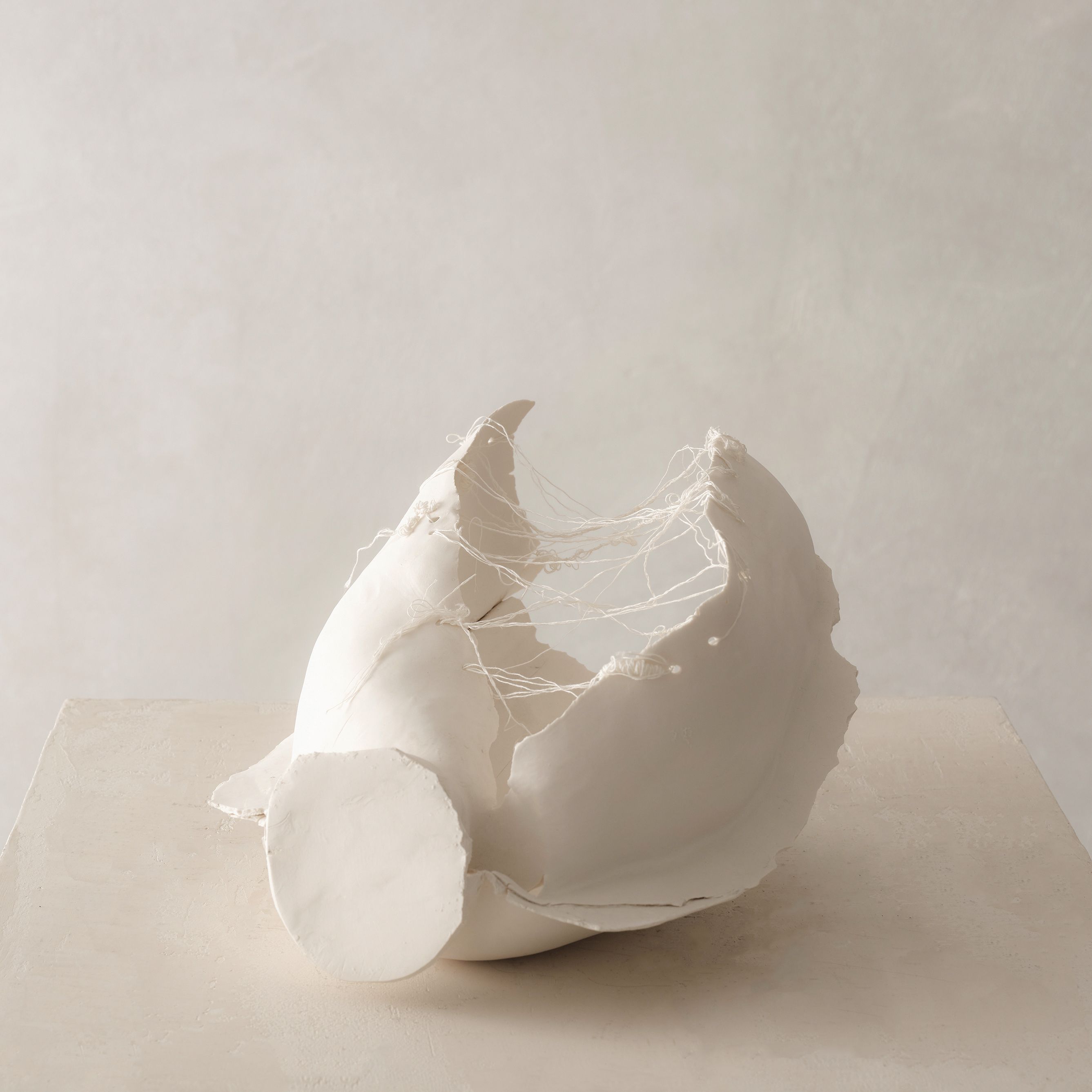
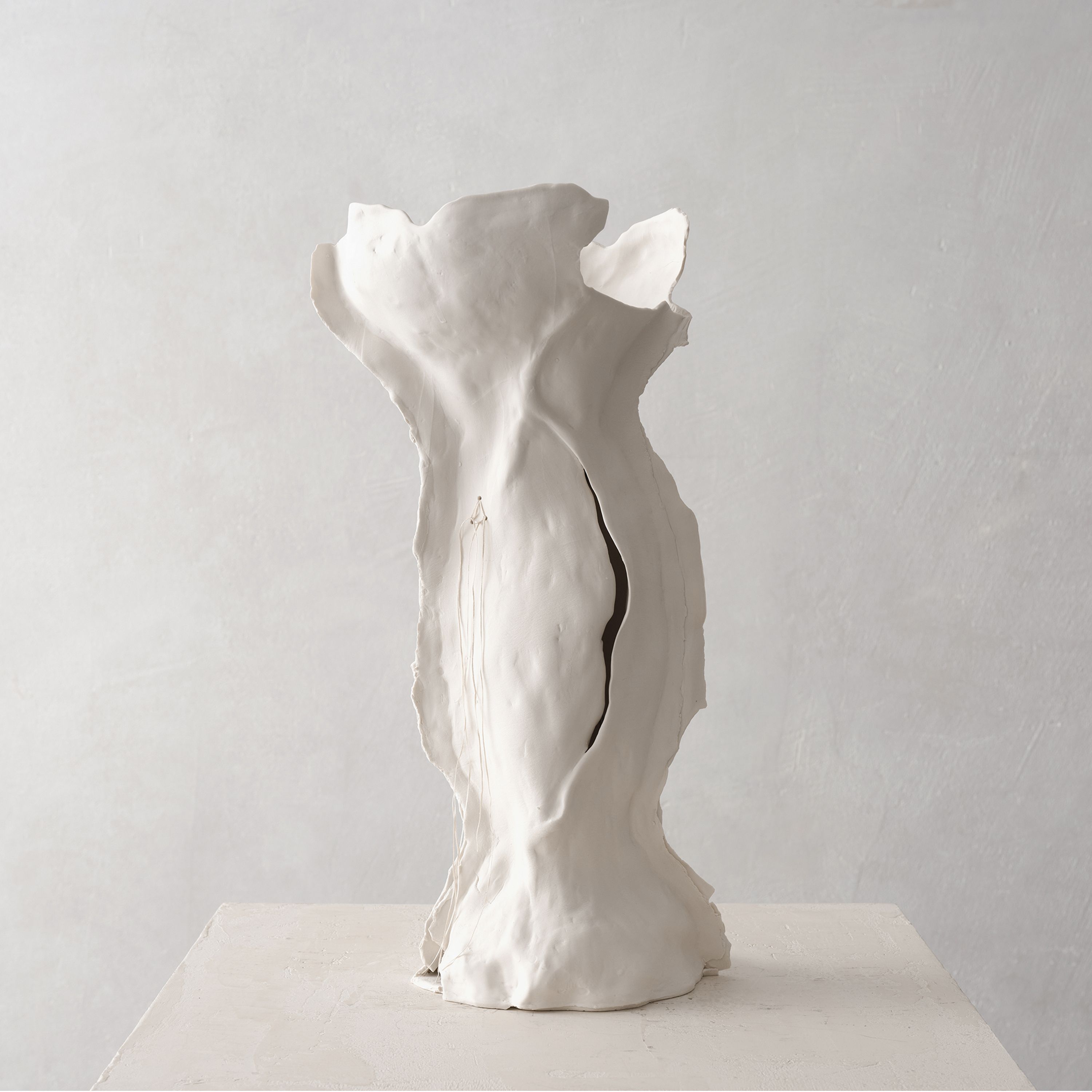
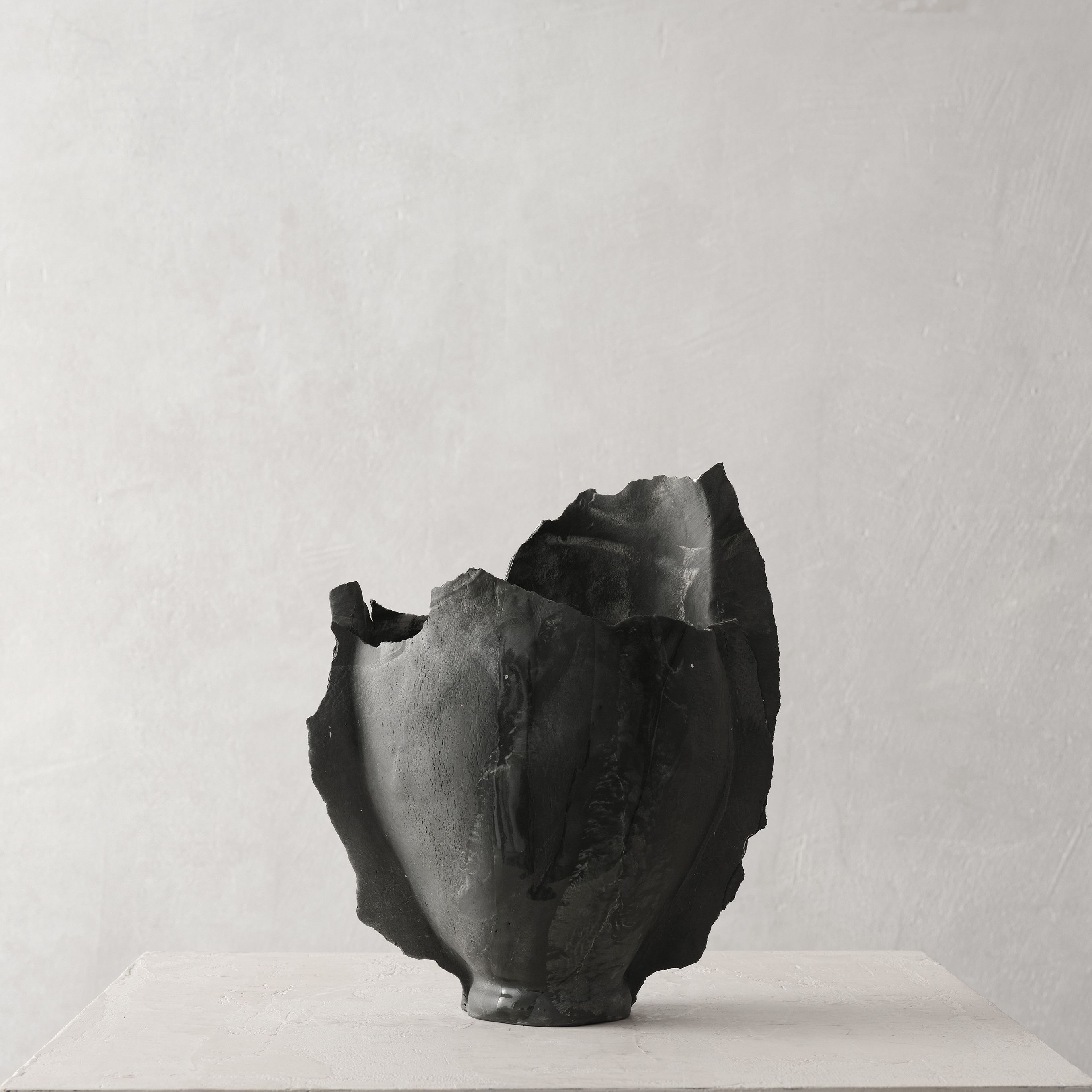
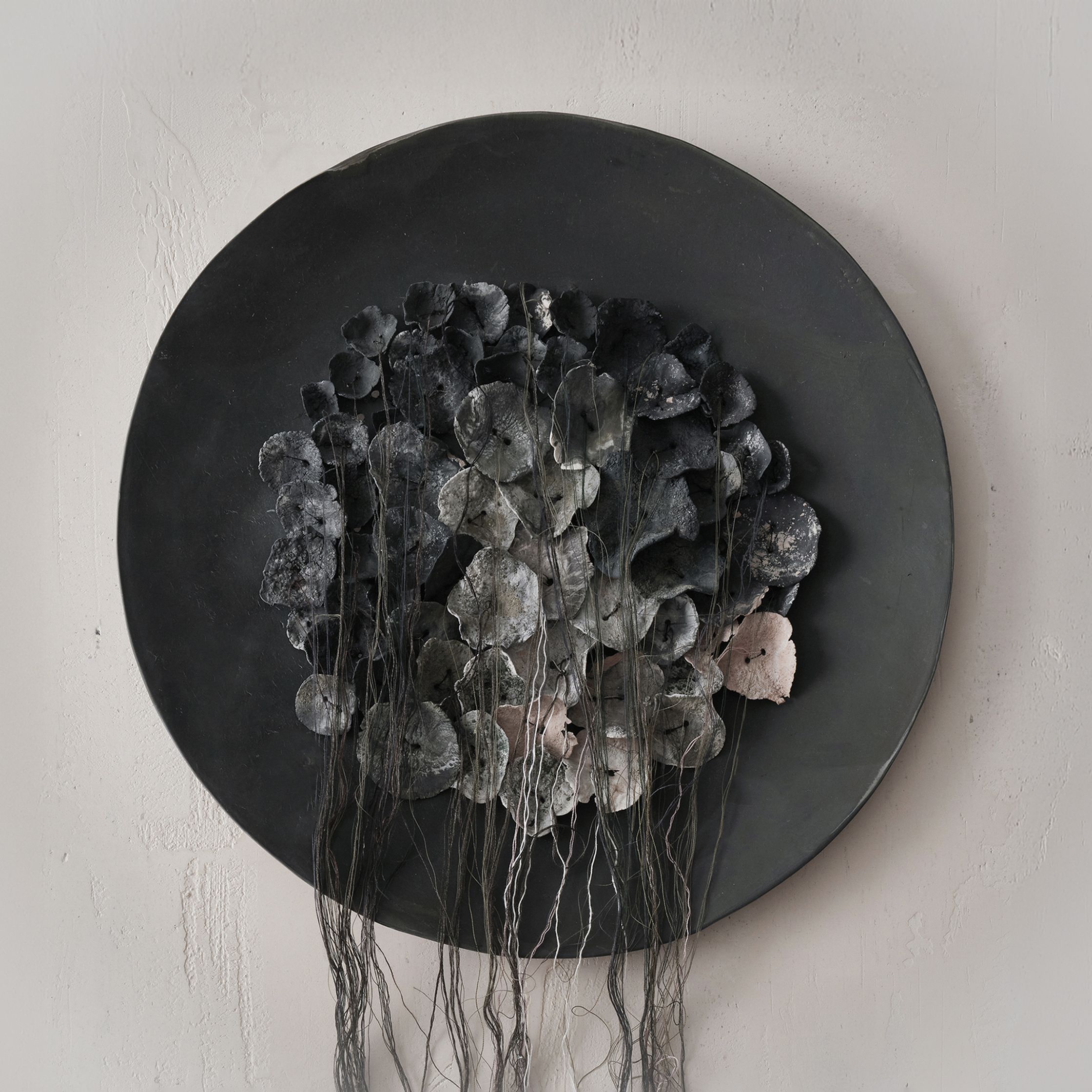
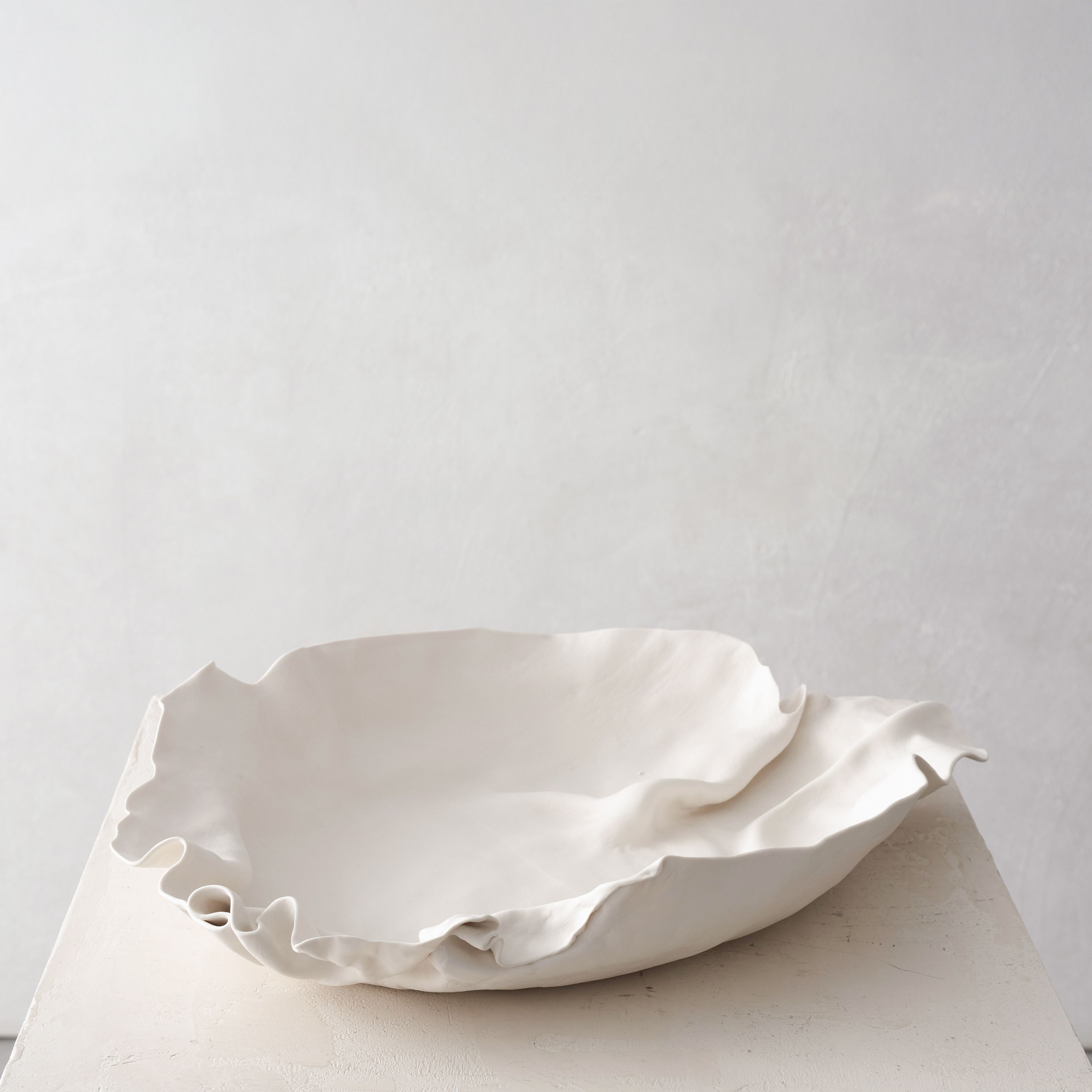
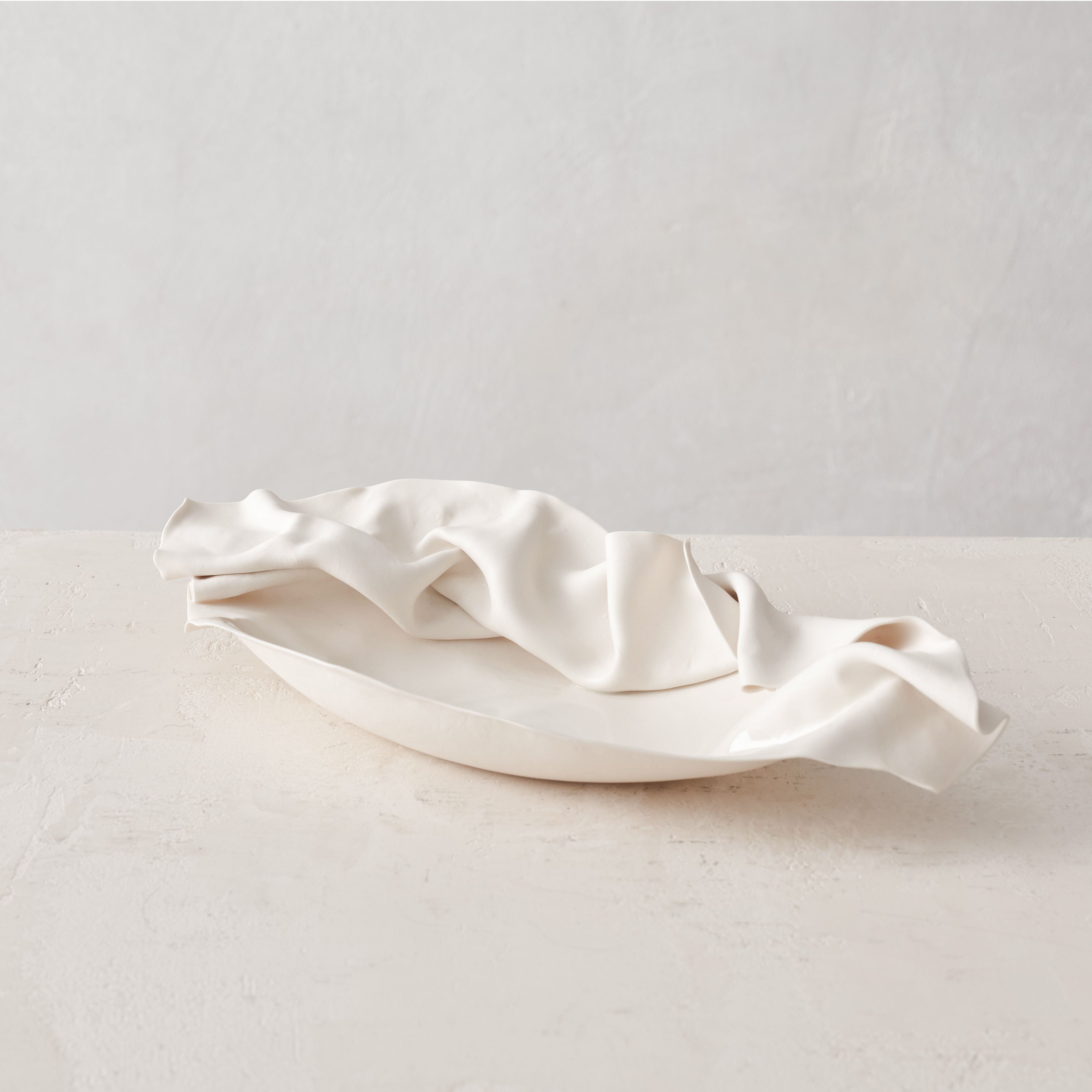
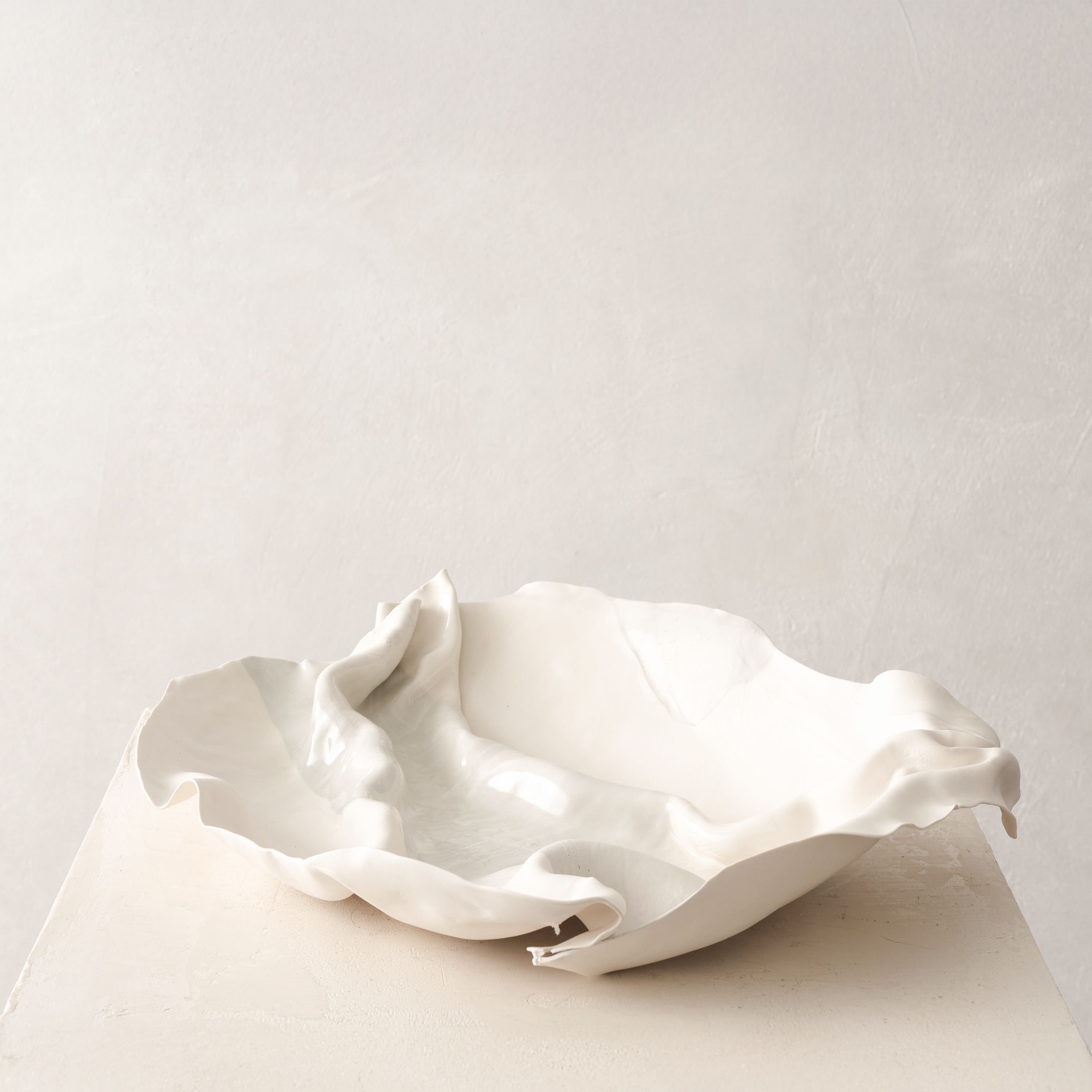
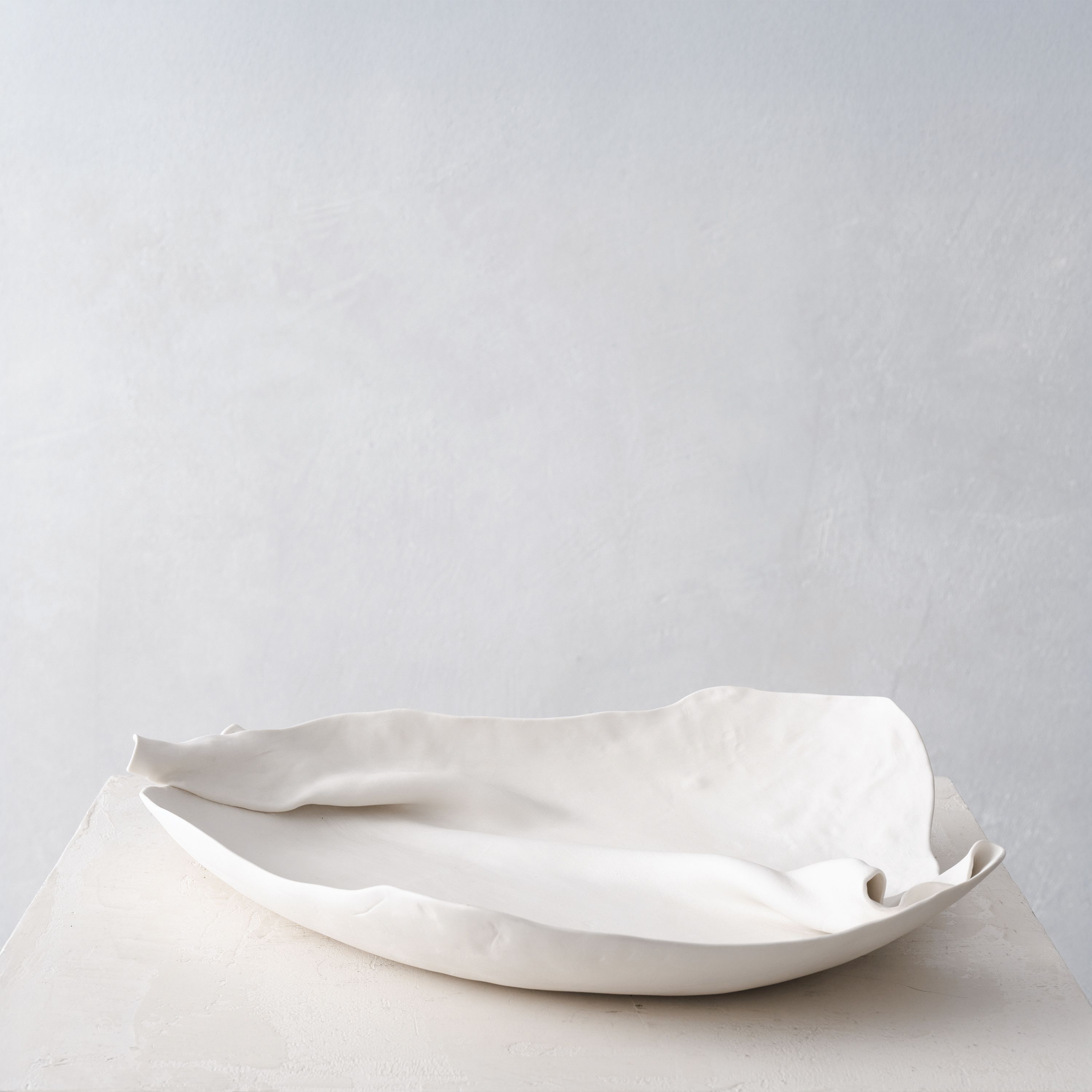
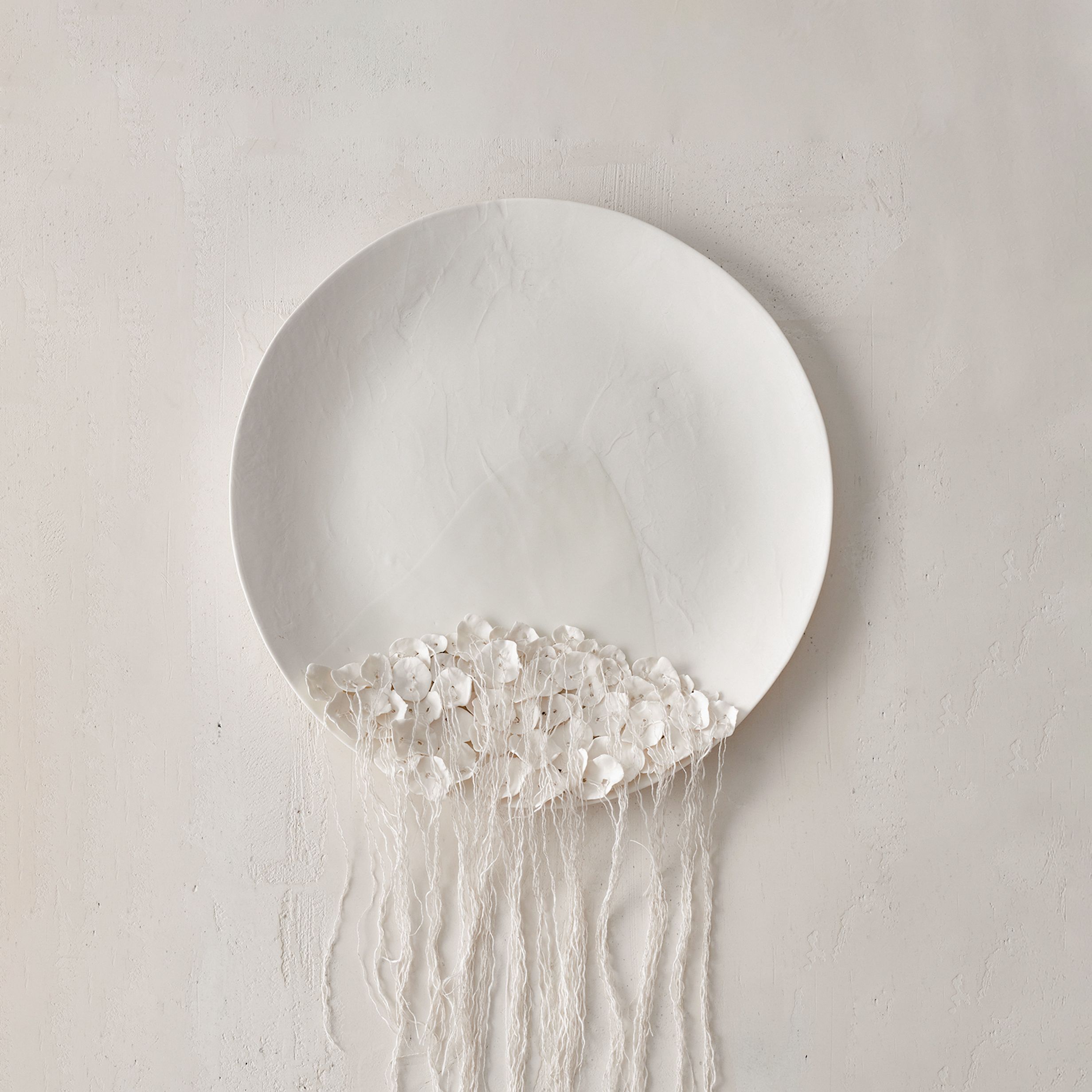
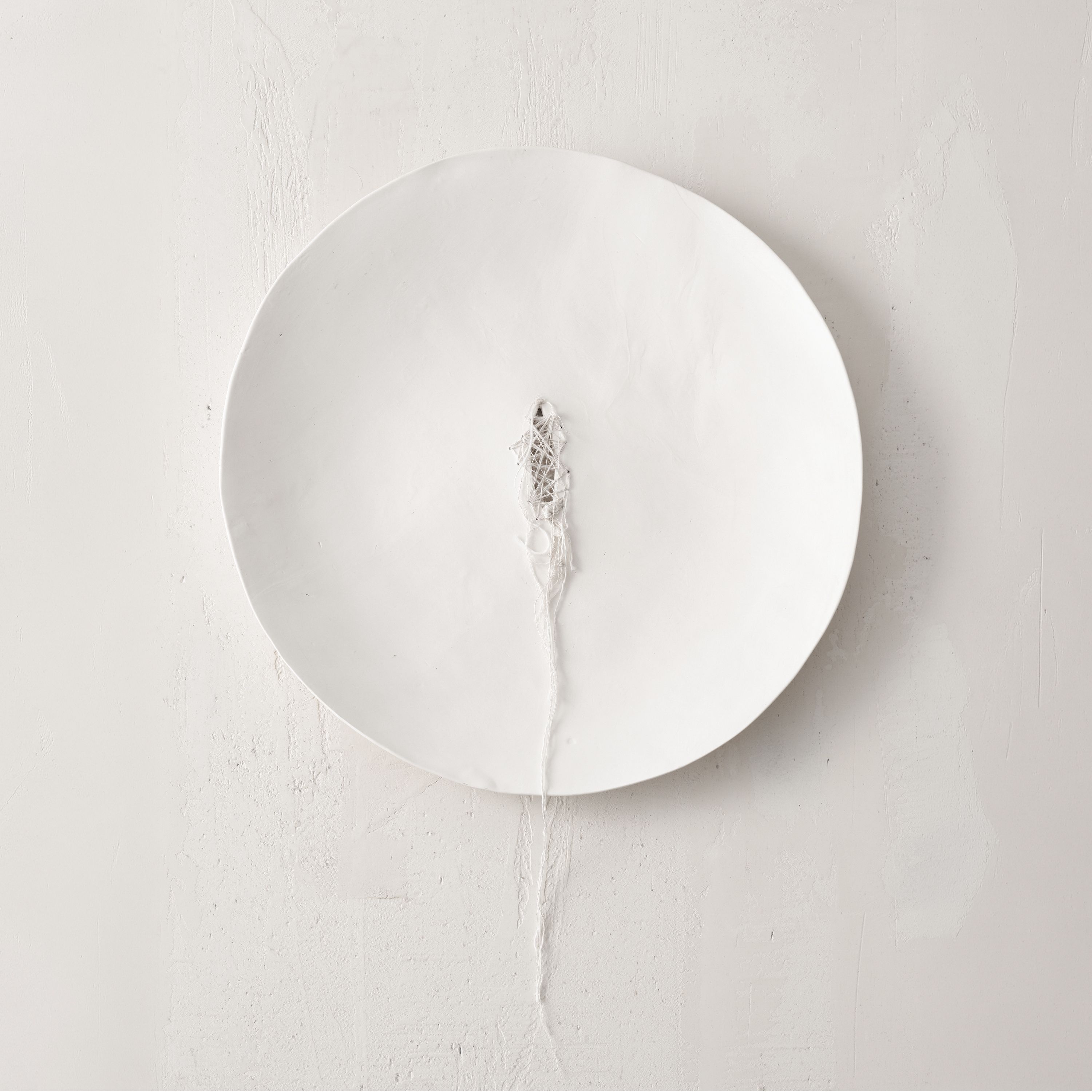
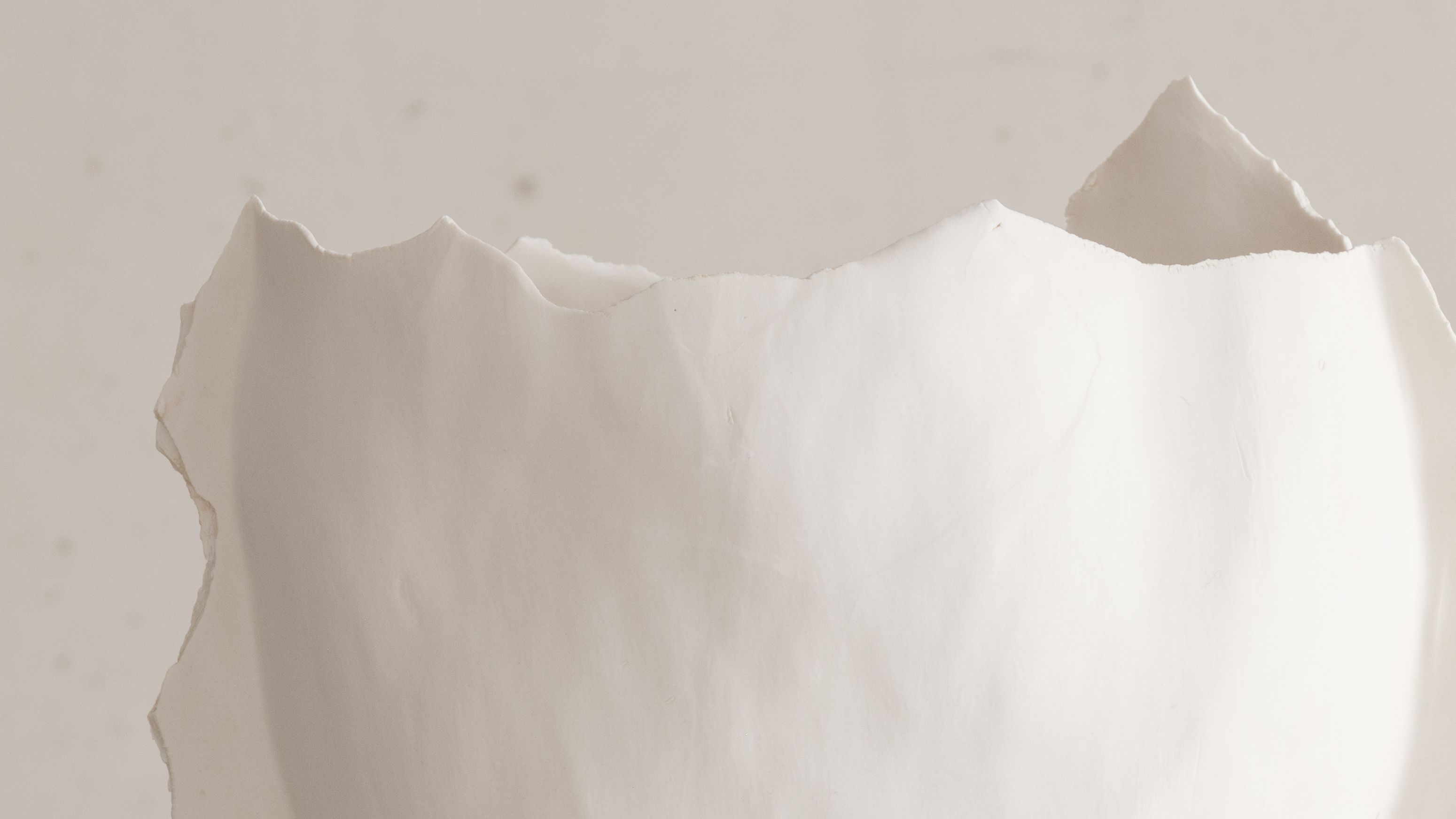
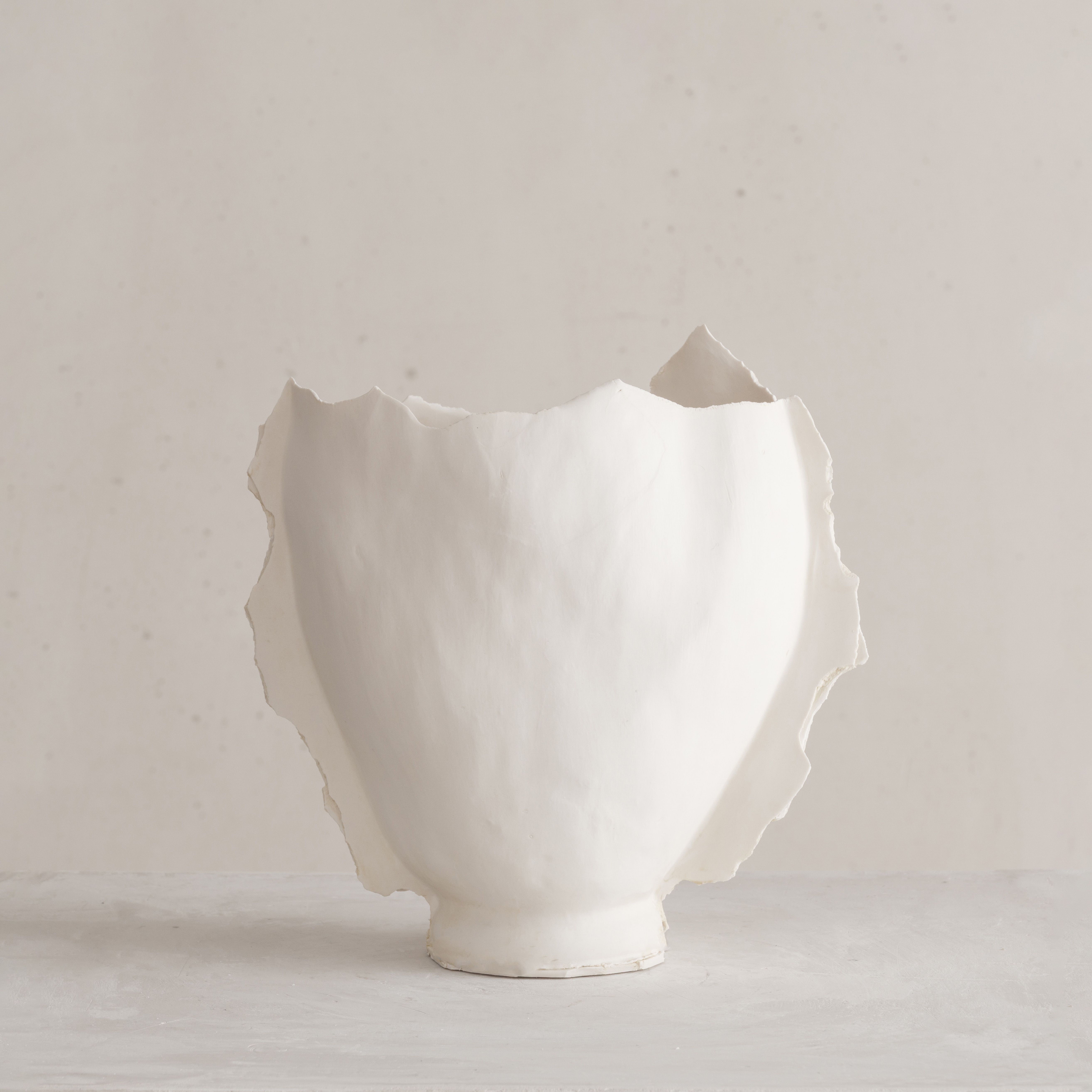
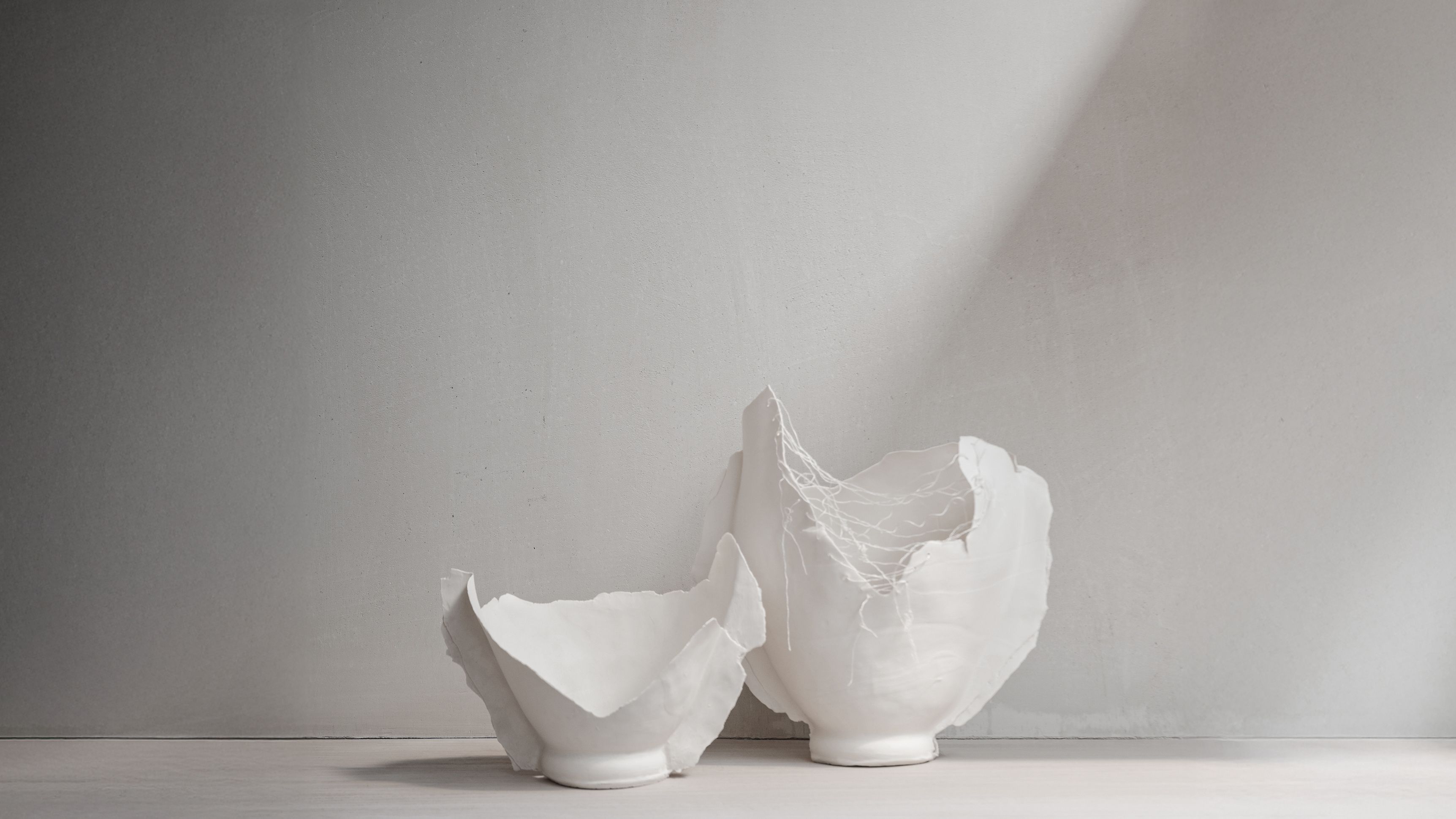
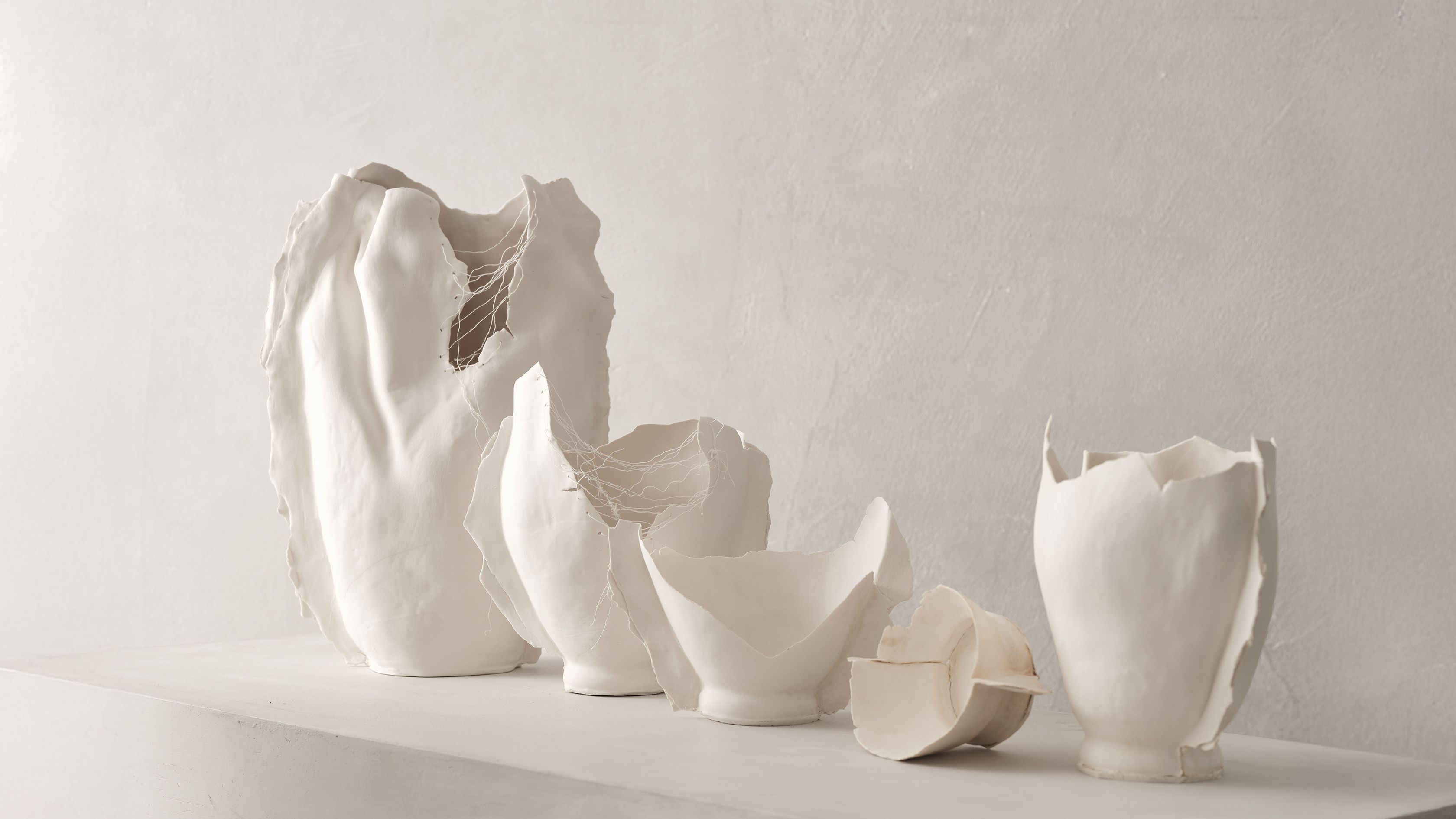
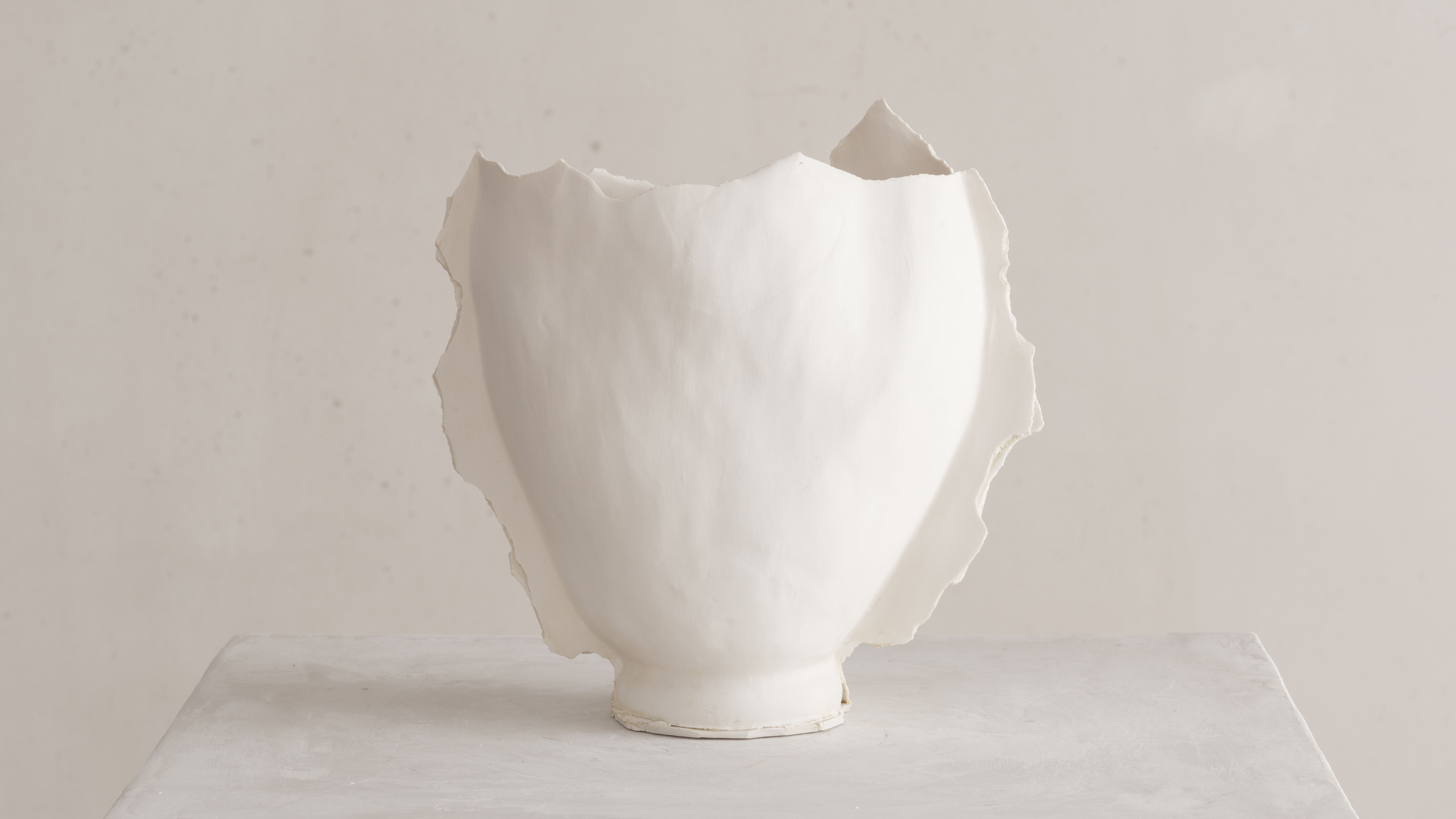
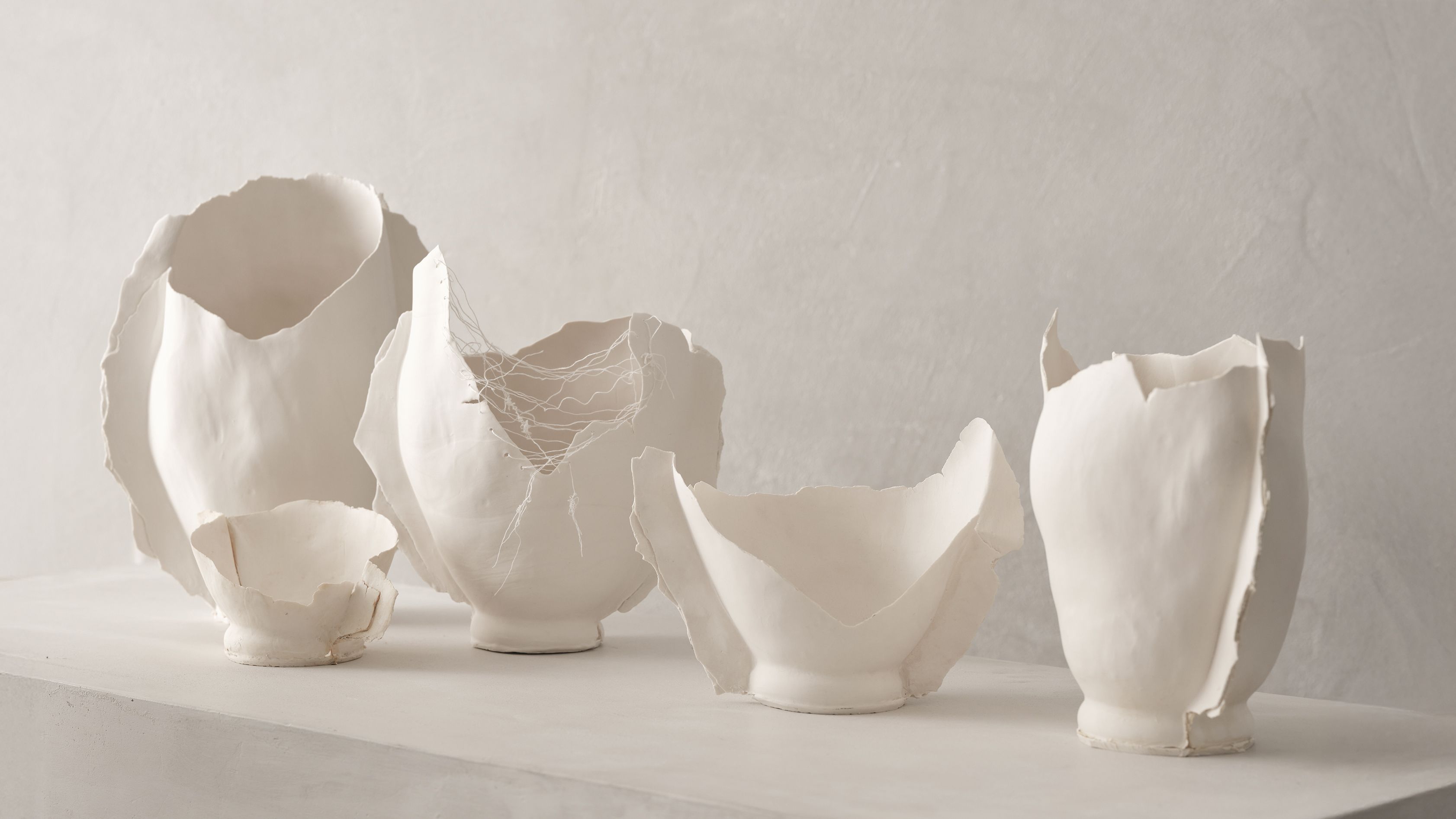
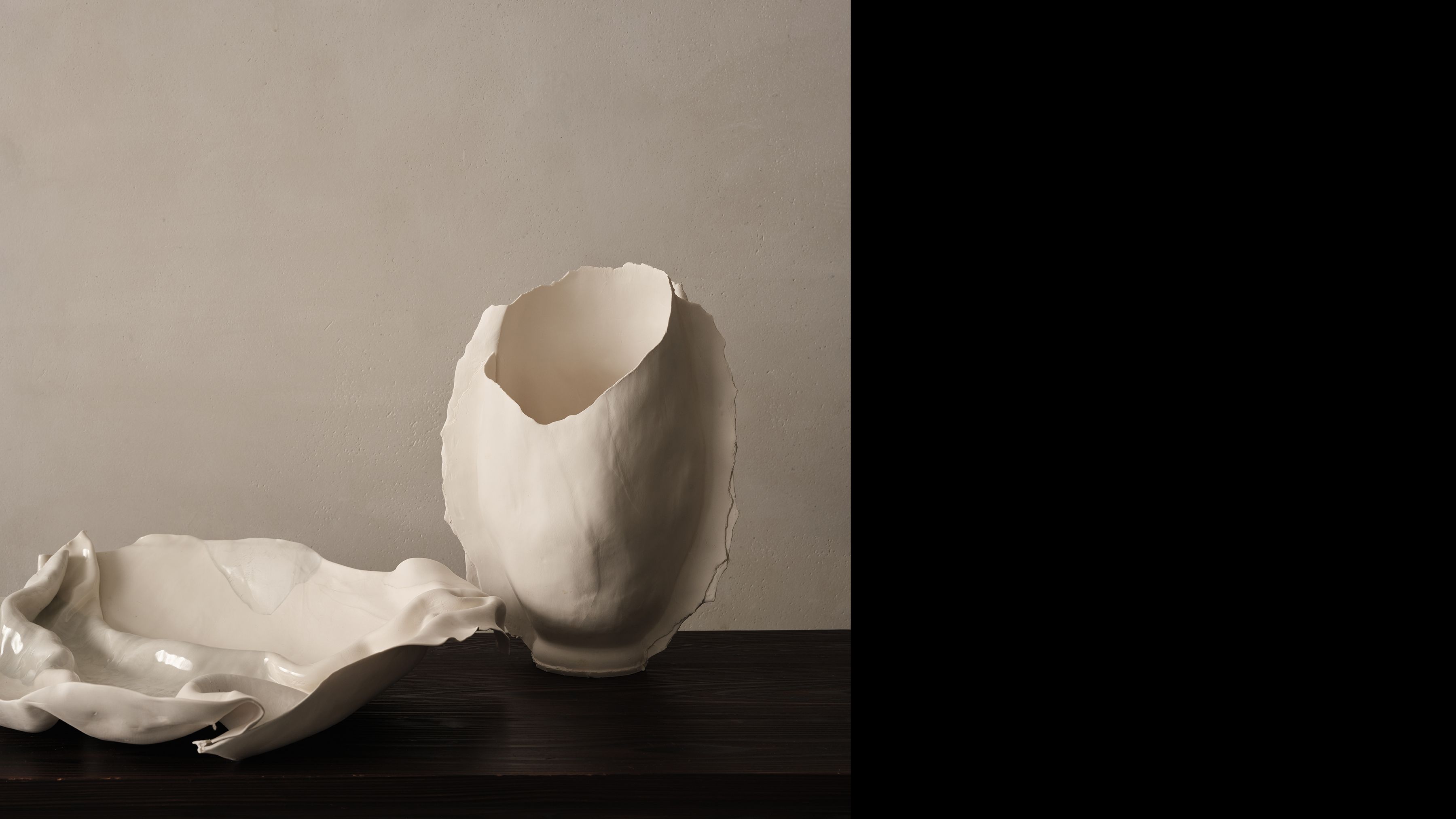
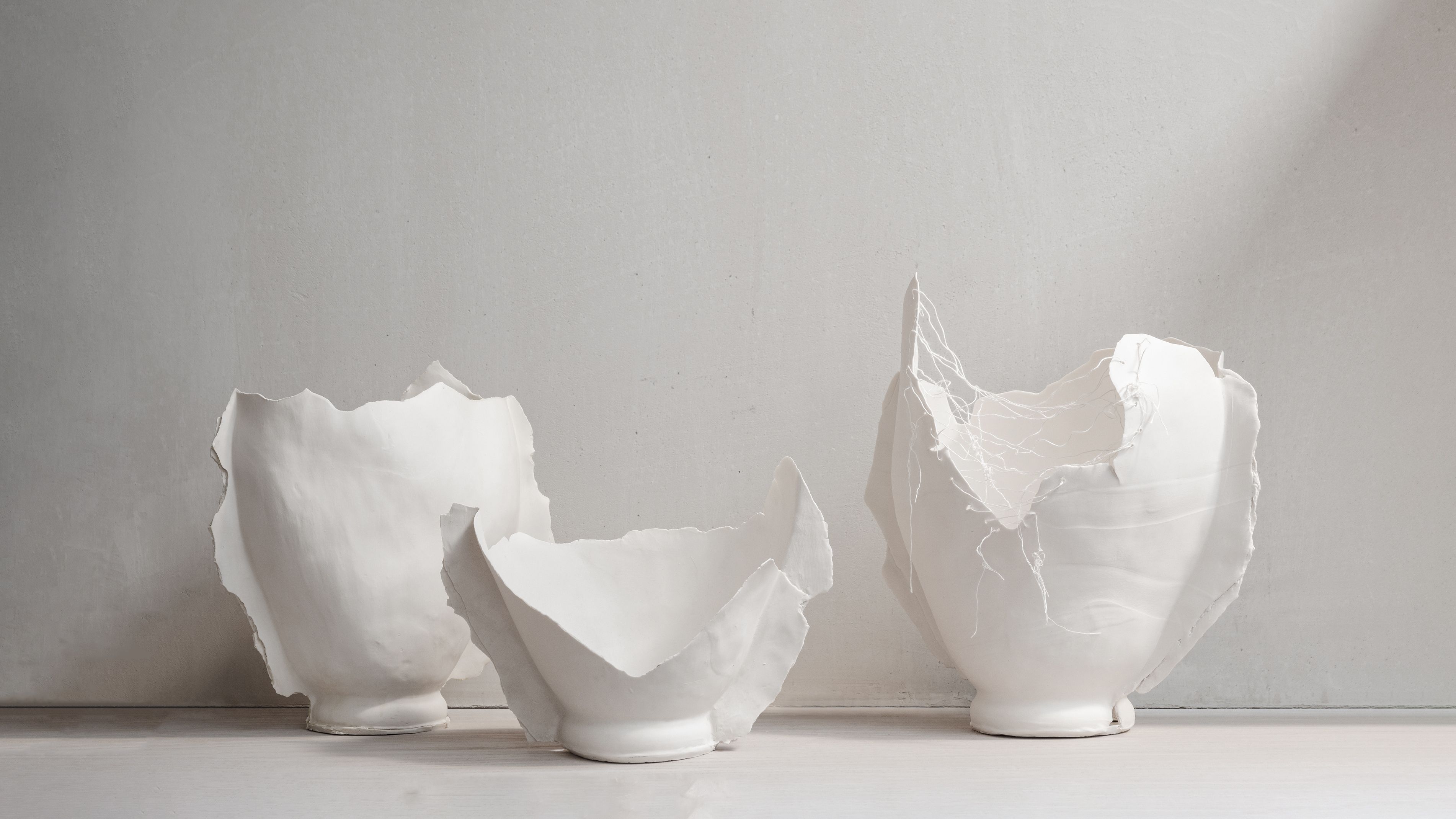
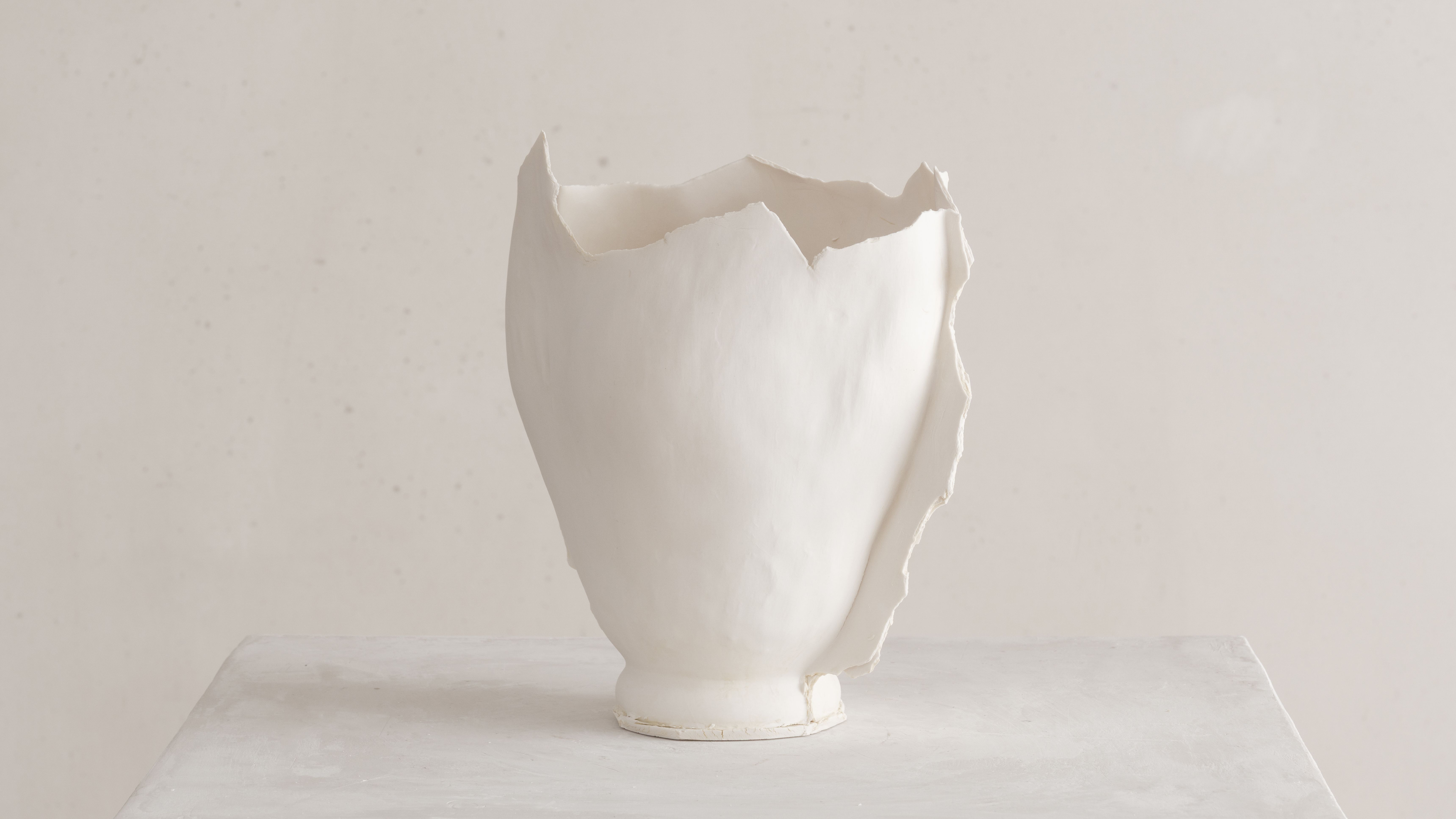
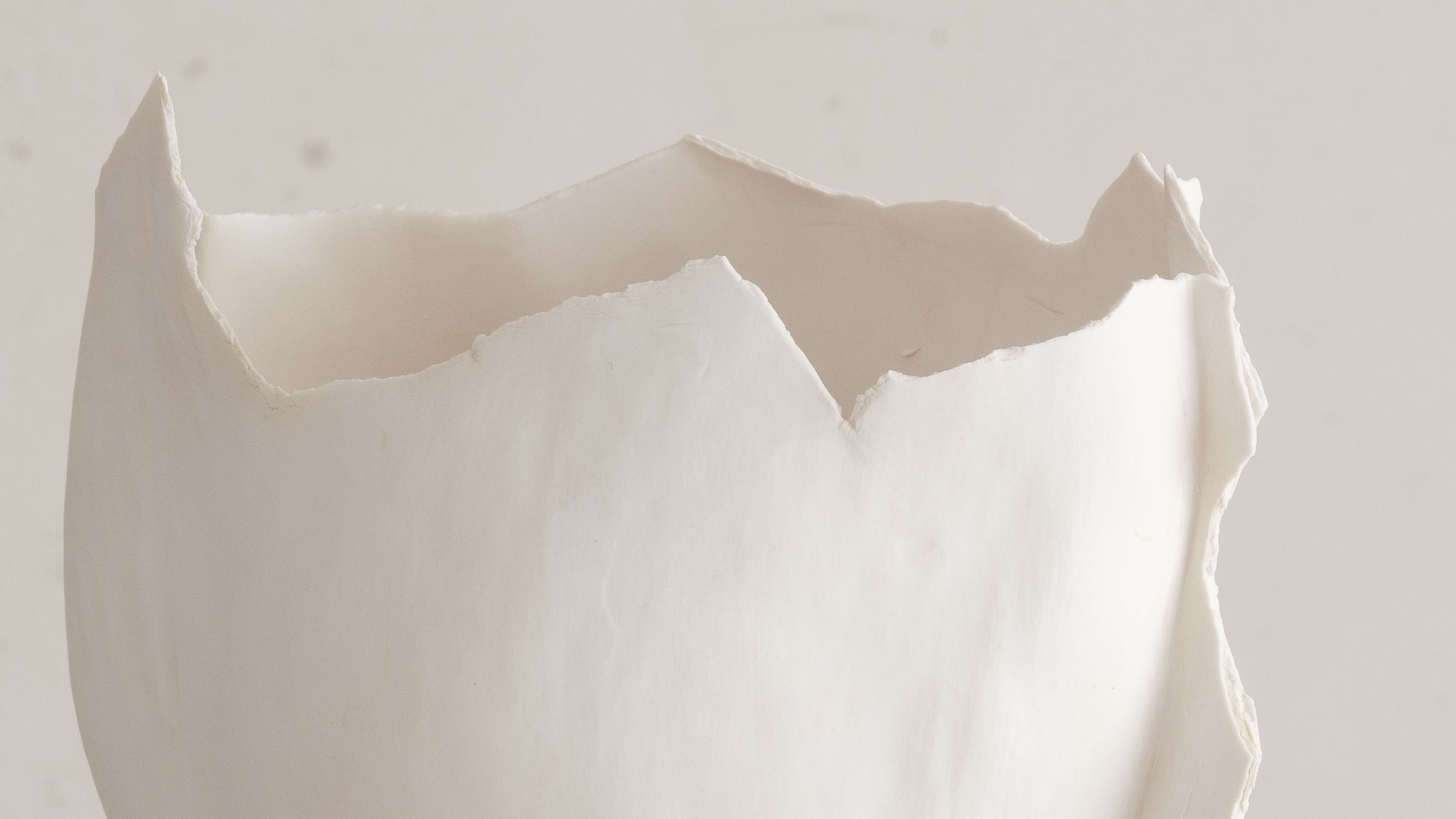
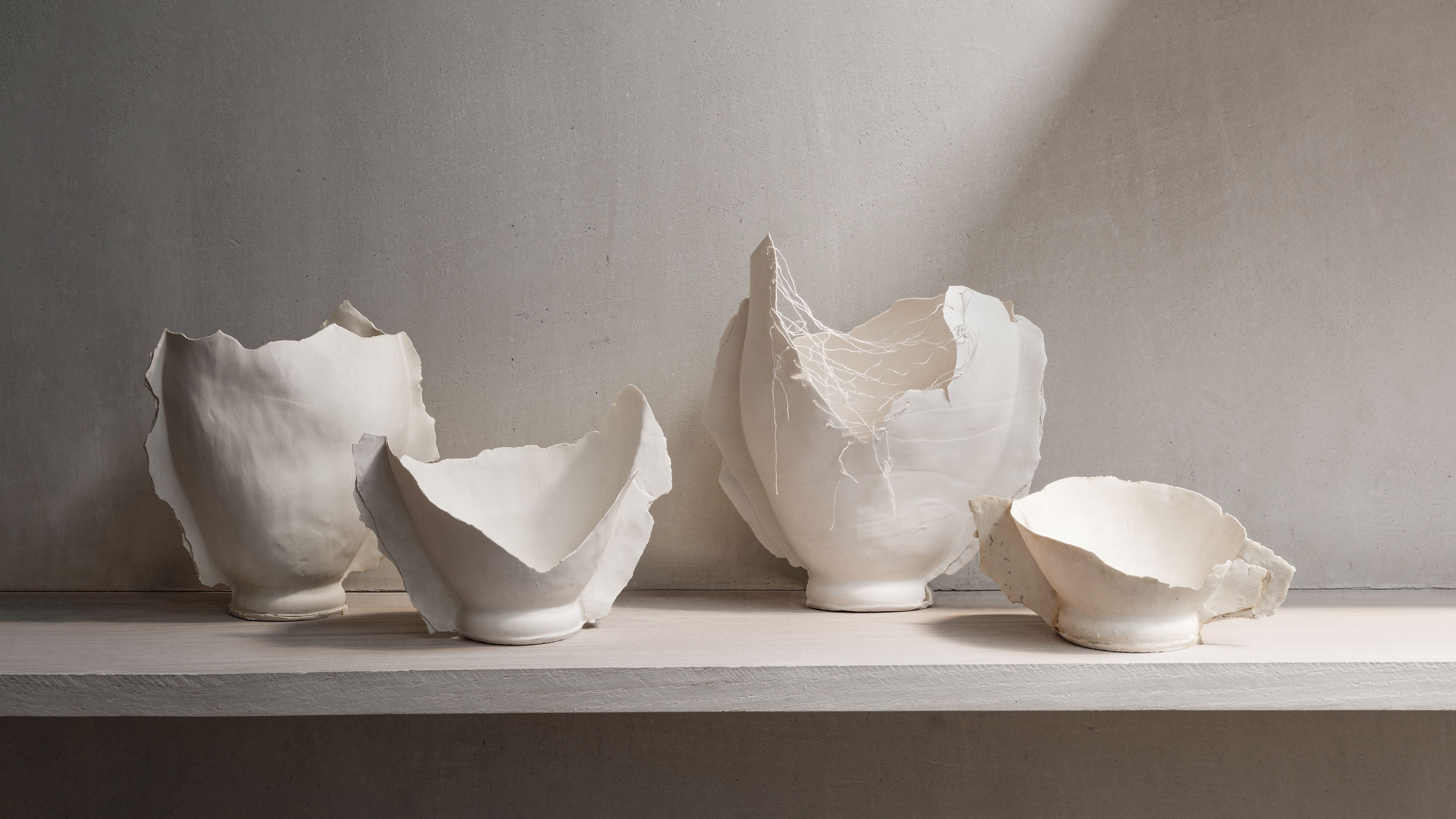
Fragility and impermanence stand at the core of Nesher’s work. Through cracks, cuts, and fragmented elements, her pieces embody a broken continuity — gestures toward fragmented memory and the quiet tensions of personal experience rendered in luminous white porcelain. She embraces the material’s inherent vulnerability, allowing surface cracking, fragmentation, and structural tension to become integral to each work’s character. In select pieces, elements are bound together with thread, emphasizing the delicate threshold between strength and fragility.
Iris Nesher
Iris Nesher
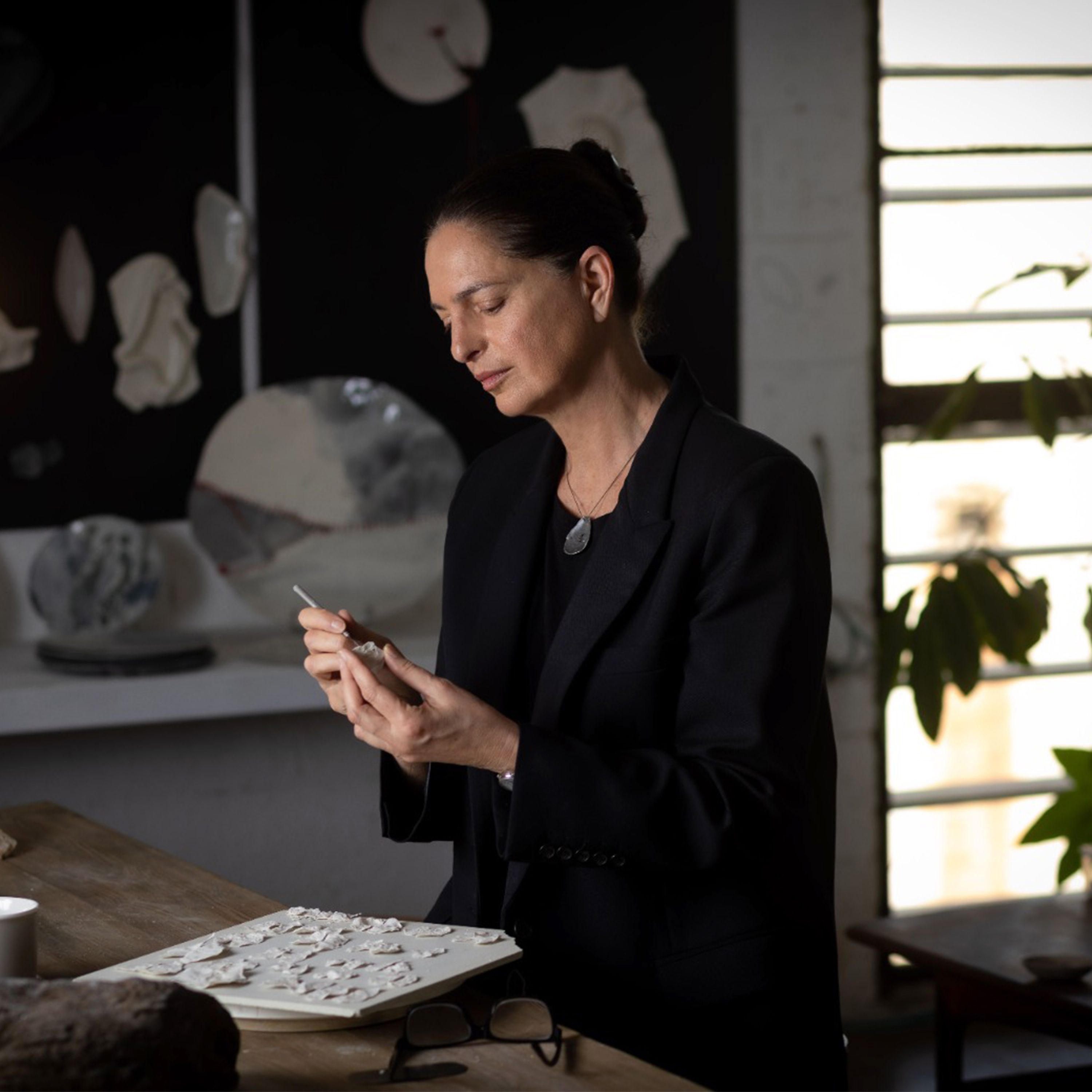
Born in Milan in 1966 and based in Tel Aviv, Nesher brings a multidisciplinary perspective to her ceramic practice, informed by a longstanding engagement with photography and earlier sculpture work. For over twenty years, she was widely recognized and exhibited for her fine-art photography, developing a visual language defined by thoughtful restraint and tonal subtlety — qualities that continue to infuse her work across media. Her transition to ceramics emerged unexpectedly through a photographic project involving expressive tableware, an encounter that prompted a fundamental shift from capturing and interpreting a subject or an emotion to molding and translating the emotion through the still-life composition itself.
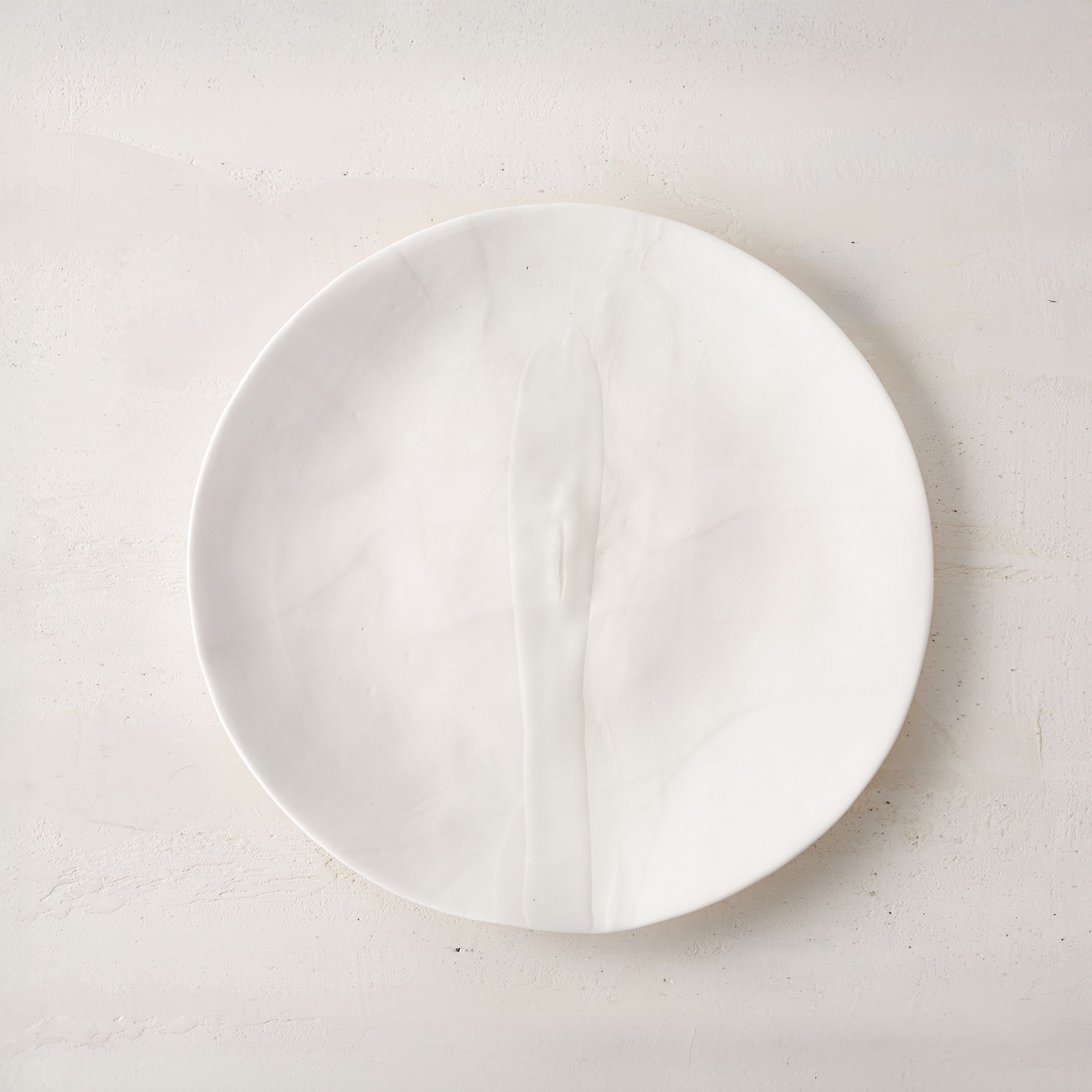
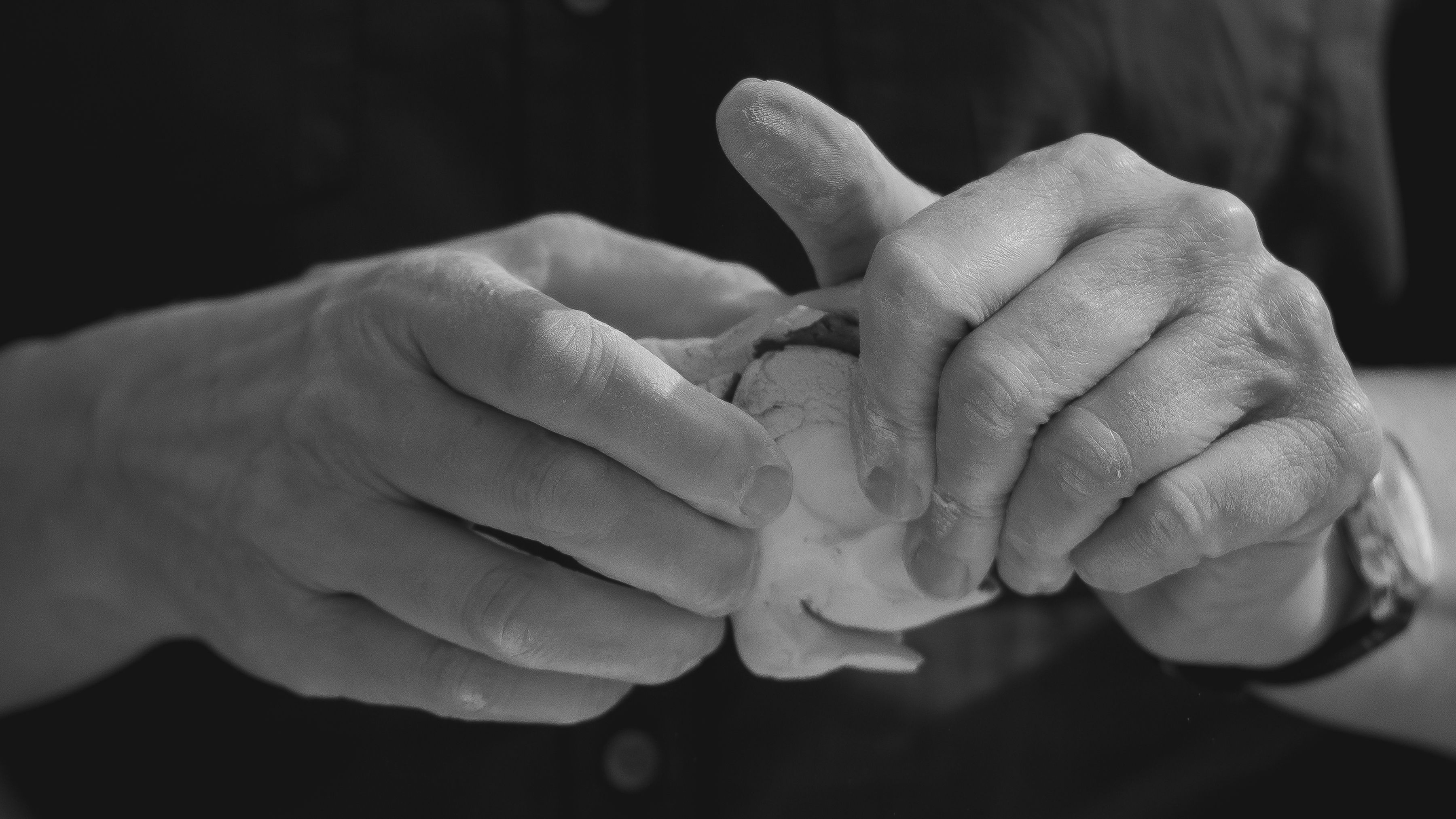
Drawing on her background in sculpture, Nesher began experimenting with various clays before discovering Limoges porcelain, a material with a distinguished history. First excavated in the French town of Limoges during the 18th-century golden age of European porcelain, this malleable clay has long been prized for its whiteness, purity, and strength. For Nesher, it provides an ideal medium for achieving both plasticity and delicacy, enabling the creation of her signature forms. Each piece is hand-shaped and unique, bearing subtle marks of touch and process while maintaining formal clarity.
Fragility and impermanence stand at the core of Nesher’s work. Through cracks, cuts, and fragmented elements, her pieces embody a broken continuity — gestures toward fragmented memory and the quiet tensions of personal experience rendered in luminous white porcelain. She embraces the material’s inherent vulnerability, allowing surface cracking, fragmentation, and structural tension to become integral to each work’s character. In select pieces, elements are bound together with thread, emphasizing the delicate threshold between strength and fragility.
Iris Nesher
Born in Milan in 1966 and based in Tel Aviv, Nesher brings a multidisciplinary perspective to her ceramic practice, informed by a longstanding engagement with photography and earlier sculpture work. For over twenty years, she was widely recognized and exhibited for her fine-art photography, developing a visual language defined by thoughtful restraint and tonal subtlety — qualities that continue to infuse her work across media. Her transition to ceramics emerged unexpectedly through a photographic project involving expressive tableware, an encounter that prompted a fundamental shift from capturing and interpreting a subject or an emotion to molding and translating the emotion through the still-life composition itself.
Drawing on her background in sculpture, Nesher began experimenting with various clays before discovering Limoges porcelain, a material with a distinguished history. First excavated in the French town of Limoges during the 18th-century golden age of European porcelain, this malleable clay has long been prized for its whiteness, purity, and strength. For Nesher, it provides an ideal medium for achieving both plasticity and delicacy, enabling the creation of her signature forms. Each piece is hand-shaped and unique, bearing subtle marks of touch and process while maintaining formal clarity.
Fragility and impermanence stand at the core of Nesher’s work. Through cracks, cuts, and fragmented elements, her pieces embody a broken continuity — gestures toward fragmented memory and the quiet tensions of personal experience rendered in luminous white porcelain. She embraces the material’s inherent vulnerability, allowing surface cracking, fragmentation, and structural tension to become integral to each work’s character. In select pieces, elements are bound together with thread, emphasizing the delicate threshold between strength and fragility.